


Maitland Ward: From Sitcom Stardom to Industry Critic — A Story of Reinvention
A Hollywood Journey That Defied Expectations
Maitland Ward’s career trajectory stands as one of the most unconventional in modern entertainment. Once widely recognized as Rachel McGuire on the beloved sitcom Boy Meets World, Ward has since transformed her public identity—first stepping away from mainstream acting and later emerging as a prominent figure in the adult entertainment space.
But beyond the headlines and career pivots lies a deeper narrative—one that challenges long-standing perceptions of Hollywood, especially regarding how young actors are treated within the industry.
In recent interviews and her appearance on Investigation Discovery’s Hollywood Demons, Ward has revisited her early years in television, offering a candid and often critical perspective on the system that shaped her career.
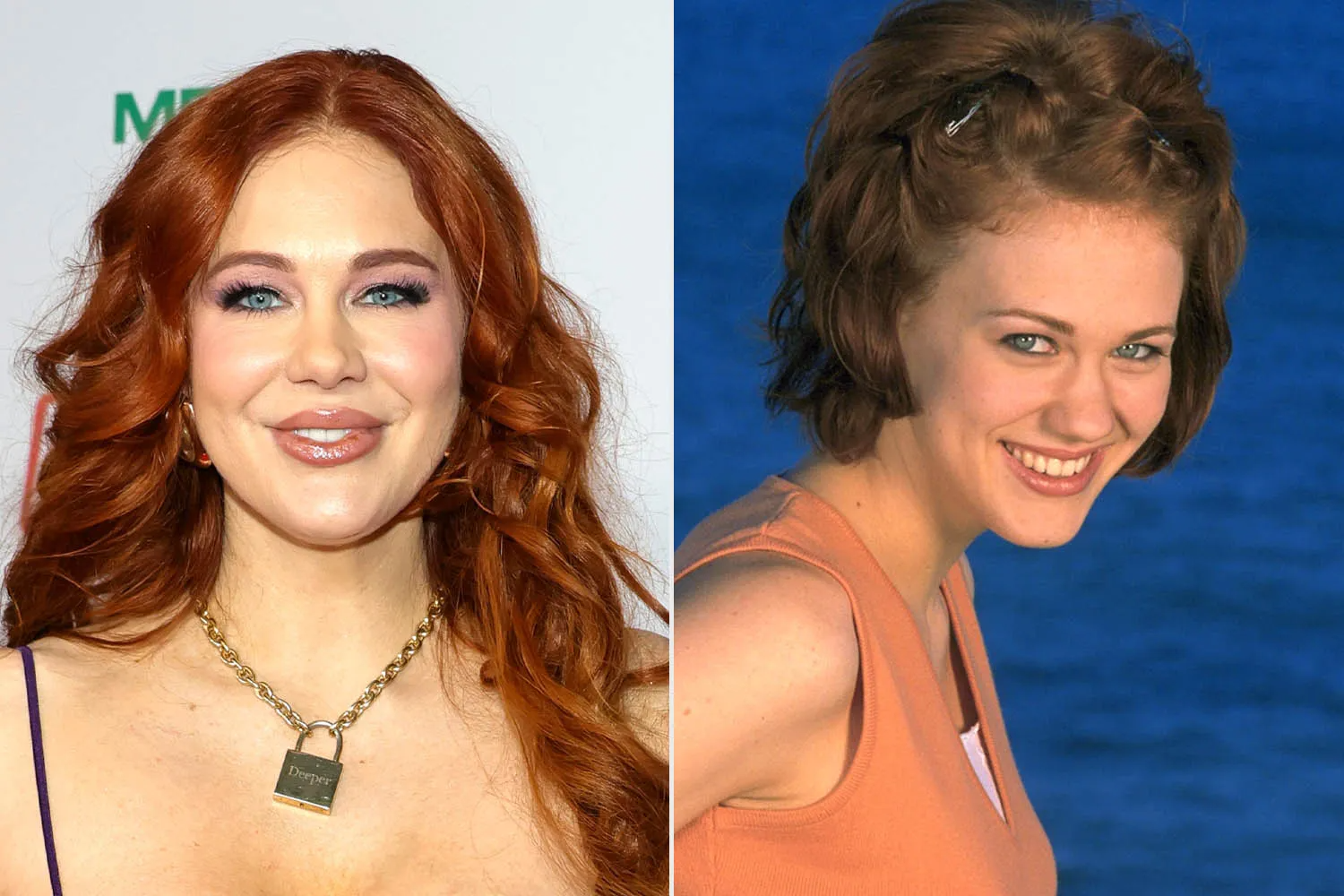
Early Fame and the “Hollywood Machine”
Ward’s rise to prominence began in the 1990s, first with her role as Jessica Forrester in The Bold and the Beautiful (1994–1996), followed by her breakout performance in Boy Meets World from 1998 to 2000.
During this period, she was in her early twenties—roughly between 21 and 23 years old—navigating an industry that, in her words, operated less like a creative space and more like a controlled production system.
Reflecting on that era, Ward described Hollywood as a place where young performers were not always seen as individuals, but as assets to be shaped and marketed.
“Back then, I think they looked at these young actors as property coming in… they wanted to mold and form these young actors into what they wanted them to be.”
This sentiment echoes a broader critique of the entertainment industry during the late 20th century, when studios often exerted tight control over actors’ images, roles, and public personas.
Life Inside a “Factory-Like” System
Ward’s description of her experience paints a vivid picture of a highly structured and commercialized environment.
She characterized Hollywood as:
- A “factory kind of environment”
- A place where actors felt like “a product being sold”
According to Ward, the system prioritized marketability over individuality. Young actors were expected to conform to predetermined standards—whether in appearance, behavior, or career direction.
This pressure often extended beyond professional expectations into personal identity.
“I mean, it felt ill at ease in my own body… I have to be professional. I have to be part of that Hollywood machine.”
Such remarks highlight the psychological toll that rigid industry structures can impose, particularly on young performers still developing their sense of self.
The Pressure of Image and the “Male Gaze”
Ward also drew attention to the gendered dynamics within Hollywood, especially the conflicting expectations placed on female performers.
She pointed to examples like Britney Spears to illustrate the contradiction:
“She had to go on TV and swear up and down she was a virgin, but she was being used provocatively for her body and her sexual image… all for this like twisted male gaze.”
This observation underscores a longstanding critique of the entertainment industry—the simultaneous demand for innocence and sexualization, particularly for young women.
Ward’s reflections suggest that these pressures were not isolated incidents but part of a broader cultural pattern embedded in Hollywood’s production and marketing strategies.
Financial Realities: Then vs. Now
One of the most striking aspects of Ward’s story is the contrast between her earnings in traditional television and her current income model.
During her time on Boy Meets World, she reportedly earned:
- $20,000 to $25,000 per episode
While respectable, this income came with significant uncertainty. Television roles are often temporary, and actors can be replaced or written off at any time.
“You don’t have all the guarantees out there.”
In contrast, Ward revealed that her current work—particularly through platforms like OnlyFans—generates:
- Six-figure monthly earnings
This shift reflects a broader transformation in the entertainment economy, where digital platforms allow performers to monetize their content directly and maintain greater control over their careers.
Reinvention and Control in the Digital Era
Ward’s transition in 2019 into adult content marked a turning point—not just professionally, but philosophically.
Unlike traditional Hollywood, where studios and executives often dictate direction, digital platforms have enabled her to:
- Build her own brand
- Control her image and content
- Achieve financial independence
For Ward, this autonomy appears to be a defining advantage—one that contrasts sharply with the lack of control she experienced earlier in her career.
Revisiting the Past Through Hollywood Demons
Ward’s recent appearance in Hollywood Demons: Child Stars Gone Wild, which premiered its second season on April 20, provides a platform for revisiting these experiences in a broader context.
The series explores the “dark realities behind fame,” focusing on the systemic challenges faced by young actors in the entertainment industry.
By participating, Ward joins a growing number of former child stars who are re-examining their early careers and speaking openly about industry practices.
A Broader Industry Conversation
Ward’s reflections resonate beyond her personal story. They contribute to an ongoing conversation about:
- The treatment of child and young actors
- The balance between artistic expression and commercial demands
- The psychological impact of early fame
- The evolving power dynamics between performers and studios
Her perspective raises a critical question:
Are young actors being nurtured as creative individuals—or shaped as products for profit?
Conclusion: A Story of Transformation and Reflection
Maitland Ward’s journey—from sitcom star to outspoken critic of Hollywood’s inner workings—offers a compelling lens through which to examine the entertainment industry.
Her candid reflections reveal a system that, at least during her early career, prioritized control, image, and profitability over personal autonomy. At the same time, her later success illustrates how emerging platforms are reshaping opportunities for performers.
Ultimately, Ward’s story is not just about one actress’s evolution—it is about the shifting landscape of fame, power, and identity in modern entertainment.


