Introduction: A Year Defined by Scale, Variety, and Innovation
The global film industry in 2026 is experiencing a dynamic phase shaped by blockbuster sequels, bold original storytelling, and the growing influence of streaming platforms. From highly anticipated theatrical releases like The Devil Wears Prada 2 and Mortal Kombat II to experimental formats such as 3D concert films, cinema is evolving in both form and content.
This analytical feature explores the latest movies dominating headlines, the trends shaping production and distribution, and what audiences can expect in the months ahead.
Blockbusters and Sequels Dominate the Spotlight
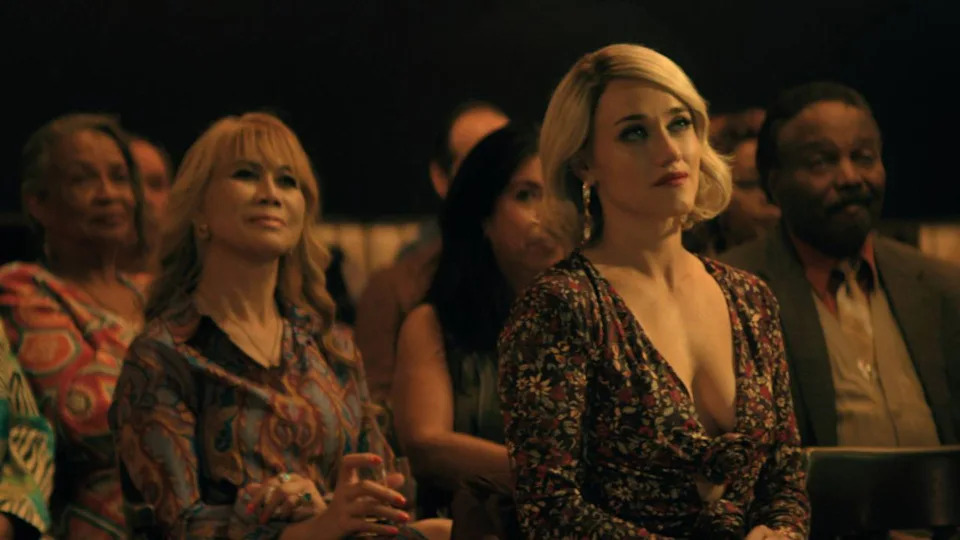
One of the defining characteristics of the latest movie landscape is the overwhelming presence of sequels and franchise expansions. Among the most anticipated releases of May 2026, The Devil Wears Prada 2 leads the conversation with the highest audience engagement, achieving an attention scale of 100% and over 1.3 billion attention signals.
Other major titles generating significant buzz include:
- The Mandalorian & Grogu – a return to the Star Wars cinematic universe
- Mortal Kombat II – continuing the video game adaptation trend
- Backrooms – a sci-fi horror project capturing online attention
These films reflect a broader industry strategy: leveraging established intellectual property to guarantee audience interest and box office performance.
Meanwhile, box office performance confirms this trend. The film Michael has already achieved major commercial success, earning £8.4 million in its UK-Ireland opening weekend and $219 million globally, demonstrating the enduring power of biographical and franchise-driven cinema.
A Packed Release Calendar: Something for Every Audience
The 2026 release schedule is notably dense, offering a wide spectrum of genres and formats. From May onward, audiences can expect a steady flow of high-profile titles:
Key Upcoming Releases
- The Devil Wears Prada 2 (May 1)
- Mortal Kombat II (May 8)
- The Mandalorian & Grogu (May 22)
- Backrooms (May 29)
- Masters of the Universe (June 5)
- Toy Story 5 (June 19)
- Spider-Man: Brand New Day (July 31)
- Avengers: Doomsday and Dune: Part Three (December 18)
This calendar highlights the industry’s reliance on tentpole releases spread across the year, ensuring sustained audience engagement and revenue streams.
The Rise of Streaming: Netflix Leads the Charge
While theaters remain crucial, streaming platforms continue to reshape viewing habits. Netflix’s May 2026 lineup demonstrates the platform’s aggressive content strategy.
The standout release is The Boroughs, a supernatural thriller from the creators of Stranger Things, featuring a star-studded cast including Bill Pullman and Geena Davis.
Other notable streaming additions include:
- Black Phone 2
- Ferrari
- Gabby’s Dollhouse: The Movie
- A wide catalog of classic films like Pretty Woman and Schindler’s List
Streaming platforms are not just competing with cinemas—they are redefining release strategies, often combining original productions with licensed classics to retain subscribers.
Genre Trends: Horror, Thrillers, and Psychological Depth
Another defining feature of recent films is the evolution of genre storytelling. Modern thrillers, for example, have shifted away from simple action-driven narratives toward complex psychological explorations.
Films like Parasite, The Invisible Man, and Uncut Gems illustrate how contemporary cinema blends tension with social commentary, focusing on themes such as inequality, trauma, and moral ambiguity.
At the same time, horror continues to thrive, with multiple new releases hitting digital platforms in April 2026 alone, including:
- They Will Kill You
- Forbidden Fruits
- Didn’t Die
The genre’s popularity reflects audience appetite for immersive, high-stakes storytelling—often amplified by social media discussions and viral marketing.
Innovation in Filmmaking: Technology Meets Performance
Beyond content, technological innovation is reshaping how films are produced and experienced. A notable example is Billie Eilish’s upcoming 3D concert film, created in collaboration with director James Cameron.
The project uses advanced miniature 3D cameras to capture performances in unprecedented detail, offering audiences a perspective that goes beyond traditional concert experiences.
Cameron emphasized the immersive nature of the format, noting that it allows viewers to experience moments “you can’t possibly be” in real life, while also showcasing behind-the-scenes preparation.
This signals a broader trend: films are increasingly blending cinematic storytelling with experiential technology, particularly in music, documentaries, and hybrid genres.
Diverse Storytelling: From Indie Films to Global Narratives
Alongside major studio releases, smaller and international films continue to enrich the cinematic landscape. Titles such as:
- The Blue Trail – a dystopian Brazilian drama
- Casa Grande – a family-centered narrative
- Deep Water – a survival thriller
offer alternative perspectives and storytelling styles.
This diversity ensures that the film industry remains culturally relevant, catering to both mainstream audiences and niche markets.
Industry Implications: What This Means for the Future
Several key implications emerge from the current movie landscape:
1. Franchise Dominance Will Continue
Studios are doubling down on sequels and established brands to minimize financial risk.
2. Streaming Will Expand Further
Platforms like Netflix are investing heavily in original content and exclusive releases.
3. Technology Will Enhance Storytelling
Innovations such as 3D filming and immersive formats will become more common.
4. Audience Preferences Are Evolving
Viewers increasingly favor complex narratives and genre-blending storytelling.
Conclusion: A Transformative Era for Cinema
The latest movies of 2026 reflect an industry in transition—balancing commercial imperatives with creative experimentation. From blockbuster sequels and streaming exclusives to innovative filmmaking techniques and diverse storytelling, cinema is evolving rapidly.
As audiences demand more immersive and meaningful experiences, the line between traditional filmmaking and new media continues to blur. The result is a richer, more varied cinematic landscape that promises to redefine entertainment in the years ahead.


