


Kel’el Ware: The Rising Interior Force Shaping Miami Heat’s Future
A Breakout Moment in a Season-Defining Game
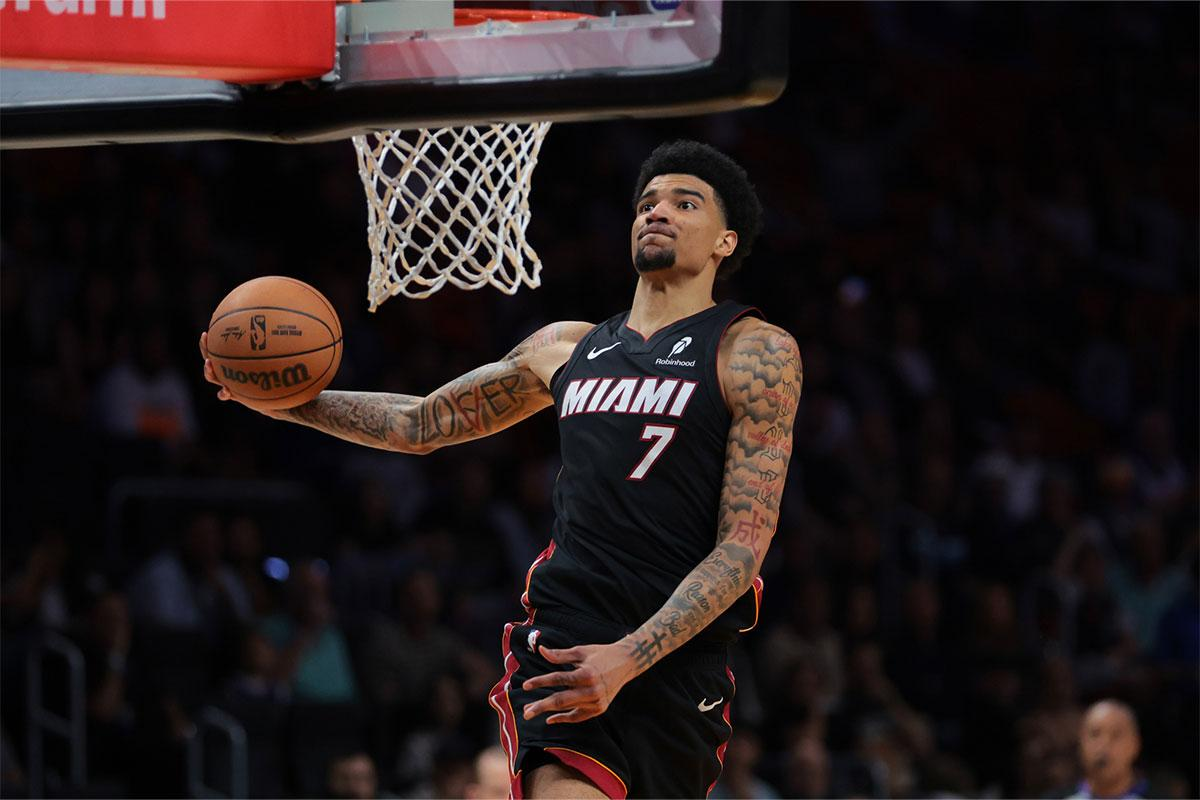
In a game decided by the smallest of margins, Kel’el Ware delivered a performance that quietly underscored his growing importance to the Miami Heat.
The Heat’s 127–126 overtime loss to the Charlotte Hornets in the NBA Play-In Tournament brought their season to an abrupt end. But within that narrow defeat, Ware’s individual display stood out—not just statistically, but structurally, as a glimpse into Miami’s evolving identity.
He finished the game with 12 points, 19 rebounds, four assists, and five blocks, anchoring the interior on both ends of the floor. These are not incidental numbers; they reflect a player operating at high defensive and rebounding efficiency in a high-pressure environment.
The Game Within the Game: Why Ware’s Presence Mattered
The contest itself swung repeatedly before settling into overtime, where execution became decisive. LaMelo Ball ultimately scored the winning layup, sealing Charlotte’s progression and ending Miami’s postseason hopes.
However, postgame analysis centered on something more nuanced: positional decisions in the final moments.
Former Heat veteran Udonis Haslem highlighted a specific tactical omission:
“One thing I would have liked to see on that last play I would have liked to see Kel’el [Ware] in the game, maybe if you put him on the ball, that in-bounder, to distort that inbound pass, make it a tougher pass, That was the one thing I would nitpick,” Haslem said.
This observation reveals the strategic value Ware brings. His length, mobility, and defensive instincts could have disrupted a critical inbound play—potentially altering the outcome of a one-possession game.
Size, Structure, and the Cost of Absence
Late in the game, Miami shifted to a smaller lineup. This decision became a focal point of analysis, especially after Bam Adebayo was unavailable during crucial moments due to injury.
The consequence was immediate: a lack of interior presence.
Another perspective emphasized this structural gap:
“Kel’el was out, and they went to a small line-up, how many times have we seen a big tip in, especially with five seconds left?”
In high-leverage situations, especially in playoff contexts, size is not merely a physical attribute—it is a tactical asset. Ware’s absence from that final sequence exposed a vulnerability that Charlotte exploited effectively.
Performance Under Pressure: Ware Steps Into a Larger Role
Ware’s stat line was not inflated by circumstance; it was driven by necessity. With Adebayo sidelined during portions of the game, Ware assumed the role of primary interior anchor.
His contributions included:
- Dominance on the glass (game-leading 19 rebounds)
- Rim protection (five blocks)
- Offensive efficiency in limited touches
- Playmaking support (four assists)
These metrics indicate a player capable of influencing multiple phases of the game simultaneously—a rare profile for a developing center.
More importantly, this performance came in a high-stakes elimination game. That context amplifies its significance.
A Season of Fluctuating Roles
Despite this standout showing, Ware’s role throughout the 2025–26 campaign has not been static.
He has alternated between:
- Starting assignments
- Bench contributions
- Situational defensive deployments
This variability suggests that Miami is still calibrating how best to integrate his skill set within their system.
From a roster construction standpoint, this is a common phase for emerging big men. However, it also raises a key question: Is Ware ready for a consistent, expanded role?
Tactical Implications for the Miami Heat
The Heat’s elimination exposed several structural considerations:
1. Interior Depth and Rotation Stability
With Adebayo unavailable late, Miami lacked a stable interior presence. Ware’s performance suggests he can fill that gap, but only if deployed consistently.
2. Defensive Versatility
Ware’s ability to guard the rim and potentially disrupt perimeter actions (as noted in the inbound scenario) adds tactical flexibility.
3. Rebounding Differential
In playoff basketball, second-chance opportunities often determine outcomes. Ware’s 19 rebounds illustrate his capacity to control this dimension.
The Broader Context: A Team at a Crossroads
Miami’s season ending in the Play-In Tournament reflects a broader transitional phase. The roster blends established stars with emerging contributors, and Ware sits firmly in the latter category.
The narrow margin of defeat—just one point in overtime—emphasizes how small adjustments can yield dramatically different results.
In this case, the discussion repeatedly returns to a single idea: what if Ware had been on the floor in that final defensive sequence?
Looking Ahead: Ware’s Trajectory
From a developmental perspective, Ware’s trajectory appears upward. His recent performances demonstrate:
- Increasing defensive reliability
- Improved rebounding instincts
- Growing offensive confidence
The remaining challenge lies in role definition. For players at his stage, consistency in minutes and responsibilities often accelerates development.
If Miami commits to expanding his role, Ware could evolve into a foundational interior piece.
Conclusion: A Performance That Signals More Than Numbers
Kel’el Ware’s impact in the Play-In loss extends beyond his statistical output. It reflects a player beginning to assert influence in critical moments, even within a team still determining its structural identity.
The Heat’s elimination will be analyzed through various lenses—execution, lineup decisions, and missed opportunities. Yet within that analysis, Ware’s performance stands as a clear takeaway.
In a game decided by inches and seconds, his presence—or absence—proved meaningful.
For Miami, and for Ware himself, that may be the most important insight moving forward.


