

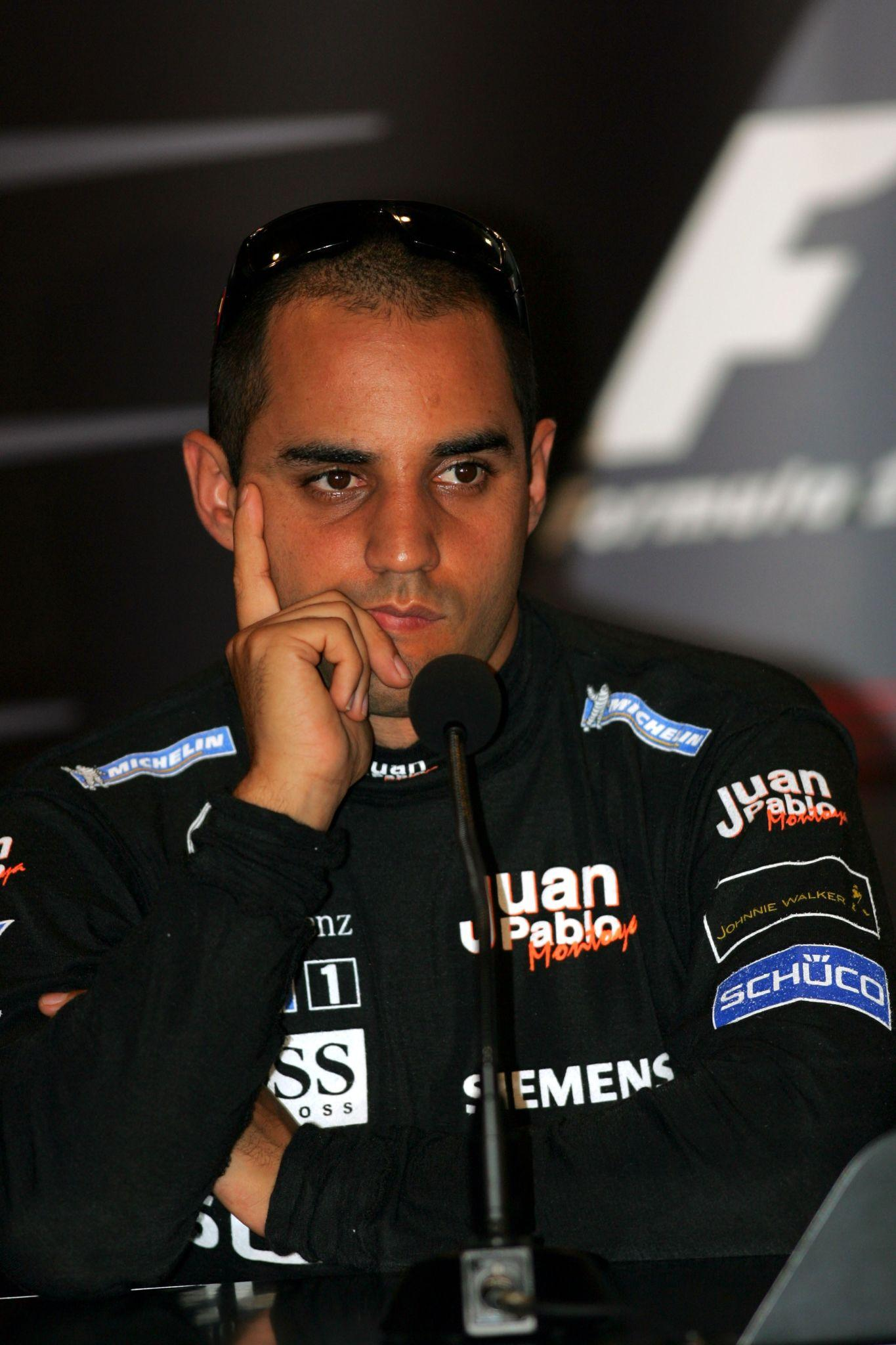
Juan Pablo Montoya: The Maverick Voice Still Shaking Formula 1
Juan Pablo Montoya has never been known for silence. During his Formula 1 career in the early 2000s, the Colombian driver built a reputation as one of the sport’s fiercest competitors — aggressive on track, outspoken off it, and unafraid to challenge rivals, teams, or governing bodies. Two decades later, that same fearless personality continues to dominate headlines.
In recent weeks, Montoya has become one of the most controversial voices in Formula 1 after launching a series of public attacks on reigning world champion Max Verstappen and the sport’s new 2026 regulations. What began as criticism of Verstappen’s comments about Formula 1’s “Mario Kart” era has escalated into a paddock-wide debate about driver freedom, political messaging, and whether outspoken criticism can damage the sport itself.
The latest storm erupted after the Miami Grand Prix, where Verstappen delivered one of the season’s most dramatic recovery drives — only for Montoya to dismiss it as “pure luck.”
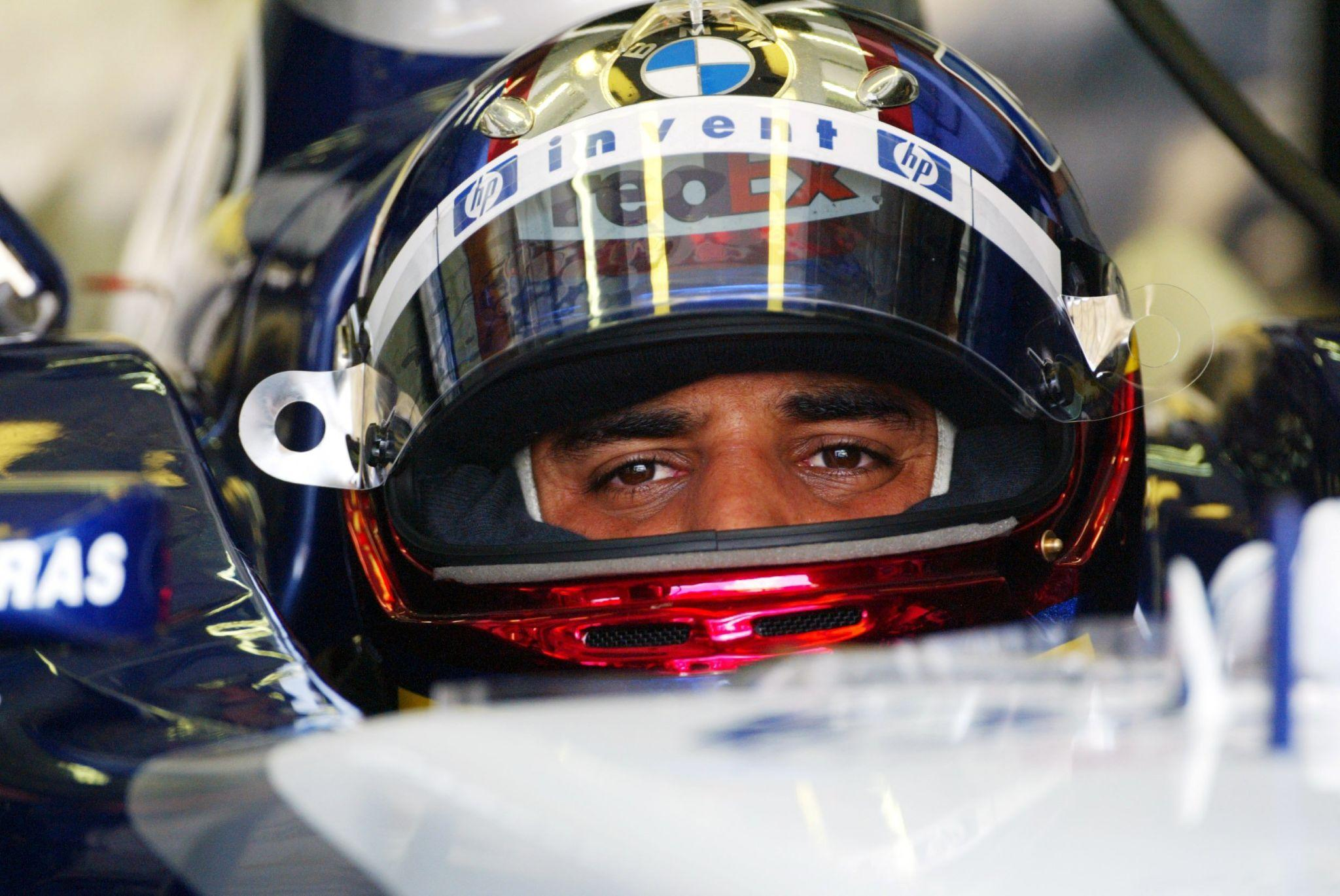
Montoya Versus Verstappen: The Rivalry Nobody Expected
The Miami Grand Prix became another flashpoint in Formula 1’s increasingly heated political climate. Verstappen spun 360 degrees on the opening lap while fighting Charles Leclerc, dropping from second to ninth before recovering to finish fifth. Many observers, including former F1 driver Martin Brundle, described the save as “genius.”
Montoya disagreed.
During a post-race discussion with former Renault driver Jolyon Palmer on F1TV, Palmer praised Verstappen’s ability to recover spinning cars under pressure, calling it part of the Dutch driver’s “skill set.” Montoya immediately pushed back.
“You think that’s talent? I thought it was pure luck,” he said.
The exchange quickly became one of the most discussed moments of the weekend. Palmer argued that recovering a spinning Formula 1 car required exceptional timing and control, especially when balancing steering, braking, and clutch input while rotating at high speed. He cited Verstappen’s famous recoveries at the British Grand Prix and the 2019 German Grand Prix as evidence that such saves were not accidental.
Montoya remained skeptical, insisting that the car’s natural physics played a bigger role than driver brilliance.
The disagreement revealed more than just contrasting technical opinions. It highlighted a deeper divide in modern Formula 1: whether Verstappen’s dominance and style deserve universal admiration, or whether the Dutchman’s increasingly confrontational public persona invites criticism.
The “Mario Kart” Controversy
Montoya’s criticism of Verstappen goes far beyond driving technique.
The former Williams and McLaren driver has become one of the strongest defenders of Formula 1’s controversial 2026 rules package — a regulations overhaul that many current drivers dislike because of its heavy focus on energy management and hybrid power deployment.
Verstappen has repeatedly mocked the new generation of cars, comparing aspects of the racing to “Mario Kart.” He joked earlier in the season that he was “practising Mario Kart” instead of simulator work ahead of the Chinese Grand Prix.
To Montoya, those comments crossed a line.
“You’ve got to respect the sport,” Montoya said during the BBC’s Chequered Flag podcast. “I’m okay with you not liking the regulations, but the way you were speaking about what you’re living off and your own sport, there should be consequences for that.”
He then made the remark that ignited widespread backlash across the motorsport world.
“Park him. Add seven points to the licence, eight points to the licence.”
Under FIA rules, drivers receive an automatic race ban after accumulating 12 penalty points within a 12-month period. Verstappen currently holds three points, meaning Montoya’s proposed punishment would move him dangerously close to suspension.
The suggestion stunned many in the paddock because penalty points are traditionally reserved for dangerous driving, not criticism of regulations.
Why the 2026 Rules Are So Divisive
To understand why Montoya’s comments caused such outrage, it is important to understand the context surrounding Formula 1’s new era.
The 2026 regulations introduced major changes to power units and energy deployment systems. Drivers have complained that the new cars rely too heavily on battery harvesting and deployment strategies, creating races where pace management sometimes matters more than raw attacking speed.
Verstappen has been among the loudest critics, describing some elements of the racing as “anti-racing” and saying drivers are effectively punished for pushing too hard in corners.
Even after the FIA introduced adjustments before the Miami Grand Prix — reducing maximum recharge levels and tweaking energy management rules — several drivers remained unhappy.
Lance Stroll described the regulations as “fundamentally flawed.” Lando Norris and Charles Leclerc also voiced concerns about the increasingly artificial nature of wheel-to-wheel battles.
Montoya, however, believes criticism from drivers is not always entirely genuine.
“One is what he really feels, and two is probably what the team is asking him to say,” he explained, suggesting many public complaints in Formula 1 are politically motivated.
That accusation touches on a long-standing reality of Formula 1 politics: drivers often become unofficial spokespeople for their teams during regulation battles.
The Shadow of 2003 Still Haunts Montoya
Montoya’s perspective is shaped heavily by his own experiences.
During the 2003 Formula 1 season, Montoya came agonizingly close to winning the world championship with Williams. He later claimed political pressure from Ferrari contributed to rule changes involving tyre specifications, ultimately hurting Williams’ competitiveness.
“If they had not changed that tyre, I probably would’ve been world champion,” Montoya said. “And why was that? That was a political move.”
That history explains why Montoya views driver messaging with suspicion. He argues that teams frequently encourage drivers to publicly criticize rules that disadvantage them competitively.
In his view, Verstappen’s repeated attacks on the 2026 package may not simply be personal frustration — they may also reflect Red Bull’s strategic interests as the team struggles to adapt.
A Polarizing Figure Once Again
Montoya’s recent remarks have divided Formula 1 fans and media outlets alike.
Some agree that drivers should avoid publicly undermining the sport they represent. Others believe outspoken criticism is essential for Formula 1’s credibility and evolution.
1996 world champion Damon Hill defended Verstappen’s honesty, arguing fans appreciate hearing genuine opinions from drivers.
Lewis Hamilton also pushed back against the negativity surrounding the new regulations, describing the racing as among the best of his career.
But many Verstappen supporters reacted furiously to Montoya’s comments.
One particularly explosive editorial published after Miami accused Montoya of becoming a “sell out” and questioned whether his opinions were influenced by political interests or efforts to help his son Sebastián Montoya progress through Formula 2.
The article described Montoya’s suggestion of licence penalties as “arguably the dumbest quote uttered by any motorsport fan.”
Such reactions show just how emotionally charged Formula 1 discourse has become in the new era.
The Legacy of Juan Pablo Montoya
Despite the controversy, Montoya remains one of the most respected racers of his generation.
Before becoming a television analyst and outspoken pundit, he built a remarkable international racing résumé:
- Seven Formula 1 Grand Prix victories
- CART Championship winner
- Indianapolis 500 winner
- Rolex 24 at Daytona winner
- Multiple NASCAR victories
Few drivers in modern motorsport history have successfully transitioned across so many disciplines.
Montoya’s fearless style made him one of Michael Schumacher’s toughest rivals during the early 2000s. His battles with Ferrari remain legendary among Formula 1 fans.
Even critics acknowledge that his willingness to speak openly makes him one of motorsport’s most compelling personalities.
What Happens Next?
The FIA has shown no indication it plans to punish Verstappen for his comments, and Montoya’s proposed licence-point solution is viewed as highly unrealistic.
Still, the debate reveals an important tension inside modern Formula 1.
Verstappen is simultaneously the sport’s biggest superstar and one of its harshest internal critics. Formula 1 benefits enormously from his popularity, but repeated public attacks on the regulations risk undermining confidence in the product.
At the same time, attempts to silence drivers could trigger even greater backlash from fans who value authenticity.
That contradiction is unlikely to disappear anytime soon.
As Formula 1 continues navigating its controversial 2026 transition, Juan Pablo Montoya appears determined to remain at the center of the conversation — just as he was during his racing career.
And whether fans agree with him or not, Formula 1 rarely stays quiet when Montoya speaks.


