

Juan Pablo Montoya vs Max Verstappen: The F1 Feud Igniting Debate Over Free Speech and Respect in Formula 1
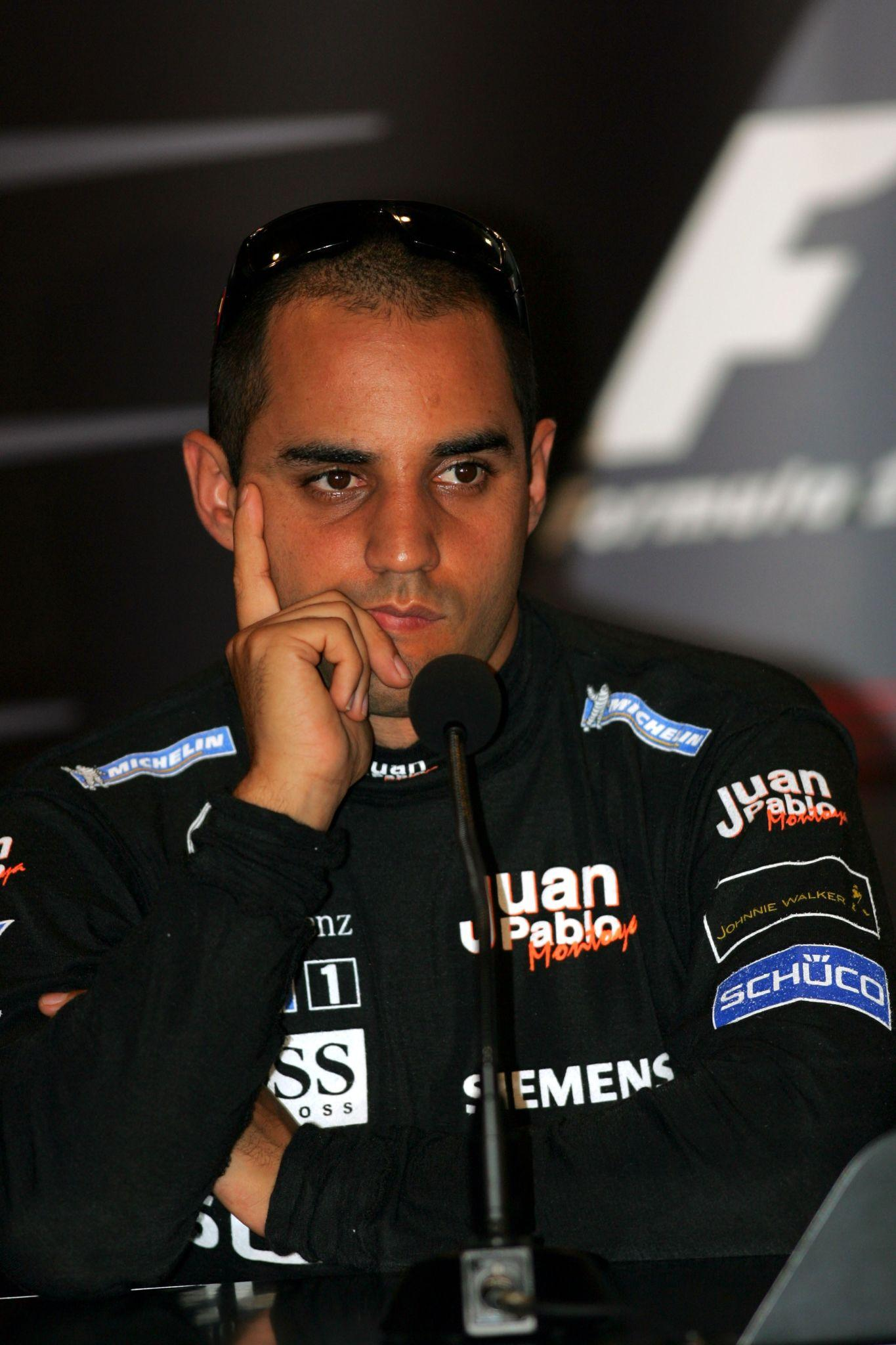
Formula 1 has never been short on controversy, but few debates in recent years have sparked as much reaction as Juan Pablo Montoya’s explosive call for Max Verstappen to be punished over his criticism of Formula 1’s new 2026 regulations.
What began as Verstappen’s frustration with the latest generation of F1 cars has now evolved into a wider conversation about freedom of expression, the role of drivers in shaping the sport, and how far criticism can go before it damages Formula 1’s image.
The controversy intensified after Montoya suggested that Verstappen should receive enough penalty points to push him toward a race suspension — a dramatic proposal that immediately divided the motorsport world.
Why Verstappen Is Angry With the 2026 F1 Rules
The foundation of this dispute lies in Formula 1’s sweeping 2026 technical regulations, which introduced significant changes to hybrid power systems and energy management.
Verstappen has repeatedly criticized the new direction of the sport since pre-season testing, describing the cars as:
- “anti-racing”
- “Formula E on steroids”
- comparable to “Mario Kart”
The reigning four-time world champion argues that the heavy emphasis on battery deployment and energy harvesting has fundamentally changed the nature of racing.
According to Verstappen, drivers are now forced to manage electrical energy so aggressively that they sometimes need to slow down strategically in order to attack later — something he believes goes against the spirit of Formula 1.
Even after the FIA introduced adjustments before the Miami Grand Prix, Verstappen maintained that the changes did not solve the underlying issues.
His frustration reflects broader concerns among parts of the paddock who fear Formula 1 may be moving too far toward efficiency-focused racing at the expense of raw speed and wheel-to-wheel combat.
Montoya’s Stunning Call for Punishment
Juan Pablo Montoya, the former Williams and McLaren driver known for his outspoken personality during his own F1 career, took a hard stance against Verstappen’s comments.
Appearing on the BBC’s Chequered Flag podcast, Montoya argued that criticism is acceptable — but only to a certain extent.
“You’ve got to respect the sport,” Montoya said.
“For me, what the drivers are doing, I’m okay with you not liking the regulations, but the way you were speaking about what you’re living off and your own sport, there should be consequences for that.”
Montoya then escalated the controversy by proposing severe sanctions.
“Park him. Add seven points to the licence, eight points to the licence. Whatever you do after, you’re going to be parked. I guarantee you all the messaging would be different.”
Under FIA rules, accumulating 12 penalty points on a super licence results in an automatic one-race suspension.
Verstappen currently holds three penalty points from an incident involving George Russell at the Spanish Grand Prix last season, meaning Montoya’s suggested punishment would place the Dutchman dangerously close to a race ban.
The “Mario Kart” Comment That Sparked Everything
While Verstappen’s criticism of the regulations had been ongoing for months, it was his “Mario Kart” comparison that appears to have particularly irritated Montoya.
The Red Bull star used the phrase while mocking how energy deployment now influences overtaking and race strategy.
Montoya argued that such language risks undermining Formula 1’s reputation globally.
“I’m not saying don’t be outspoken, but don’t come and call an F1 car a Mario Kart,” he said.
For Montoya, there is a distinction between constructive criticism and language that makes the sport appear unserious or artificial.
The debate has therefore become bigger than one driver’s complaints. It has transformed into a philosophical disagreement over whether elite athletes have a responsibility to protect the image of the sport they represent.
Fans Deeply Divided Over Montoya’s Position
Reaction from Formula 1 fans has been fierce.
Large sections of the fanbase accused Montoya of hypocrisy, noting that he himself was one of Formula 1’s most vocal critics during his own racing career.
Others defended Verstappen’s honesty, arguing that drivers should be free to express genuine concerns about regulations that directly affect racing quality.
Social media and comment sections quickly filled with passionate arguments.
Some fans supported Montoya’s broader point that repeatedly describing Formula 1 negatively could damage the sport’s image. Others viewed any attempt to punish Verstappen for criticism as censorship.
The controversy also highlighted Verstappen’s unique influence within modern Formula 1. As one of the sport’s biggest stars, his opinions carry enormous weight with fans, media, sponsors, and even regulators.
When Verstappen labels the cars “Mario Kart,” the phrase spreads instantly across the global motorsport community.
Politics Inside Formula 1
Montoya also suggested that Verstappen’s criticism may not be entirely personal.
According to the Colombian, team politics often shape what drivers say publicly.
“The politics of the sport are really important,” Montoya explained.
“The message the drivers come across and ask for, a lot of them are guided. They tell you we really need to push for this because this is going to really help us.”
This comment hints at a larger political battle surrounding the 2026 regulations.
Teams are fighting over technical direction, competitive balance, and the future identity of Formula 1 itself. Public criticism from star drivers can become a powerful tool in influencing regulators and public opinion.
However, Verstappen has consistently denied that his complaints are connected to Red Bull’s competitive struggles.
He insists he began criticizing the regulations back in 2023 — long before Red Bull’s current difficulties.
Verstappen’s Difficult 2026 Season
The controversy arrives during an unusually challenging season for Verstappen and Red Bull.
After dominating Formula 1 for years, Red Bull has struggled to adapt to the latest rule package.
Through the opening rounds of the season, Verstappen sits seventh in the championship standings with just 26 points.
Mercedes has emerged as the early benchmark, with George Russell and teenage sensation Kimi Antonelli leading the charge.
Antonelli, in particular, has become one of the biggest stories of the season after winning multiple races and establishing himself as a genuine title contender.
At the Miami Grand Prix, Verstappen managed a fifth-place finish after Red Bull introduced upgrades to the RB22 package. However, he still received a five-second penalty for crossing the white line at pit exit.
Although the result showed signs of improvement, Verstappen remained dissatisfied with the cars and the direction of the regulations.
A Bigger Debate About Formula 1’s Future
At its core, the Montoya-Verstappen feud reflects a larger existential debate inside Formula 1.
The sport faces increasing pressure to balance:
- sustainability
- electrification
- entertainment
- traditional racing values
The 2026 regulations were designed partly to make Formula 1 more energy-efficient and attractive to future manufacturers.
However, critics fear that excessive energy management risks turning races into tactical battery exercises rather than flat-out competition.
This tension is not new in motorsport.
Formula 1 has historically evolved through major technical revolutions, often generating backlash before eventually becoming accepted. Yet Verstappen’s criticism resonates because many fans share concerns about whether modern F1 cars are becoming overly complicated.
Could the FIA Ever Punish Verstappen for His Comments?
Realistically, Montoya’s proposal is unlikely to happen.
Penalty points are generally reserved for driving infractions rather than public criticism of regulations.
Punishing Verstappen simply for expressing dissatisfaction would likely trigger enormous backlash from fans, teams, drivers, and free speech advocates.
Still, the controversy demonstrates how sensitive Formula 1 has become about its public image.
The FIA has increasingly emphasized professionalism, media conduct, and protecting the sport’s reputation. That makes outspoken superstars like Verstappen both valuable and difficult for the governing body to manage.
The Dutchman’s popularity gives him leverage few drivers possess.
If Formula 1 attempted to silence him too aggressively, it could create an even larger public relations disaster.
Conclusion
The clash between Juan Pablo Montoya and Max Verstappen is about far more than a “Mario Kart” joke.
It exposes deep divisions inside Formula 1 over the future of the sport, the role of drivers as public critics, and the balance between technological innovation and pure racing.
Montoya believes Formula 1 drivers must show greater respect for the championship that made them famous.
Verstappen, meanwhile, appears determined to continue speaking openly about regulations he believes are damaging the sport.
As Formula 1 pushes deeper into its hybrid-electric future, these tensions are unlikely to disappear anytime soon.


