
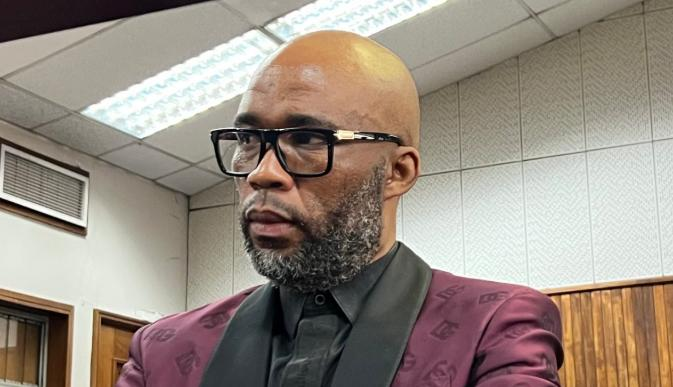
Joe “Ferrari” Sibanyoni: Inside the Rise, Power, Wealth, and Violent Taxi Wars Shaping South Africa’s Underworld
Few figures in South Africa’s taxi industry command as much influence, controversy, and fascination as Joe “Ferrari” Sibanyoni. Known for his wealth, strategic business influence, and deep roots in the country’s powerful taxi sector, Sibanyoni has evolved from a regional taxi operator into one of the most recognizable names linked to Gauteng and Mpumalanga’s transport power structures.
In recent years, the name Joe Sibanyoni has become inseparable from headlines involving assassination attempts, cartel allegations, organized taxi rivalries, the Madlanga Commission, and the explosive court battles surrounding controversial businessman Vusi “Cat” Matlala. His story sits at the intersection of business ambition, political influence, organized transport networks, and South Africa’s long-running taxi wars.
The public image surrounding Sibanyoni is layered. To supporters, he represents a disciplined businessman who helped modernize taxi operations and build economic influence within an industry historically marginalized by formal institutions. To critics and investigators, his name repeatedly surfaces alongside allegations involving violent succession struggles, criminal syndicates, and fierce territorial battles that have defined the taxi economy for decades.
As court proceedings continue to unfold and the “Big Five cartel” allegations dominate public discourse, Joe “Ferrari” Sibanyoni remains one of the most watched and debated figures in South Africa’s transport landscape.
Quick Facts About Joe “Ferrari” Sibanyoni
| Detail | Information |
|---|---|
| Full Name | Joe Sibanyoni |
| Nickname | Joe “Ferrari” Sibanyoni |
| Nationality | South African |
| Profession | Taxi Industry Executive, Businessman |
| Known For | Taxi industry leadership, SANTACO influence, Taxi Choice |
| Current Status | Active businessman and industry leader |
| Estimated Net Worth | Multi-million rand estimate |
| Income Sources | Taxi operations, transport investments, business interests |
| Relationship Status | Private |
| Children | Not publicly detailed |
| Major Affiliations | SANTACO, Taxi Choice |
| Notable Rivals | Linked publicly to conflicts involving Jotham “Mswazi” Msibi and Vusi “Cat” Matlala |
| Trending Topics | Madlanga Commission, Taxi wars, Court proceedings |
From Taxi Operations to Industry Powerbroker
Joe Sibanyoni’s rise reflects the broader evolution of South Africa’s taxi industry from loosely organized transport routes into a billion-rand economic ecosystem. Emerging from Mpumalanga’s transport sector, Sibanyoni gradually built influence through taxi associations, route negotiations, and strategic alliances.
His nickname “Ferrari” became symbolic of both status and ambition. Within taxi circles, such nicknames often signal reputation, financial success, and street-level authority. Over time, Sibanyoni transformed into a figure associated with luxury, influence, and high-level decision-making in transport operations.
Unlike many operators who remained confined to local associations, Sibanyoni expanded into national structures connected to SANTACO and broader transport investments. His growing profile placed him among the most recognizable executives in the industry, especially after becoming linked to Taxi Choice, a major business structure connected to taxi financing and commercial partnerships.
Industry insiders increasingly viewed him as part of a new generation of taxi leaders who blended traditional route control with corporate-style management. That transformation elevated his profile far beyond ordinary taxi operations.
The Early Influences That Shaped Joe Sibanyoni’s Career
Public information about Joe Sibanyoni’s childhood and family background remains limited, reflecting the secretive culture often surrounding senior taxi industry figures. Unlike celebrities or politicians who publicly document their upbringing, Sibanyoni has largely maintained privacy around his formative years.
What is clear is that he emerged during one of the most volatile periods in South Africa’s taxi industry history. The 1980s and 1990s saw intense route disputes, territorial violence, and fierce competition between associations. Surviving and rising during that era required negotiation skills, political awareness, and operational discipline.
The taxi industry itself became a gateway to wealth and influence for many black entrepreneurs during apartheid and post-apartheid South Africa. With limited access to formal economic structures, taxi operations became one of the country’s most significant black-owned business sectors.
Sibanyoni’s ability to survive that environment and eventually gain leadership influence demonstrates strategic adaptability. His career trajectory reflects not only business instincts but also an understanding of the power structures governing transport networks across provinces.
Joe Sibanyoni and the Legacy of Jotham “Mswazi” Msibi
One of the defining aspects of Joe Sibanyoni’s public story is his long and complicated relationship with the late Jotham Zanemvula “Mswazi” Msibi.
Msibi was widely regarded as one of the most powerful and feared taxi bosses in South Africa. A founding figure connected to SANTACO and long-distance taxi structures, Mswazi wielded extraordinary influence across transport associations and business networks.
For years, Sibanyoni and Msibi were reportedly close industry associates. Their alliance symbolized the interconnected power structures dominating major taxi routes and financial interests. However, that relationship later deteriorated dramatically.
The fallout between the two men became central to later allegations involving attempted assassinations and cartel succession battles. Investigative testimony and court-linked allegations suggested tensions emerged over leadership, influence, and future control of powerful taxi-linked structures.
Following Msibi’s death in January 2024, attention intensified around who would inherit influence within the broader network of taxi businesses and alliances associated with him. Sibanyoni’s growing prominence placed him directly at the center of that discussion.
The collapse of their alliance became one of the most significant storylines in South Africa’s modern taxi conflict history.
Inside the “Big Five Cartel” Allegations
The phrase “Big Five cartel” entered mainstream public discourse through explosive testimony linked to the Madlanga Commission and ongoing investigations into organized crime, corruption, and taxi-industry violence.
The alleged cartel was described as a powerful criminal network with influence extending into transport, security operations, extortion, contract killings, tender fraud, and political protection systems. Testimony repeatedly referenced several prominent figures allegedly connected to this network, including:
- Joe “Ferrari” Sibanyoni
- Jotham “Mswazi” Msibi
- Vusi “Cat” Matlala
- Katiso “KT” Molefe
- Businessman Steve Motsumi
The allegations remain highly controversial and many aspects have not been proven in court. However, the testimony generated national attention because it painted a picture of interconnected business and criminal structures operating behind South Africa’s transport economy.
Investigators described succession battles within the alleged cartel after Msibi’s death. Reports linked the attempted assassination of Sibanyoni to those broader tensions.
The Madlanga Commission proceedings dramatically expanded public scrutiny around the taxi industry, exposing allegations of infiltration into law enforcement, political structures, and private security operations.
For Sibanyoni, the allegations elevated him from industry businessman to a central figure in one of South Africa’s most explosive organized crime narratives.
The Assassination Attempt That Changed Everything
In August 2022, Joe Sibanyoni survived a shocking assassination attempt outside Centurion Golf Estate. Gunmen reportedly opened fire on his vehicle in what prosecutors later described as a coordinated attack.
The incident immediately intensified tensions within taxi circles and triggered widespread speculation regarding motives and rivalries. Although Sibanyoni survived, another occupant was reportedly injured during the ambush.
The attempted killing transformed Sibanyoni’s public image. He was no longer viewed only as a businessman or taxi executive. He became a symbol of the violent undercurrents shaping South Africa’s transport sector.
Court proceedings later connected the incident to businessman Vusi “Cat” Matlala. Prosecutors alleged Matlala admitted involvement in orchestrating the attack, though the legal process remains ongoing and contested.
Investigators also linked the shooting to tensions involving the late Mswazi Msibi. Ballistic evidence, recovered vehicles, and alleged hired hitmen became central to the investigation.
The case exploded into national headlines because it exposed the extent to which taxi rivalries allegedly intersected with organized criminal operations.
Vusi “Cat” Matlala and the Court Battles Dominating Headlines
Vusi “Cat” Matlala emerged as one of the most controversial figures connected to the Sibanyoni saga. A businessman associated with security operations and high-profile allegations, Matlala became the focus of multiple criminal investigations.
Court proceedings linked him to attempted murders involving:
- Joe Sibanyoni
- DJ Vettys
- Tebogo Thobejane
Prosecutors alleged Matlala played a central role in arranging violent attacks using hired operatives and organized criminal structures. His legal team strongly disputed the allegations.
The ongoing court case generated enormous public interest because it exposed alleged links between underworld violence, business networks, and taxi power struggles. The proceedings also intensified scrutiny on private security operations allegedly connected to major industry players.
The “Cat” Matlala saga became larger than a single criminal trial. It evolved into a national conversation about corruption, political protection, organized violence, and the hidden power structures influencing South Africa’s transport economy.
For Joe Sibanyoni, the case reinforced his position as both survivor and central figure in a much broader conflict.
Joe Sibanyoni’s Net Worth and Business Empire
Joe Sibanyoni’s net worth has become a major subject of public curiosity, particularly as his nickname “Ferrari” symbolizes luxury and financial success.
While no official audited figure has been publicly confirmed, Sibanyoni is widely regarded as a multi-millionaire with extensive interests linked to:
- Taxi operations
- Transport financing
- Association structures
- Commercial investments
- Taxi-related corporate ventures
His association with Taxi Choice significantly boosted perceptions of his business influence. Taxi Choice operates within a broader ecosystem involving vehicle financing, commercial partnerships, and large-scale transport investment.
The South African taxi industry itself generates billions of rand annually, transporting millions of commuters every day. Senior operators controlling major routes and associations often accumulate enormous financial influence.
Sibanyoni’s public appearances, luxury lifestyle associations, and high-profile business involvement contributed to the perception that he belongs among the wealthiest figures in the industry.
Private Life Behind the Headlines
Despite his public prominence, Joe Sibanyoni has maintained relative privacy regarding his romantic relationships and family life.
Unlike many high-profile public figures, he rarely discusses personal matters in interviews or public appearances. Information regarding his spouse, partner, or children remains limited in the public domain.
That privacy may reflect both personal preference and security considerations. Within South Africa’s taxi industry, public visibility often carries significant risks due to ongoing rivalries and violence.
Friends and associates have described Sibanyoni as highly disciplined, strategic, and focused on long-term business positioning. His leadership style reportedly combines negotiation skills with strong operational control.
Although controversy dominates headlines, supporters within the transport sector often portray him as a businessman deeply committed to maintaining influence and stability within the industry.
Joe Sibanyoni’s Growing Influence After Mswazi’s Death
Following Jotham “Mswazi” Msibi’s death in 2024, attention increasingly shifted toward succession battles within taxi leadership circles.
Sibanyoni’s growing role in Taxi Choice and broader transport structures positioned him as one of the most influential surviving industry leaders. Analysts and observers viewed him as a figure capable of reshaping the future direction of major taxi business interests.
However, that rising influence also intensified scrutiny. Investigators, journalists, and political commentators began examining longstanding relationships, alliances, and rivalries within the sector.
The vacuum left by Msibi’s death appears to have accelerated tensions among competing factions. Allegations involving assassination plots, protection networks, and underworld succession struggles became increasingly prominent.
Sibanyoni’s ability to navigate that environment while maintaining operational influence demonstrates the extraordinary complexity of South Africa’s taxi economy.
Lesser-Known Facts About Joe “Ferrari” Sibanyoni
Joe Sibanyoni’s nickname “Ferrari” reportedly reflects his association with luxury, status, and financial success within taxi circles.
He survived multiple alleged threats on his life before the widely publicized 2022 assassination attempt.
Sibanyoni has been associated with philanthropic and community-linked initiatives through industry-related foundations and sponsorship activities.
He became one of the most recognizable public faces linked to Taxi Choice following leadership transitions inside the sector.
Despite years of controversy and allegations surrounding industry violence, Sibanyoni has maintained significant support among portions of the taxi sector.
His name regularly trends online during court proceedings involving Vusi “Cat” Matlala and the Madlanga Commission.
Why Joe Sibanyoni Remains One of South Africa’s Most Fascinating Figures
Joe Sibanyoni’s story reflects much more than the biography of a taxi businessman. His rise illustrates the extraordinary economic and political power embedded within South Africa’s transport industry.
The taxi sector remains one of the country’s largest informal economies, transporting millions daily while generating billions in annual revenue. Leaders within that system often wield influence comparable to political and corporate elites.
Sibanyoni’s life also reflects the darker realities surrounding the industry — territorial disputes, organized violence, political influence, and alleged criminal infiltration.
Whether viewed as a successful entrepreneur, controversial powerbroker, or survivor of violent rivalries, his impact on the industry is undeniable.
As the Madlanga Commission continues exposing allegations involving criminal syndicates and transport networks, Joe “Ferrari” Sibanyoni remains central to understanding the intersection between business power and South Africa’s taxi wars.
The Legacy of Joe “Ferrari” Sibanyoni
Joe Sibanyoni’s biography continues to evolve in real time. Court proceedings, investigations, and public scrutiny ensure his name remains deeply embedded in South Africa’s national conversation.
His journey from taxi operator to powerful industry executive reflects both ambition and survival within one of the country’s most competitive sectors. At the same time, the controversies surrounding cartel allegations and assassination attempts have transformed him into a symbol of the broader battles shaping the taxi economy.
Whether history ultimately remembers Sibanyoni as a visionary businessman, controversial kingpin, or influential survivor of a violent era, his significance within South Africa’s transport landscape is unquestionable.
The Joe Sibanyoni story is ultimately about power — how it is built, protected, challenged, and fought over in one of the country’s most dangerous and influential industries.


