

Nurses Day 2026: Why Empowered Nurses Are the Foundation of Modern Healthcare
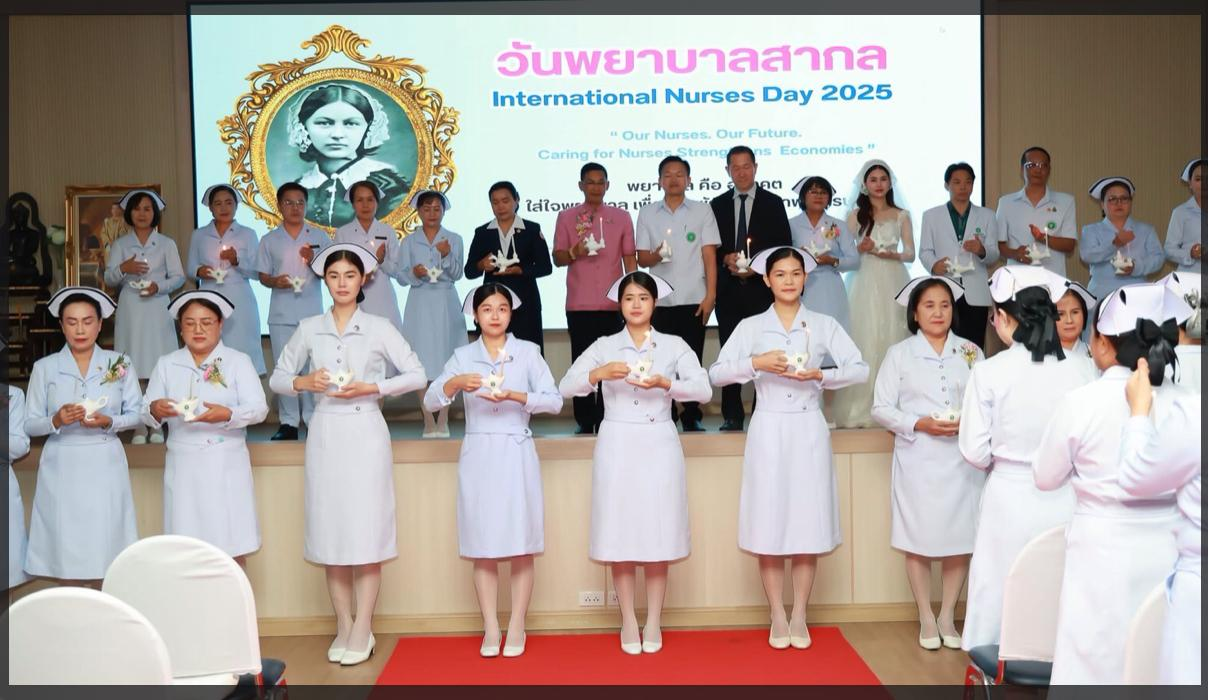
Every year on May 12, the world pauses to recognize one of the most essential professions in society: nursing. International Nurses Day is more than a symbolic celebration on the healthcare calendar. It is a moment to acknowledge the people who stand at the center of patient care, often carrying the emotional, physical, and psychological burden of healthcare systems under immense strain.
In 2026, the global theme for International Nurses Day — “Our Nurses. Our Future. Empowered Nurses Save Lives” — has placed renewed attention on the importance of supporting nurses not only as caregivers, but also as leaders, educators, advocates, and decision-makers.
Across hospitals, clinics, emergency wards, oncology units, and community health facilities, nurses remain the first point of contact for millions of patients. Yet many healthcare professionals say their contributions continue to be underappreciated despite the increasing complexity of modern medicine and rising pressure on healthcare systems worldwide.
A Profession Built on Compassion and Responsibility
Healthcare organizations marking Nurses Day this year emphasized that nursing is far more than a technical profession. It is a vocation rooted in empathy, trust, and service.
“Nurses deserve far more recognition than they typically receive. Their work is both physically and emotionally demanding, yet they are the backbone of our healthcare system,” said Mary Ann Nabbie, Netcare’s group director of nursing.
Netcare’s 2026 recognition campaign, themed “a rare kind of care,” highlighted the deeply personal commitment nurses bring to patient care every day. According to Nabbie, nursing requires “an ethical compass that always points towards doing what is right for others.”
That responsibility extends far beyond administering medication or monitoring vital signs. Nurses often become emotional anchors for patients and families during moments of fear, uncertainty, and vulnerability.
“Nursing means reaching out with both skill and heart, empathising with and comforting another human being and their loved ones during some of their most vulnerable moments,” Nabbie said.
Inside the Reality of Frontline Nursing
The realities of nursing became especially vivid through stories shared by healthcare professionals working in oncology and critical care settings.
One of the most compelling examples comes from Shaukat Khanum Memorial Cancer Hospital and Research Centre in Lahore, where chemotherapy nurse Sadia spends her days supporting cancer patients through some of the hardest periods of their lives.
Her work begins long before she interacts with patients. Each shift starts with clinical briefings, safety checks, reviewing patient histories, and ensuring treatment protocols are followed precisely. Yet the emotional dimension of her work is just as significant as the technical side.
Among the young patients she treats is Subhan, a child whose smile lights up every time he sees her. Even amid a demanding schedule, Sadia always pauses to reassure him and his family. These moments, though small, demonstrate the human connection that defines nursing care.
Nurses in chemotherapy units also shoulder enormous responsibility for patient safety. From verifying medication dosages to managing hazardous waste disposal, every detail matters.
Before chemotherapy is administered, nurses conduct multiple identity and medication checks to eliminate the risk of error. Used syringes and infectious materials are carefully disposed of according to strict safety procedures designed to protect both healthcare workers and patients.
The article describing Sadia’s work illustrates a broader truth about nursing worldwide: empowered nurses are not simply assistants within healthcare systems. They are highly trained professionals making critical decisions every day.
The Growing Pressure on Healthcare Workers
International Nurses Day 2026 also arrives at a time when healthcare systems in many countries are facing growing pressure from chronic disease, aging populations, staff shortages, and delayed patient care.
In South Africa, healthcare platform Unu Health warned that nurses are carrying an increasing burden as more patients seek treatment only after illnesses become severe.
Public healthcare facilities are dealing with large patient volumes, limited resources, and rising rates of chronic conditions such as hypertension and cardiovascular disease.
“They are often the first point of contact, the ones managing ongoing care, and in many cases, the emotional support for patients navigating difficult diagnoses,” said Luvuyo Maloka from Unu Health.
Healthcare experts say late intervention significantly increases the complexity of treatment, placing additional pressure on already overstretched nurses.
The situation has fueled discussions around prevention-focused healthcare systems rather than reactive treatment models. According to Unu Health, digital healthcare tools, remote consultations, and easier access to screenings may help reduce unnecessary clinic visits and allow nurses to focus on urgent and complex cases.
“Technology cannot replace the role of nurses,” Maloka said. “But it can play a critical role in reducing the pressure on the system and ultimately improving outcomes for both patients and healthcare workers.”
Why Nurse Empowerment Matters
The central message of International Nurses Day 2026 is clear: healthcare systems cannot thrive unless nurses themselves are supported.
Empowerment in nursing is not an abstract slogan. It includes practical measures such as:
- safe working environments
- adequate staffing levels
- access to protective equipment
- ongoing professional training
- leadership support
- mental health and wellbeing initiatives
- respect within healthcare hierarchies
At Shaukat Khanum Hospital, one initiative designed to strengthen communication and workplace culture is called “Chai with the Chief Medical Officer.” The program invites bedside nurses to meet directly with senior leadership in an informal environment where they can openly share concerns and ideas.
For many nurses, this kind of engagement sends an important message: their voices matter.
Nurses interviewed during the Nurses Day coverage repeatedly emphasized that workplace culture can significantly influence patient outcomes.
Bone marrow transplant nurse Akram Masih recalled moments when hospital leadership treated nurses with visible respect, including occasions where senior executives waited patiently while he completed patient care responsibilities.
“These small acts define a culture of dignity,” he explained. “When nurses feel respected, it strengthens how we care for our patients.”
The Human Side of Healthcare
One of the defining characteristics of nursing is that it combines science with humanity.
While doctors often diagnose and prescribe treatment, nurses spend the most time with patients throughout their healthcare journeys. They explain procedures, calm fears, monitor changes in condition, advocate for patient needs, and provide emotional reassurance during moments of crisis.
That emotional labor is rarely measured in statistics, yet it forms a crucial part of healthcare delivery.
Netcare noted that patients frequently send testimonials praising the compassion shown by nursing staff. According to the healthcare group, these everyday acts of care are often invisible to the public despite being essential to person-centered healthcare.
“Too often, nurses’ countless acts of caring, both seen and unseen, are not acknowledged to the extent that they should be,” Nabbie said.
A Changing Nursing Workforce
Healthcare leaders also point to the evolving nature of the nursing workforce itself.
Modern hospitals increasingly rely on intergenerational teams where experienced nurses work alongside younger professionals trained in digital healthcare technologies and modern clinical systems.
According to Netcare, this blending of experience and innovation strengthens healthcare delivery and improves patient safety in technologically advanced clinical environments.
At the same time, younger generations entering nursing are seeking healthier workplace cultures, stronger career development opportunities, and greater recognition for the profession’s importance.
Experts believe that attracting and retaining skilled nurses will become one of the defining healthcare challenges of the coming decade.
The Future of Nursing
The future of healthcare will depend heavily on how governments, hospitals, and societies invest in nurses today.
As healthcare systems adopt more digital technologies and face rising patient demands, nurses are expected to play an even greater role in prevention, chronic disease management, telemedicine, and community health education.
But healthcare experts warn that technology alone cannot solve systemic pressures.
Instead, the future envisioned by International Nurses Day 2026 centers on creating environments where nurses can thrive professionally and personally.
That means recognizing nursing not simply as support work, but as a highly skilled profession central to public health and patient survival.
Conclusion
International Nurses Day 2026 arrives with a powerful reminder: nurses are at the heart of healing.
Whether working in oncology wards, emergency rooms, public clinics, or intensive care units, nurses remain among the most trusted and indispensable professionals in healthcare.
Their work demands resilience, technical expertise, emotional intelligence, and unwavering dedication to patient wellbeing.
As healthcare systems around the world confront rising challenges, one message stands out more clearly than ever — empowered nurses save lives.


