




Hanuman Jayanti: A Living Tradition of Faith, Strength, and Devotion
A Festival Rooted in Devotion and Cultural Continuity
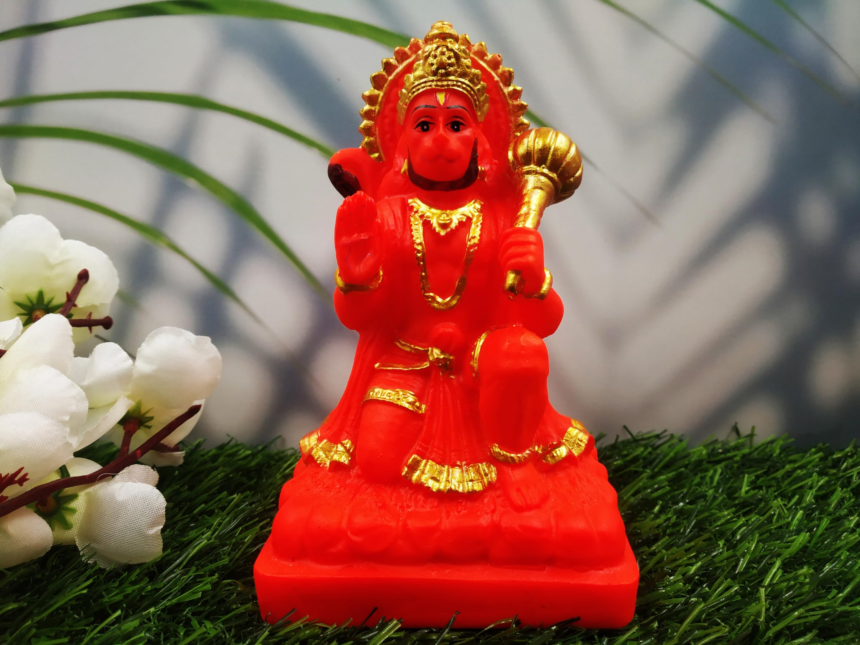
Every year, millions of devotees across India and beyond come together to celebrate Hanuman Jayanti, a festival that marks the birth anniversary of Lord Hanuman—one of the most revered figures in Hindu tradition. Known for his unwavering devotion, immense strength, and spiritual discipline, Lord Hanuman continues to symbolize courage, loyalty, and resilience in both religious and cultural contexts.
- A Festival Rooted in Devotion and Cultural Continuity
- The Sacred Timing: When Hanuman Jayanti is Celebrated
- Understanding the Spiritual Significance
- Rituals and Observances: How Devotees Celebrate
- Mantras and Their Role in Devotion
- The Role of Food: Bhog and Sacred Offerings
- Cultural and Social Impact
- Why Hanuman Jayanti Still Matters Today
- Conclusion: A Festival That Transcends Time
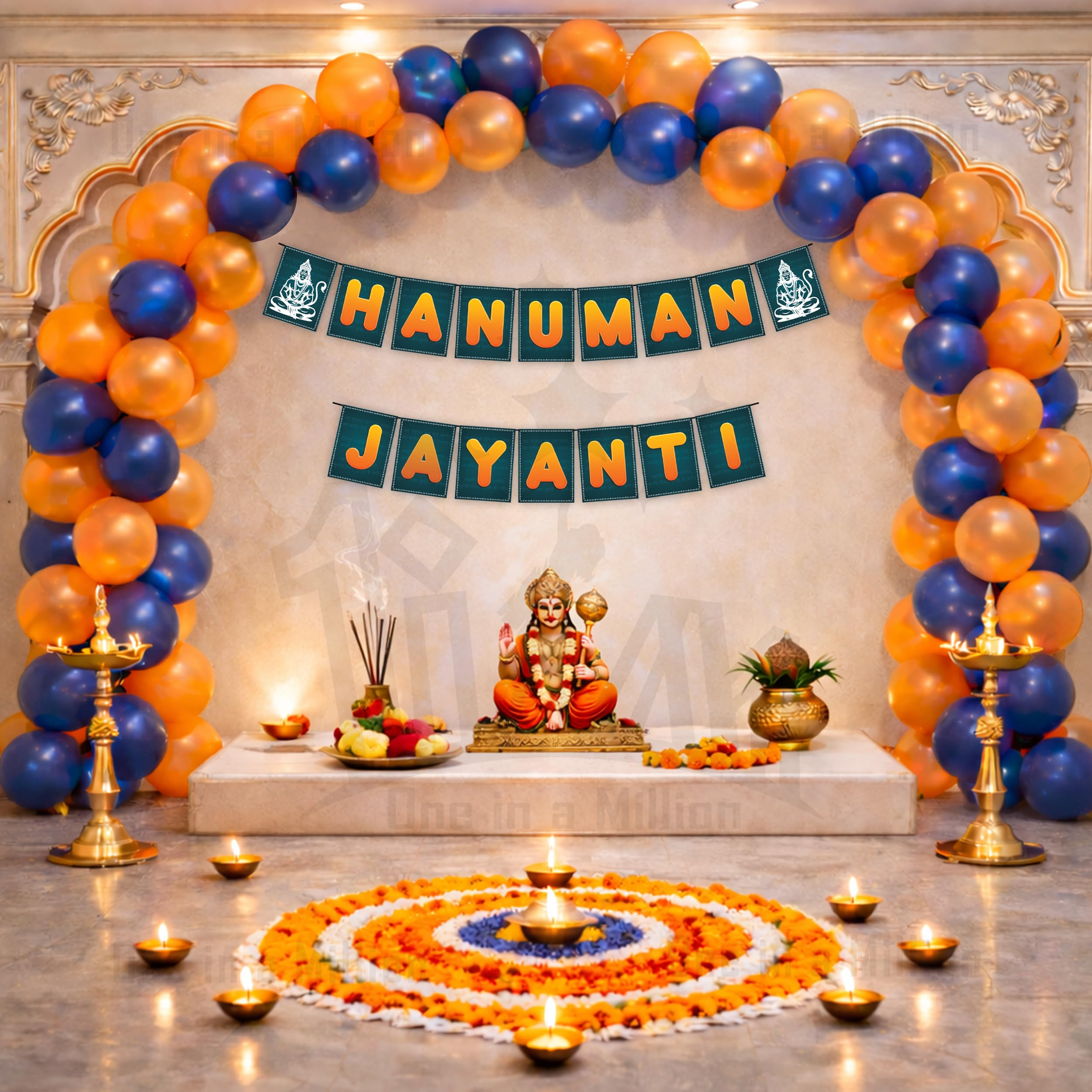
Observed on the Purnima (full moon day) of the Shukla Paksha in the Hindu month of Chaitra, Hanuman Jayanti holds deep spiritual significance. In 2026, the festival falls on April 2, aligning with traditional lunar calculations .
While the rituals remain rooted in ancient traditions, the festival’s relevance continues to evolve, reflecting a blend of faith, community participation, and cultural identity.

The Sacred Timing: When Hanuman Jayanti is Celebrated
The timing of Hanuman Jayanti is determined by the lunar calendar, specifically the Chaitra Purnima.
- Purnima Tithi Begins: April 1, 2026 – 07:06 AM
- Purnima Tithi Ends: April 2, 2026 – 07:41 AM
- Celebration Day (Udaya Tithi): April 2, 2026
Devotees observe specific auspicious time slots (Shubh Muhurat) throughout the day for prayers and rituals, reinforcing the importance of timing in Hindu spiritual practices.



Understanding the Spiritual Significance
At its core, Hanuman Jayanti is more than a commemorative festival—it is a reflection of timeless virtues.
Lord Hanuman, believed to be the son of Anjani and Kesari and known as Pawan Putra (son of the wind god Vayu), represents:
- Strength and courage
- Devotion and loyalty
- Wisdom and discipline
- Fearlessness and protection
He is also regarded as a Chiranjeevi (immortal being), symbolizing eternal presence and divine protection .
According to Hindu belief systems, Hanuman is an incarnation of Lord Shiva and a devoted follower of Lord Rama. His role in the epic Ramayana reinforces his image as a protector and a symbol of selfless service.



The festival therefore becomes an opportunity not just for worship, but for reflection on these enduring values.
Rituals and Observances: How Devotees Celebrate
Hanuman Jayanti is marked by a structured series of rituals aimed at invoking blessings, protection, and inner strength.
Morning Devotion and Temple Visits
Devotees typically begin their day early, visiting temples and offering prayers. Idols of Lord Hanuman are adorned with:
- Sindoor (vermilion)
- Jasmine oil
- Flowers and garlands
Lighting a diya (lamp) using jasmine oil is considered especially auspicious .
Recitation and Spiritual Practices
A central aspect of the celebration involves reciting sacred texts, including:
- Hanuman Chalisa
- Sundarkand (a section of the Ramacharitmanas)
- Various stotrams and mantras
Many households organize group recitations, reinforcing community participation.
Fasting and Discipline
Fasting is widely observed, with devotees choosing:
- Nirjala fast (without water)
- Phalahar fast (fruit-based diet)
These practices are believed to promote spiritual growth, discipline, and mental clarity.
Mantras and Their Role in Devotion
Chanting plays a critical role in Hanuman Jayanti rituals. It is considered a powerful means of spiritual connection and protection.
Some widely recited mantras include:
- Om Shri Hanumate Namah
- Om Namo Bhagavate Anjaneyaya Mahabalaya Swaha
- Om Anjaneyaya Vidmahe Vayuputraya Dhimahi Tanno Hanumat Prachodayat
These mantras are believed to:
- Remove negative energies
- Provide protection from harm
- Enhance mental and emotional strength
- Help devotees achieve their goals
The emphasis is on correct pronunciation, consistency, and devotion during chanting.
The Role of Food: Bhog and Sacred Offerings
Food offerings, or bhog, form an essential part of the celebrations. Devotees prepare traditional dishes believed to please Lord Hanuman.
Common offerings include:
- Boondi and besan ladoos
- Kheer (rice pudding)
- Jalebi
- Churma
These offerings are prepared using sattvic ingredients, avoiding onion and garlic, and often using rock salt during fasting periods.
For those unable to prepare elaborate dishes, simple offerings like roasted chickpeas with jaggery are also considered acceptable .
Cultural and Social Impact
Hanuman Jayanti extends beyond individual devotion—it plays a significant role in strengthening community bonds.
Across cities and villages:
- Temples are decorated with lights and flowers
- Public gatherings and processions are organized
- Food and water are distributed to the needy
This charitable aspect highlights the festival’s broader social dimension, aligning with values of service and compassion.
In modern contexts, Hanuman Jayanti also reflects how traditional festivals continue to adapt, maintaining relevance in urban and digital lifestyles while preserving their spiritual essence.
Why Hanuman Jayanti Still Matters Today
In an era marked by rapid change and uncertainty, the enduring appeal of Hanuman Jayanti lies in its core message:
- Strength in adversity
- Faith in purpose
- Discipline in action
- Devotion in relationships
Lord Hanuman’s character offers a framework for navigating personal and societal challenges, making the festival not just a ritual, but a guide for living.
Conclusion: A Festival That Transcends Time
Hanuman Jayanti remains one of the most spiritually significant and culturally vibrant festivals in Hindu tradition. It is a day where mythology, devotion, and lived experience converge.
From temple rituals and mantra chanting to fasting and community service, every aspect of the celebration reflects a deeper pursuit of strength, clarity, and protection.
As devotees gather each year to honor Lord Hanuman, the festival continues to reinforce a simple yet powerful truth: faith, when combined with discipline and humility, can become a source of enduring strength.