A New Phase in Smartphone Evolution
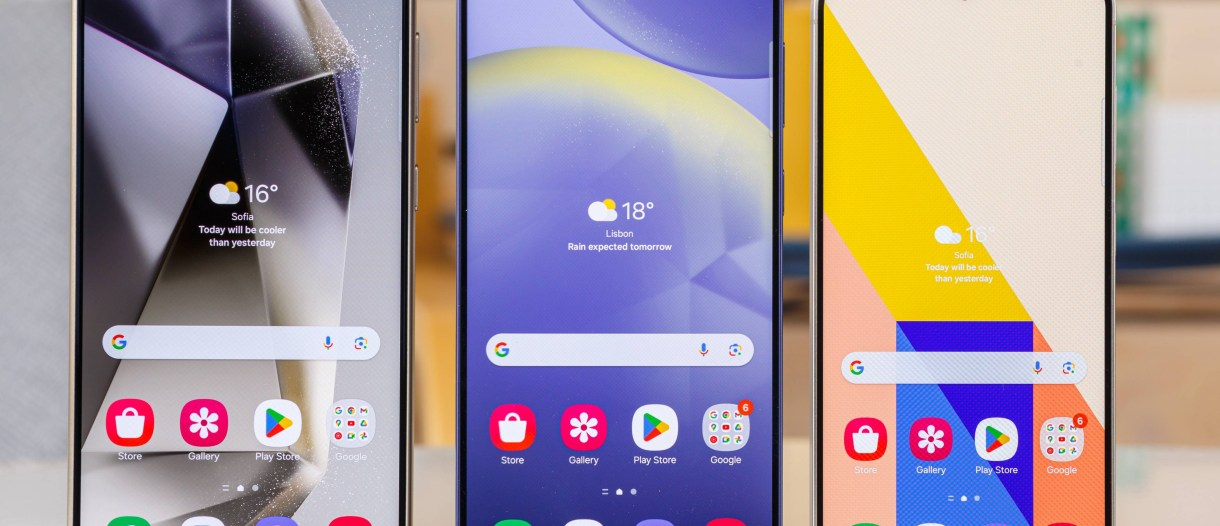
Samsung is quietly rewriting one of the core assumptions of the smartphone market: that the most advanced features belong exclusively to the newest devices. In a move that signals a broader strategic shift, the company has begun rolling out Galaxy S26’s flagship AI capabilities to older devices like the Galaxy S24 series and the Galaxy Z Fold7 through the One UI 8.5 beta update.
What might initially appear as a routine software update is, in fact, a significant moment in the evolution of smartphone ecosystems—one where artificial intelligence, not hardware, increasingly defines the user experience.
From Hardware Cycles to AI Continuity
For years, smartphone upgrades have been driven by hardware leaps—better cameras, faster processors, sharper displays. But with the Galaxy S24 series, Samsung began pivoting toward AI-first experiences, introducing Galaxy AI as a central pillar of its ecosystem.
By the time the Galaxy S26 launched, AI was no longer an add-on; it had become deeply integrated into the core experience. The latest generation introduced tools capable of real-time content generation, intelligent editing, and seamless cross-app interactions—all powered largely on-device for speed and privacy.
Now, Samsung is extending that intelligence backward.
The AI Features Making Their Way Down
The One UI 8.5 beta update brings several of the Galaxy S26’s headline AI features to older flagship devices. These are not superficial additions—they fundamentally change how users interact with their phones.
1. Call Screening: AI as Your Personal Assistant
One of the standout features is Call Screening, which uses AI to handle unknown calls. The system can automatically answer, ask the caller’s identity and purpose, and generate a live transcript for the user.
This transforms the traditional call experience into something closer to a managed workflow. Instead of interrupting your day, calls become filtered, contextualized, and optional.
2. Creative Studio: Generative AI Meets Everyday Creativity
Creative Studio introduces generative AI tools directly into the device’s interface. Users can create stickers, wallpapers, and visual assets using simple text prompts or sketches.
This marks a shift from consumption to creation—turning smartphones into lightweight creative engines accessible to anyone.
3. Photo Assist: Editing Through Conversation
Photo Assist has been significantly upgraded with natural language capabilities. Instead of manually adjusting tools, users can describe what they want—such as restoring a missing part of an image—and the AI executes it.
This lowers the barrier to advanced editing, effectively democratizing capabilities that previously required specialized software.
4. Audio Eraser: Smarter Sound Control
Samsung’s improved Audio Eraser goes beyond traditional noise reduction. It can isolate and adjust specific sounds—wind, traffic, or background chatter—and now works across third-party apps like WhatsApp and Instagram.
It even supports real-time adjustments while watching content, allowing users to fine-tune audio dynamically.
A Broader Rollout Than Expected
Initially, there were doubts about whether these features would remain exclusive to the Galaxy S26 lineup. Early beta versions of One UI 8.5 for older devices did not include them, raising concerns among users.
However, the latest beta waves have reversed that narrative. The features are now appearing on:
- Galaxy S24 series
- Galaxy Z Fold7
- Galaxy Z Fold6 and Flip6
- Galaxy Z Flip7
- Galaxy S25 FE
This broader rollout suggests Samsung is taking a more inclusive approach, ensuring that recent flagship users are not left behind.
The Beta Path—and What It Means for Users
For now, access to these AI features requires participation in the One UI 8.5 beta program. Users already enrolled will receive the update over-the-air, while others can manually check via:
Settings → Software update
For those on stable versions like One UI 8, patience is required. The full rollout is expected soon, potentially as early as the next month based on current beta timelines.
This staged deployment allows Samsung to refine performance, fix issues, and ensure the AI tools operate smoothly across different hardware configurations.
Why This Move Matters
Extending Device Lifespan
By bringing cutting-edge AI features to older devices, Samsung effectively extends their relevance. A Galaxy S24 user now gains capabilities that rival the latest flagship—without upgrading hardware.
Redefining Upgrade Incentives
Traditionally, new features drove hardware sales. But if software can deliver comparable experiences, the upgrade equation changes. Samsung appears to be betting that ecosystem loyalty and long-term engagement matter more than short-term device turnover.
Competing in the AI Era
The smartphone industry is entering a phase where AI differentiation is becoming as critical as hardware innovation. By scaling its AI tools across multiple generations, Samsung strengthens its position against competitors also racing to define the AI-first smartphone.
Challenges and User Concerns
Not all reactions have been positive. Some users have expressed concerns about performance and battery life with frequent updates. Others question whether older hardware can fully leverage advanced AI features without compromise.
These concerns are valid—and underscore the importance of optimization as AI workloads become more demanding.
The Bigger Picture: AI as the New Platform Layer
Samsung’s decision reflects a broader industry trend: software, particularly AI, is becoming the primary layer of innovation. Hardware is increasingly a foundation, while intelligence defines the experience.
The Galaxy S26 may represent the future, but by bringing its capabilities to older devices, Samsung is effectively collapsing generational boundaries.
Conclusion: A Shift That Goes Beyond an Update
This rollout is more than a feature drop—it’s a signal of where the smartphone industry is headed.
By democratizing its most advanced AI tools, Samsung is moving toward a model where innovation is continuous rather than tied to annual hardware releases. For users, this means longer-lasting devices and richer experiences. For the industry, it marks the beginning of a new competitive landscape—one defined less by specs and more by intelligence.


