The global smartphone industry may soon face one of its biggest regulatory shakeups in years after the US Federal Communications Commission (FCC) moved to block electronic device testing in Chinese laboratories. The proposal, driven by mounting national security concerns, could dramatically alter how smartphones, laptops, routers, and connected devices reach the American market.
For decades, Chinese laboratories have played a central role in the certification process for consumer electronics destined for the United States. Now, that system is under threat. If the FCC finalizes the proposal, manufacturers including Apple, Samsung, Google, Sony, LG, and countless smaller brands may need to rethink major parts of their supply chains.
The proposal does not directly ban Chinese-made devices. Instead, it targets the testing and certification infrastructure that allows those devices to legally enter the US market. The consequences could ripple across manufacturing timelines, product pricing, and global technology logistics.
Why FCC Certification Matters
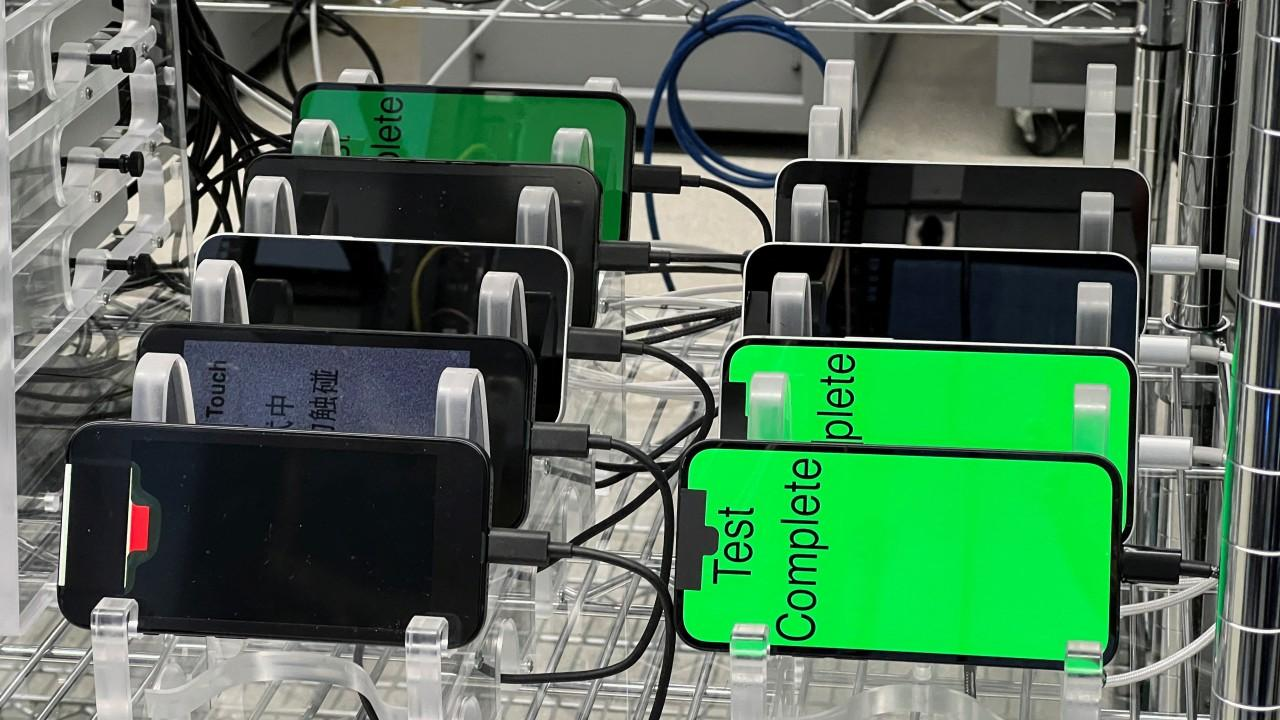
Any electronic device that emits radio frequencies must receive FCC authorization before it can be sold in the United States. This includes smartphones, tablets, laptops, Wi-Fi routers, Bluetooth accessories, smart home products, wearables, and even many modern household gadgets.
The certification process verifies several critical technical standards, including:
- Radio frequency emissions
- Wireless network compatibility
- Signal interference compliance
- Safety and communication standards
Without FCC certification, a product cannot legally enter the US consumer market.
According to the FCC, roughly 75% of devices sold in the US currently rely on testing performed in Chinese laboratories. Many of these facilities are located close to manufacturing centers and research-and-development hubs, especially in Shenzhen and other major Chinese electronics regions.
This proximity has long allowed manufacturers to move quickly from development to testing and then to mass production, helping reduce costs and accelerate product launches.
The FCC’s New Proposal Explained
The FCC voted unanimously to move forward with a proposal that would prevent all laboratories in China and Hong Kong from certifying devices intended for the US market.
The regulator says the move is rooted in national security concerns tied to China’s role in global electronics manufacturing and telecommunications infrastructure.
The proposed rule expands on the FCC’s earlier “Bad Labs” initiative, which initially focused on laboratories associated with companies already deemed security risks by the US government, including firms linked to Huawei and ZTE. The latest proposal goes significantly further by targeting all Chinese and Hong Kong testing labs, regardless of ownership.
FCC Chair Brendan Carr reportedly argued that allowing potentially untrustworthy laboratories to certify electronics for the US market creates a major loophole in America’s technology security framework.
The agency has also proposed a second rule that could prohibit testing in countries lacking a Mutual Recognition Agreement (MRA) with the United States. MRAs allow countries to mutually accept each other’s testing results. China currently does not have such an agreement with the US.
A Public Comment Period Comes Next
The proposal is not yet final.
Before implementation, the FCC will open a public comment period expected to last between 30 and 90 days, depending on the specific proceeding. Industry groups, manufacturers, consumers, and testing organizations will be able to submit feedback and recommendations.
The FCC may revise elements of the proposal after reviewing public responses.
Even if approved, the transition will not happen overnight. A two-year grace period is expected to allow manufacturers time to adapt their certification and logistics operations. Devices already certified would likely remain unaffected during this period. Older models from Apple, Samsung, and Google may simply be phased out instead of going through expensive re-certification processes.
Why the Industry Is Concerned
The electronics industry’s biggest concern is logistical disruption.
Currently, many testing labs sit close to the factories where devices are assembled. Engineers can quickly modify prototypes, rerun tests, and finalize products without needing international transport. This efficiency is one reason China became the world’s dominant electronics manufacturing center.
If Chinese labs lose FCC recognition, manufacturers may need to ship devices to countries such as Taiwan, South Korea, Singapore, Europe, or even the United States for testing before products can legally enter the US market.
That change could create several challenges:
Higher Certification Costs
Chinese labs reportedly charge between $400 and $1,300 for basic FCC testing. Comparable testing in the United States can cost between $3,000 and $4,000.
For smaller manufacturers, those costs could become significant.
Slower Product Launches
Moving hardware between countries for testing introduces transportation delays and scheduling bottlenecks. Smaller companies without large compliance teams may struggle the most.
Supply Chain Complexity
Many companies designed their manufacturing systems around Chinese testing infrastructure. Relocating certification processes may require major operational changes.
Potential Consumer Price Increases
Additional logistics, certification fees, and compliance costs could eventually reach consumers through higher retail prices for smartphones and electronics.
Large Brands May Adapt Faster Than Smaller Companies
Major technology firms like Apple, Samsung, Sony, and LG are expected to have enough financial and operational flexibility to redirect testing to approved facilities in other countries.
Some multinational testing companies already operate facilities outside China, including in Europe, Taiwan, and the United States. Those existing networks may help soften the transition for larger corporations.
Smaller hardware startups and budget device makers, however, may face more severe difficulties. Delays in certification could affect launch schedules, inventory planning, and market competitiveness.
For companies operating on thin margins, even small increases in compliance costs could become problematic.
The Broader Geopolitical Context
The proposed restrictions are part of a larger technology and security conflict between the United States and China.
Over the past several years, Washington has increasingly tightened regulations surrounding Chinese technology firms, telecommunications infrastructure, semiconductors, routers, and networking equipment. The FCC has previously moved against products tied to companies considered security risks by the US government.
Critics of the proposal argue that focusing solely on testing laboratories may not fully address broader supply chain concerns, especially since much of the world’s electronics manufacturing still occurs in China.
As one analysis noted, if there are national security concerns surrounding Chinese testing facilities, similar concerns could theoretically extend to Chinese manufacturing facilities themselves.
China has also reacted negatively to the proposal. Reports indicate that China’s Commerce Ministry described the move as discriminatory and warned that it could respond if the ban becomes official.
Could the Global Electronics Industry Shift Away From China?
While the proposal focuses specifically on FCC testing, it may accelerate a broader trend already underway: diversification away from China.
In recent years, many electronics manufacturers have expanded production into countries such as:
- India
- Vietnam
- Mexico
- Thailand
- Malaysia
Concerns over tariffs, geopolitics, supply chain resilience, and manufacturing concentration have already encouraged companies to seek alternatives to China-based operations.
If FCC testing restrictions become permanent, manufacturers may have stronger incentives to relocate not only testing but also portions of assembly and product development closer to approved certification facilities.
That transition, however, would likely take years and require substantial investment.
What Happens Next?
The next major milestone will be the FCC’s public consultation process. Industry stakeholders are expected to push for clarifications, exemptions, and extended transition timelines.
Several questions remain unresolved:
- Which countries will become alternative testing hubs?
- Will enough non-Chinese labs exist to handle global demand?
- How quickly can manufacturers restructure certification workflows?
- Will higher testing costs significantly affect consumer prices?
The answers could shape the future of the global electronics market.
A Turning Point for Global Tech Certification
The FCC’s proposed ban on Chinese testing labs represents far more than a technical regulatory update. It signals a major shift in how governments view the security risks associated with global electronics supply chains.
For consumers, the immediate impact may be limited. Smartphones and other electronics will still reach store shelves. But behind the scenes, manufacturers could face longer approval cycles, rising costs, and complicated logistical hurdles.
For the technology industry, the proposal may become another milestone in the gradual restructuring of the global electronics ecosystem — one increasingly shaped not just by efficiency and cost, but by geopolitics and national security.