

Alice Weidel: Power, Controversy, and Strategy in Modern German Politics
A Defining Figure in Germany’s Far-Right Landscape
Alice Weidel has emerged as one of the most influential—and polarizing—figures in contemporary German politics. As Federal Chairperson and Parliamentary Group Co-Leader of the Alternative für Deutschland (AfD), she operates at the center of a party navigating both electoral gains and persistent controversy.
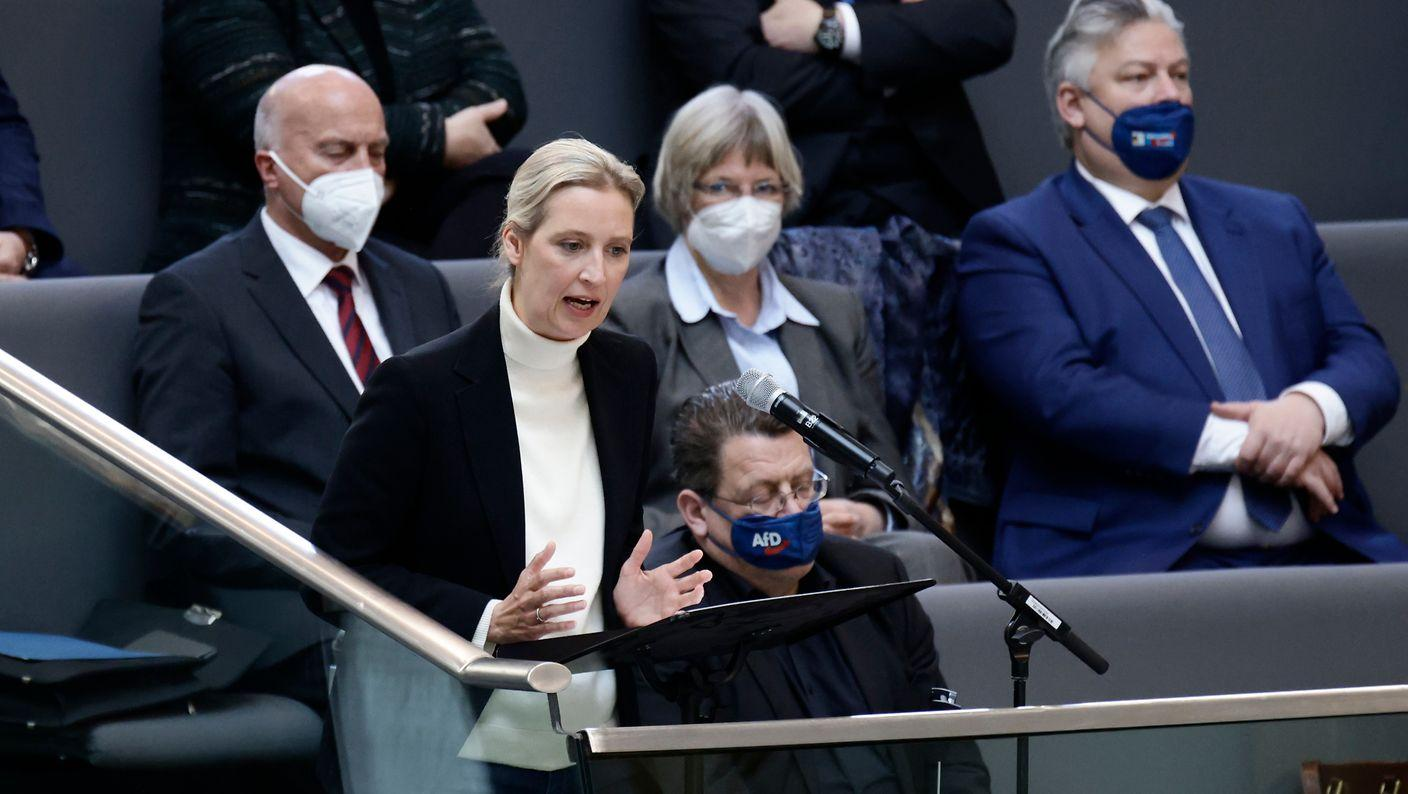
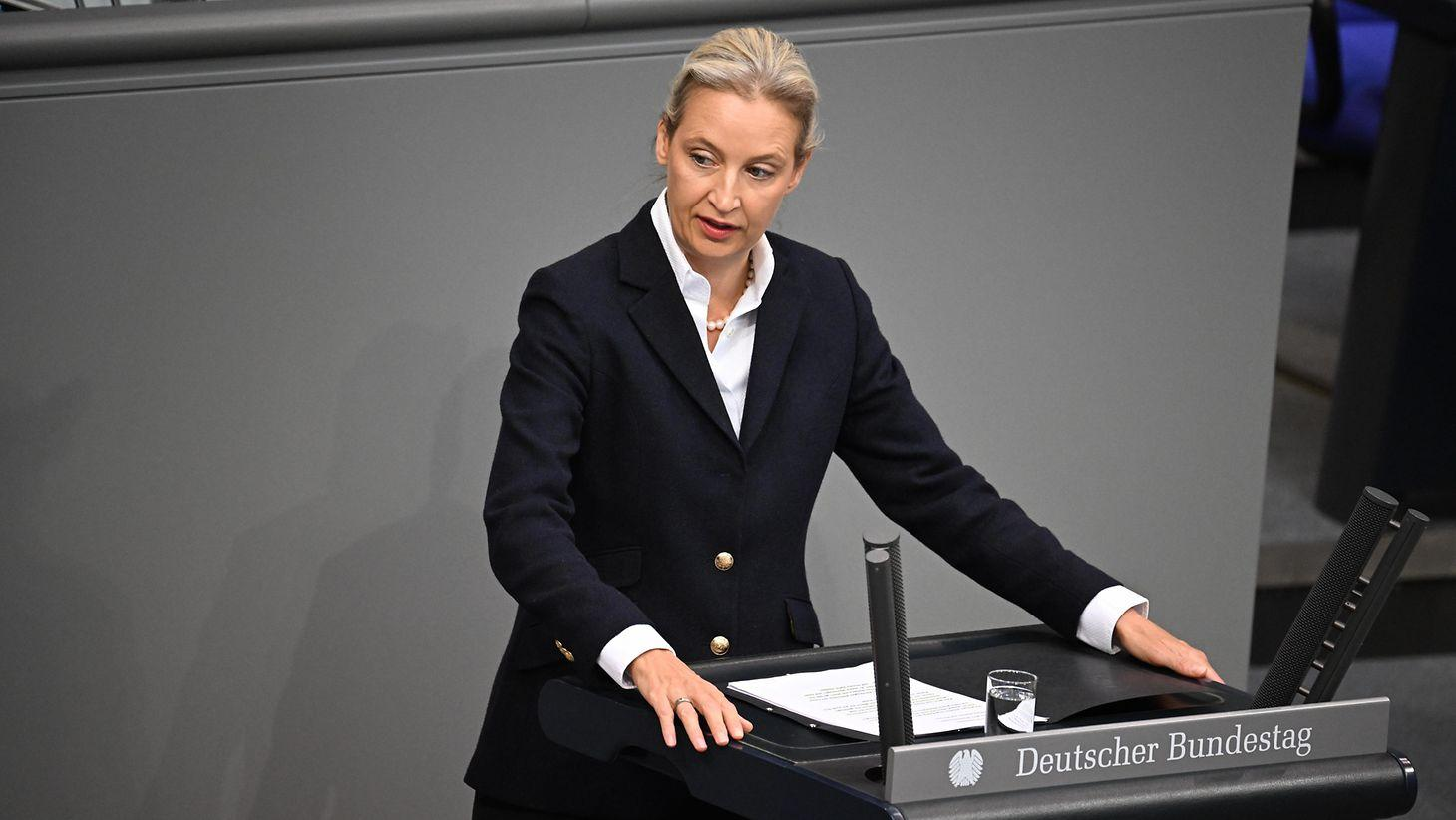
Recent developments in April 2026, including her public statements in the Bundestag alongside co-leader Tino Chrupalla, underscore her role not just as a party figurehead but as a strategic voice shaping AfD’s positioning amid shifting geopolitical tensions.
This article examines Weidel’s political trajectory, recent developments, and the broader implications of her leadership in Germany and beyond.
Political Context: A Party Between Growth and Scrutiny
The AfD has undergone a dramatic transformation over the past decade—from a Eurosceptic party to a broader far-right movement. Under Weidel’s co-leadership, the party achieved a significant milestone in federal elections, securing 20.8% of the vote and 152 seats in parliament, making it the second-largest political force.
However, this rise has been accompanied by intense scrutiny. Germany’s domestic intelligence agency classified the party as right-wing extremist in certain contexts, citing concerns about ideology incompatible with democratic principles. In response, the AfD pursued legal action, leading to a temporary court injunction preventing the use of the “extremist” label.
Weidel described this ruling as:
“a major victory not only for the AfD but also for democracy and the rule of law”
This statement reflects a broader strategy: reframing institutional criticism as political overreach while reinforcing the party’s legitimacy among supporters.
The Trump Factor: Alignment and Divergence
Early Alignment with U.S. Populism
The AfD has historically aligned itself with global populist movements, particularly those associated with Donald Trump. Shared positions on immigration, skepticism toward climate policy, and criticism of the European Union created a natural ideological bridge.
Party figures maintained close ties with U.S. conservative networks, with visits to Washington and participation in international political exchanges.
Strategic Distancing Amid Geopolitical Tensions
Recent events have introduced a more complex dynamic. The escalation of conflict involving Iran has triggered internal divisions within the AfD and prompted a recalibration of its external alliances.
Weidel publicly criticized Trump’s actions, stating:
“Trump has broken a fundamental electoral promise: not to interfere in other states”
This marks a notable shift. While some within the party continue to support U.S. actions, Weidel and parts of the leadership have adopted a more cautious stance, particularly in light of:
- Concerns over international law
- Electoral sensitivities in Germany
- Growing public unease over foreign intervention
Reports indicate that Weidel has urged party members to limit travel and engagement with U.S. actors, signaling a deliberate effort to reposition the AfD’s image domestically.
Internal Divisions: Competing Visions Within the AfD
The Iran conflict has exposed ideological fault lines within the party:
- Weidel and Chrupalla’s camp: Critical of military escalation and cautious about alignment with foreign powers
- Hardline voices: More supportive of U.S. actions and assertive foreign policy
This internal tension reflects a broader strategic dilemma: whether to maintain strong transatlantic populist ties or prioritize domestic electoral considerations.
The debate extends to defense policy as well. Chrupalla’s call for the withdrawal of U.S. troops from Germany—currently numbering over 35,000 personnel—has sparked criticism even within the party. Opponents argue that Germany lacks the capacity to independently fulfill its NATO obligations.
Electoral Calculations: Politics Behind the Messaging
Political analysts interpret recent shifts in Weidel’s rhetoric as closely tied to upcoming regional elections in:
- Saxony-Anhalt
- Berlin
- Mecklenburg-Western Pomerania
These regions, particularly in eastern Germany, have distinct political dynamics, including:
- Stronger skepticism toward U.S. influence
- Sensitivity to economic pressures such as rising fuel prices
- Historical context shaped by the former East Germany
Maintaining visible proximity to U.S. leadership—especially during a controversial conflict—could risk alienating key voter segments.
Weidel’s repositioning can therefore be understood as a calibrated electoral strategy, balancing ideological consistency with pragmatic adaptation.
Leadership Style: Discipline, Messaging, and Control
Weidel’s leadership approach is characterized by:
- Message discipline: Coordinating public statements to maintain a unified narrative
- Strategic ambiguity: Allowing room for internal diversity while steering overall direction
- Institutional engagement: Leveraging parliamentary platforms to legitimize the party’s role
Her appearances in the Bundestag, including the April 2026 parliamentary group meeting, illustrate her central role in articulating party positions during moments of heightened political tension.
Broader Implications: Germany and the European Far Right
Weidel’s actions resonate beyond Germany. The AfD is part of a wider European trend in which far-right parties are gaining electoral ground while facing institutional resistance.
Key implications include:
1. Normalization vs. Isolation
The AfD’s electoral success challenges the longstanding “firewall” policy among mainstream German parties, which have refused cooperation with far-right groups.
2. Transnational Populism Under Strain
The evolving relationship with U.S. political actors suggests that international populist alliances are not monolithic and can fracture under geopolitical pressure.
3. Democratic Institutions Under Pressure
Legal battles over classification and surveillance highlight tensions between political movements and state institutions tasked with safeguarding democratic order.
What Comes Next?
Looking ahead, several developments will shape Weidel’s trajectory:
- Court rulings on the AfD’s classification status
- Regional election outcomes and their impact on national politics
- Internal party cohesion amid ideological divisions
- Germany’s foreign policy stance in an increasingly unstable global environment
Weidel’s ability to navigate these factors will determine not only her political future but also the broader direction of the AfD.
Conclusion: A Political Balancing Act
Alice Weidel stands at a critical intersection of ideology, strategy, and power. Her recent efforts to distance the AfD from controversial international alliances while maintaining its core identity reflect a sophisticated, if contentious, political calculus.
As Germany confronts both domestic and global challenges, her leadership will remain a focal point in debates about democracy, nationalism, and the future of European politics.


