

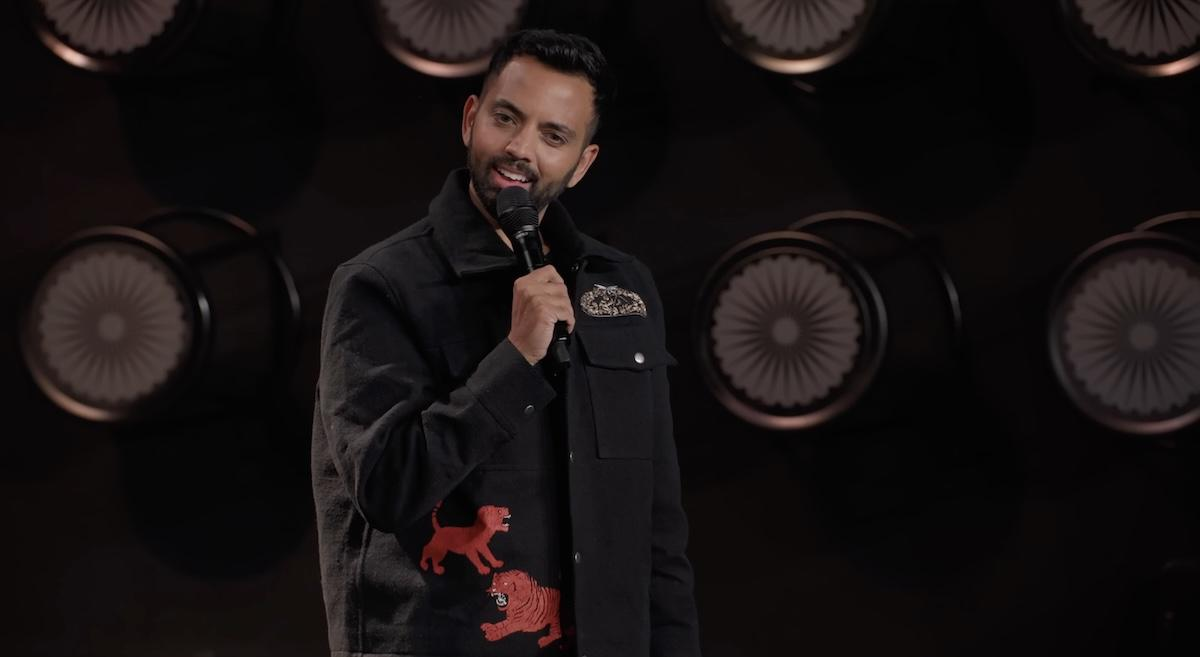
Akaash Singh: From Rejected Applicant to Radio City Headliner
The Comedian Redefining His Own Narrative
In 2026, Akaash Singh stands at a pivotal point in his career—one defined not just by success, but by transformation. From applying for a radio job nearly a decade ago to commanding one of the most prestigious stages in American entertainment, Singh’s trajectory reflects a broader shift in how comedians build influence, connect with audiences, and control their creative output.
His story is not linear. It is shaped by risk, reinvention, and an unapologetically bold comedic voice that resonates across platforms—from live performances to digital content reaching millions.
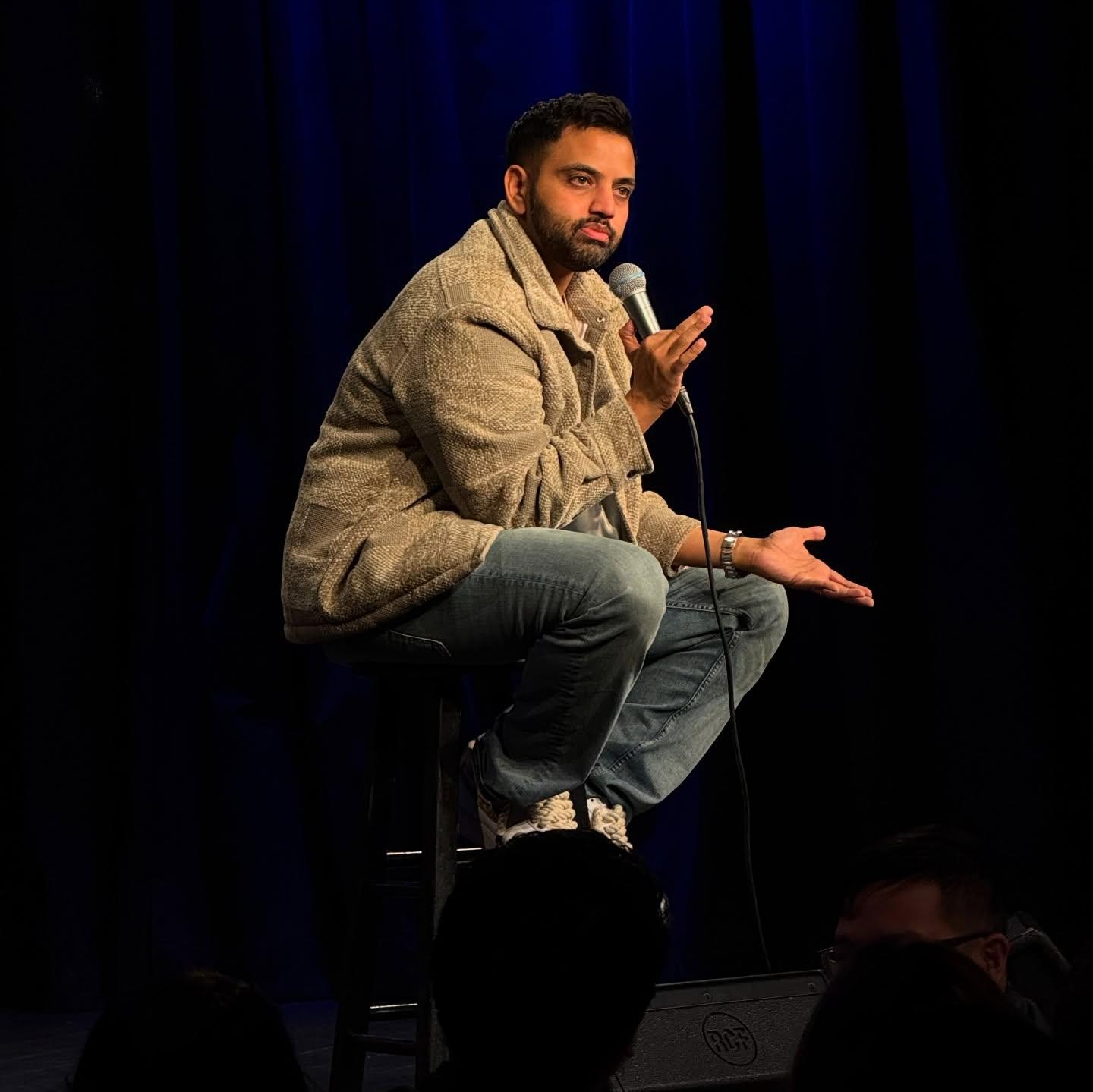
A Full-Circle Moment on the Airwaves
During a recent appearance on Elvis Duran and the Morning Show, Singh revealed a detail that reframed his journey in stark terms: he had applied for a full-time role on the show back in 2018.
At the time, he was pursuing the position now held by Medha Gandhi. The application did not lead to a job, but it marked a moment of ambition—one that contrasts sharply with his current standing as a headlining comedian.
That interview, conducted while promoting his upcoming performance, highlighted more than nostalgia. It showcased a career evolution—from an aspiring media personality to a performer capable of filling major venues.
Singh also discussed his approach to crowd work, emphasizing adaptability and engagement, while maintaining his signature irreverence through lighthearted exchanges with the show’s cast.
The Radio City Benchmark
The immediate focus of Singh’s current momentum is his performance at Radio City Music Hall—a venue widely regarded as a benchmark for mainstream success in comedy.
Scheduled as part of his Generational Triumph Tour, the show represents more than another stop on a national circuit. It signifies entry into a tier historically reserved for established, high-demand performers.
Key details surrounding the event underscore its importance:
- A 6,000+ seat capacity, positioning it among the largest indoor venues for live comedy
- Strategic placement in New York City, a critical market for comedic credibility
- Backing from major industry players, including large-scale promoters
The performance is framed not as a culmination, but as a proving ground—where digital popularity meets live audience validation.
The Digital Engine Behind the Rise
Singh’s ascent cannot be understood without examining his digital footprint. His content ecosystem—spanning stand-up specials, YouTube clips, and podcasting—has generated nearly 2 billion views, a figure that places him among the most widely consumed comedians globally.
Central to this growth is the podcast Flagrant, co-hosted with Andrew Schulz. The show blends comedy with commentary on culture and politics, attracting a dedicated and highly engaged audience.
His 2024 special “Gaslit”, which surpassed 6 million views, illustrates his ability to convert online reach into sustained audience interest.
Equally significant is his earlier project, Bring Back Apu, which he self-produced and directed. This move established Singh as a creator willing to bypass traditional gatekeepers, opting instead for direct-to-audience distribution—a strategy increasingly common among modern comedians.
The Evolution of a Comedic Voice
Singh’s comedic identity is rooted in confrontation—of ideas, stereotypes, and generational tensions. His material frequently addresses:
- South Asian identity in Western culture
- Political correctness and cancel culture
- Generational divides and social expectations
Rather than moderating his tone for broader appeal, Singh leans into discomfort as a tool for engagement. His own promotion for the tour reflects this approach:
“Come see me risk my career on the Generational Triumph tour.”
This framing positions comedy not as entertainment alone, but as a space for cultural interrogation.
From Pre-Med to Performance
Singh’s background adds another layer to his narrative. Born in Dallas, Texas in 1984, he initially pursued a pre-med path at Austin College between 2002 and 2006.
The decision to pivot from medicine to comedy represents a fundamental shift—from a conventional, structured profession to an unpredictable creative industry. Early performances at talent shows evolved into television appearances on programs such as Guy Code and Wild ‘N Out, eventually establishing him as a recognizable figure in mainstream entertainment.
This trajectory underscores a recurring theme in his career: rejecting established pathways in favor of self-directed growth.
The Industry Context: A New Model for Comedians
Singh’s rise reflects broader changes within the comedy industry. Traditional career ladders—television deals, network specials, and studio-backed tours—are no longer the sole routes to prominence.
Instead, comedians increasingly rely on:
- Direct audience engagement through social media and podcasts
- Independent production of specials
- Touring strategies that leverage digital fanbases
Singh embodies this model. His ability to translate online visibility into sold-out venues demonstrates the viability of a hybrid approach—one that combines digital scale with live performance credibility.
What Comes Next?
The significance of Singh’s current moment lies not only in his achievements, but in what they suggest about the future.
His Radio City performance represents a convergence of multiple forces:
- Digital influence reaching its physical peak
- Independent content creation gaining mainstream validation
- A comedic voice willing to challenge boundaries rather than conform to them
If successful, it reinforces a model where comedians can maintain creative control while achieving large-scale recognition.
Conclusion: A Career Defined by Momentum
Akaash Singh’s journey—from a rejected radio applicant in 2018 to a headline act at Radio City Music Hall in 2026—captures a broader narrative about persistence, adaptation, and control over one’s creative direction.
His story is not built on a single breakthrough moment, but on a series of calculated risks: leaving a traditional career path, investing in independent production, and embracing a provocative comedic style.
At this stage, Singh is no longer emerging—he is consolidating his position. The question is no longer whether he belongs among comedy’s leading voices, but how far his influence will extend as the industry continues to evolve.


