




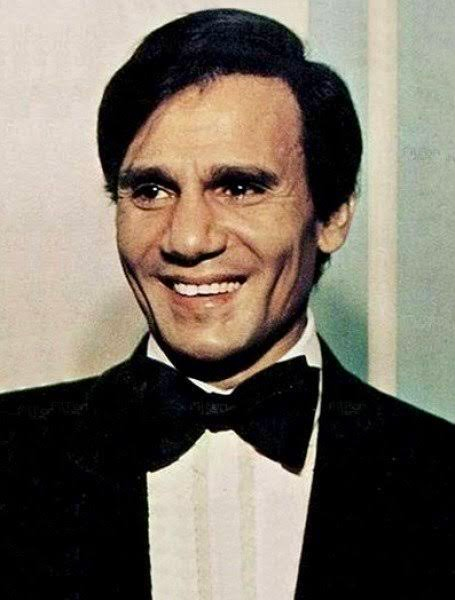
Abdel Halim Hafez: The Voice That Still Echoes Across Generations
A Legacy Reawakened in 2026
Nearly five decades after his passing, the name Abdel Halim Hafez continues to command attention across the Arab world. On March 30, 2026, Egypt once again pauses to commemorate the anniversary of the “Dark-Skinned Nightingale,” a figure whose music transcends time, politics, and generational divides.
- A Legacy Reawakened in 2026
- The Commemoration: A Day Dedicated to the Nightingale
- From Orphanhood to Icon: A Life Forged in Hardship
- Reinventing Arabic Music: A New Emotional Language
- The Voice of a Nation: Politics, Patriotism, and Identity
- Cinema and Cultural Expansion
- Illness, Struggle, and a Tragic End
- Why Abdel Halim Hafez Still Matters Today
- Conclusion: A Voice That Refuses to Fade
This year’s remembrance is not merely ceremonial. Cultural institutions, radio stations, and music platforms have revived rare recordings, performances, and archival materials—offering audiences both nostalgia and renewed insight into one of the most influential voices in Arabic music history.
The sustained public interest surrounding Abdel Halim Hafez is not accidental; it reflects a deeper cultural phenomenon where memory, identity, and music converge.
The Commemoration: A Day Dedicated to the Nightingale
Across Egypt, multiple institutions are marking the anniversary with carefully curated programming that reflects both the breadth and depth of Hafez’s artistic output.
Radio stations are dedicating entire broadcast schedules to his legacy, beginning with light and early songs in the morning and progressing into more complex romantic and patriotic works throughout the day. Rare recordings—including previously unaired archival material—are being introduced to listeners for the first time.


Among the highlights:
- A curated block of romantic and national songs spanning decades
- Duets with iconic singer Shadia
- Broadcasts from the radio series “Please Don’t Misunderstand Me Quickly”
- A rare 1963 recording featuring Hafez visiting patients in a military hospital in Aswan
These curated segments illustrate not just his musical range, but his human side—his engagement with society, his empathy, and his presence beyond the stage.
Simultaneously, the Cairo Opera House is hosting live tribute concerts featuring modern performers interpreting his classics, demonstrating how his repertoire continues to inspire contemporary artists.
Meanwhile, his family has opted for a quieter commemoration, limiting the anniversary to a cemetery visit due to current circumstances, emphasizing reflection over public celebration.



From Orphanhood to Icon: A Life Forged in Hardship
The enduring emotional depth of Abdel Halim Hafez’s music cannot be separated from his early life.
Born Abdel Halim Ali Shabana on June 21, 1929, in Sharqia, Egypt, he experienced profound loss early—losing both parents within his first year.
Raised in modest conditions, his formative years were marked by hardship, illness, and emotional isolation. These experiences would later define the melancholic tone that became a signature of his artistry.
His journey into music began formally at the Arab Music Institute in Cairo, where he studied composition and developed technical mastery, particularly with the oboe. Before achieving fame, he worked as a music teacher in multiple cities—a grounding period that shaped both his discipline and musical sensibility.
His early rejection by audiences—especially for his unconventional, softer vocal style—nearly derailed his career. In one notable instance, he faced hostility during a performance in Alexandria.
Yet this resistance became a catalyst rather than a barrier. Over time, his distinct emotional delivery redefined expectations of Arabic singing.
Reinventing Arabic Music: A New Emotional Language
Abdel Halim Hafez’s artistic breakthrough came not from conforming, but from diverging.
At a time when Arabic music favored long, highly ornamented performances, he introduced a more intimate, emotionally direct style. His songs spoke plainly about love, longing, loss, and hope—connecting deeply with younger audiences.
Key early works such as:
- “Safini Marra”
- “Ala Qad El Shouq”
helped establish him as a new kind of voice—one that prioritized emotional authenticity over technical exhibition.
His collaborations with leading composers such as Mohamed El Mougy, Kamal El Tawil, and Baligh Hamdi expanded his musical vocabulary and solidified his influence.
Over his career, he recorded more than 230 songs, spanning romantic ballads, patriotic anthems, and religious pieces.
The Voice of a Nation: Politics, Patriotism, and Identity
Hafez’s music cannot be separated from the political transformations of mid-20th-century Egypt.
Following the 1952 revolution, he became closely associated with national identity and public sentiment. His songs were not merely entertainment—they were instruments of cultural expression and political messaging.
Notable patriotic works such as:
- “Hikayat Shaab”
- “Ady El Nahar”
- “Ahlef Bessamaha”
captured moments of national pride, struggle, and resilience.
His relationship with leadership figures, including Gamal Abdel Nasser, further positioned him as a symbolic voice of the era.
These songs extended beyond Egypt, resonating across the Arab world, particularly in contexts of independence movements and regional solidarity.
Cinema and Cultural Expansion
Hafez’s influence was not confined to music.
He starred in 16 films, integrating song and narrative in a way that broadened his reach. Works such as:
- Lahn El Wafaa (1955)
- Abi Fawq El Shagara (1969)
helped define the genre of musical cinema in Egypt.
These films addressed social themes—love, class, ambition—while simultaneously serving as vehicles for his music, expanding his audience across the Arab region.
Illness, Struggle, and a Tragic End
Behind the success was a prolonged personal battle.
Hafez suffered from schistosomiasis from a young age, which later developed into severe liver disease. He spent years undergoing treatment in Egypt and abroad, often performing despite serious health complications.
On March 30, 1977, he died in London at the age of 47.
His funeral in Cairo drew more than 2.5 million mourners—one of the largest public funerals in Egyptian history—underscoring the profound emotional connection he had built with his audience.
Why Abdel Halim Hafez Still Matters Today
The persistence of Abdel Halim Hafez’s relevance lies in several factors:
1. Emotional Universality
His songs address timeless human experiences—love, heartbreak, hope.
2. Cultural Identity
His work is deeply embedded in the historical and political narrative of modern Egypt.
3. Artistic Innovation
He reshaped the structure and delivery of Arabic music.
4. Intergenerational Appeal
His recordings continue to circulate across radio, streaming platforms, and live reinterpretations.
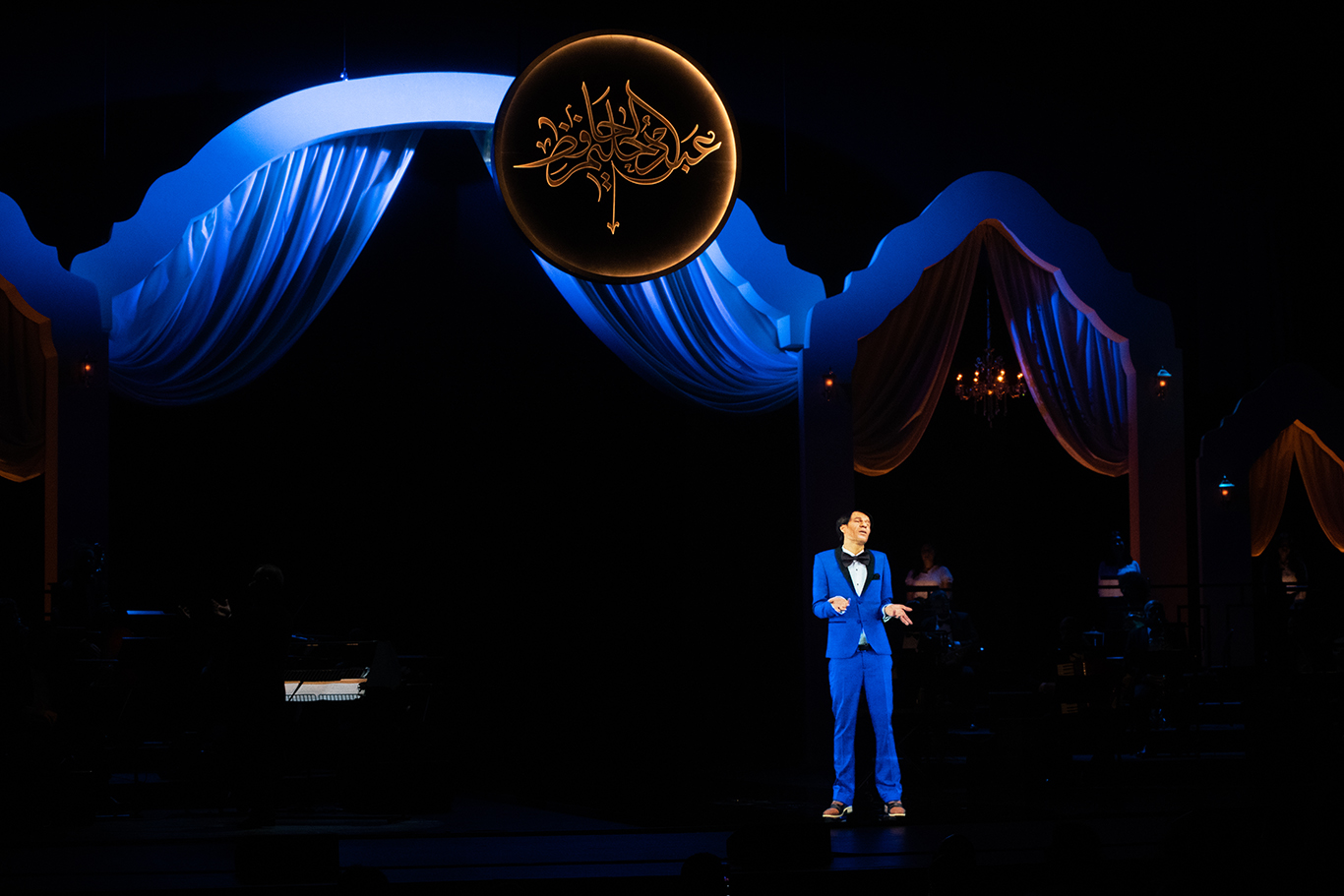
Modern technologies—such as hologram performances—are even reintroducing his presence to new audiences, demonstrating the adaptability of his legacy.
Conclusion: A Voice That Refuses to Fade
The continued commemoration of Abdel Halim Hafez in 2026 is not simply about honoring a past icon. It reflects an enduring relationship between art and collective memory.
His life—marked by hardship, innovation, and emotional expression—produced a body of work that remains deeply relevant. Whether through archival broadcasts, opera performances, or quiet remembrance at his grave, the “Nightingale” continues to sing—long after the final note.