

SASSA Payment Dates for May 2026: What Beneficiaries Need to Know
A Practical Guide to Grant Schedules, Payments, and What Comes Next
Millions of South Africans rely on social grants distributed by the South African Social Security Agency (SASSA) each month. As May 2026 approaches, clarity around payment schedules has become critical—especially after recent disruptions and growing concerns about accessibility, system efficiency, and beneficiary support.
This guide provides a comprehensive breakdown of SASSA payment dates for May 2026, explains how the system works, and outlines what beneficiaries should expect throughout the month.
Confirmed SASSA Payment Dates for May 2026
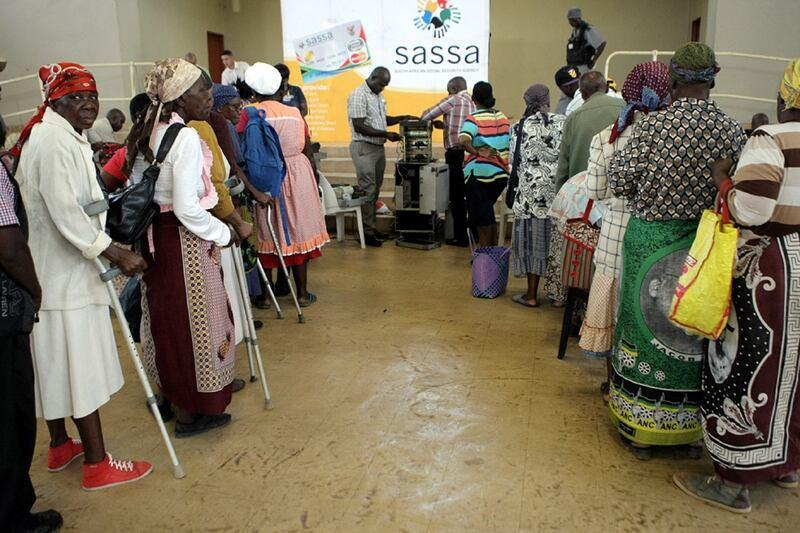
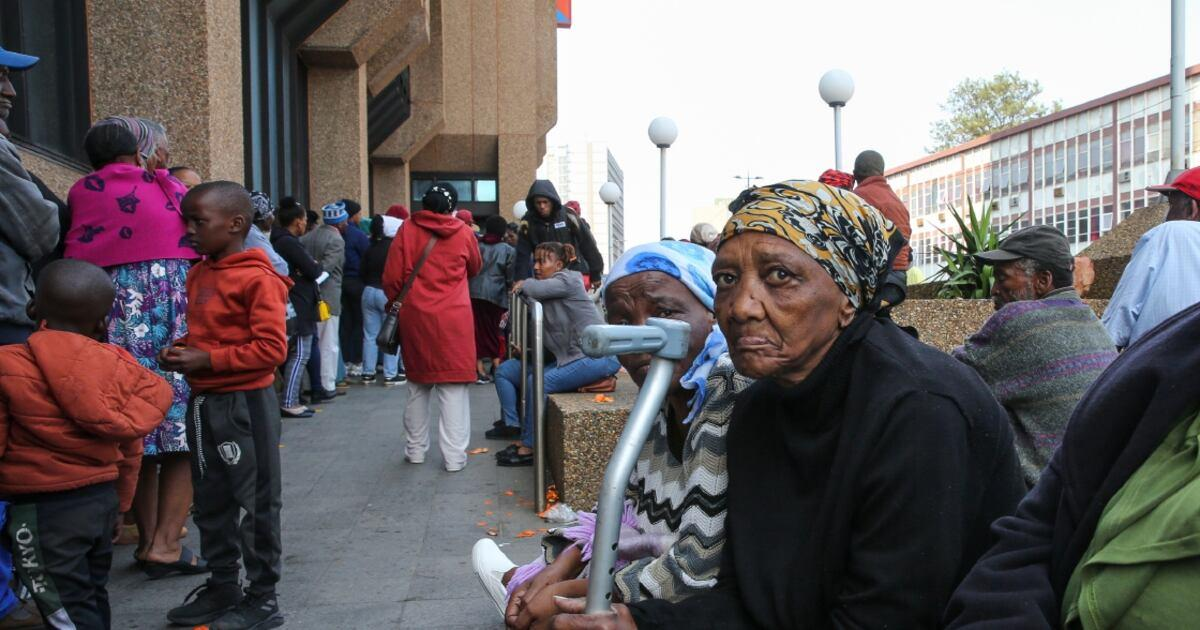
SASSA has officially released the payment schedule for May 2026, following its structured monthly rollout system. Payments are staggered across several days to ensure orderly distribution and reduce congestion at collection points.
Here are the confirmed dates:
- Older Persons Grant (including War Veterans): Tuesday, 5 May 2026
- Disability Grant & Care Dependency: Wednesday, 6 May 2026
- Child Support, Foster Child & Grant-in-Aid: Thursday, 7 May 2026
- SRD R370 Grant: Paid between 24 May and 30 May 2026
These dates align with the agency’s long-standing pattern of prioritising older persons first, followed by disability beneficiaries and then children’s grants.
Why SASSA Uses a Staggered Payment System
The phased payment approach is not arbitrary—it is a deliberate operational strategy.
SASSA distributes grants in stages each month to:
- Reduce overcrowding at ATMs and retail pay points
- Improve safety for vulnerable beneficiaries
- Ensure smoother processing across banking systems
This system begins with older persons, who are considered among the most vulnerable, followed by disability grant recipients and then families receiving child-related support.
The same pattern is consistently applied across the financial year, as confirmed in the 2026/2027 payment schedule. Payments generally occur within the first week of each month.
Understanding the SRD R370 Grant Payment Cycle
Unlike other grants, the Social Relief of Distress (SRD) R370 grant operates differently.
No Fixed Payment Date
SRD payments:
- Do not have a single fixed payout day
- Are processed in batches
- Depend on individual application status and verification
For May 2026, payments are scheduled between 24 May and 30 May, typically on business days.
Why Payments Vary
Each applicant undergoes monthly eligibility checks, including:
- Income verification
- Identity confirmation
- Cross-checks with government databases
Because of this, approval timelines differ for each recipient.
Statuses are usually finalised after mid-month, with payments following shortly after.
What Beneficiaries Should Do If Payments Are Delayed
If your grant does not arrive within the expected timeframe, the first step is to verify your status.
You can check your SRD or grant status through:
- The official SASSA website portal
- USSD services (12069277#)
- WhatsApp support
- SASSA call centre
Statuses such as “Pending,” “Approved,” or “Paid” indicate where your application stands in the system.
Importantly, SASSA advises beneficiaries to wait until at least the second half of the month before raising concerns about SRD payments, as verification processes may still be ongoing.
System Modernisation: What’s Changing in 2026
SASSA is actively working to modernise its grant system to improve efficiency and accessibility.
Key Updates Include:
- Compulsory biometric enrolment for new applications
- e-Life Certification, allowing remote verification
- Expansion of self-service digital platforms
SASSA chief executive officer Themba Matlou confirmed that the agency aims to extend grant review processes to digital platforms, reducing the need for physical visits and long queues.
These changes are designed to:
- Improve fraud detection
- Simplify compliance processes
- Enhance user convenience
Lessons from Recent Payment Challenges
The rollout of May payments comes after a difficult April cycle, which saw disruptions linked to public holidays and administrative delays.
During the Easter period:
- Multiple non-banking days caused payment delays
- Communication gaps created confusion among beneficiaries
- Some recipients reported missing critical payments during the holiday period
Officials later attributed these issues to “administrative issues” within the National Treasury, highlighting the complexity of managing large-scale social welfare systems.
Legal Responsibilities for Grant Recipients
Receiving a SASSA grant is not unconditional—beneficiaries must comply with legal requirements.
Under the Social Assistance Act of 2004, recipients must:
- Disclose all sources of income
- Report any changes in personal circumstances
- Update contact details and financial information
Failure to comply may result in:
- Suspension of payments
- Permanent lapsing of grants
As SASSA warns, ongoing eligibility depends on accurate and updated information.
What This Means for South Africans
SASSA grants remain a lifeline for millions, supporting:
- Elderly citizens
- People living with disabilities
- Low-income households and caregivers
The structured payment system ensures predictability, but recent disruptions and ongoing reforms underscore the need for continuous improvement.
With digital transformation underway and payment systems stabilising, May 2026 represents a return to a more predictable schedule—something beneficiaries have been urgently awaiting.
Conclusion: Staying Informed Is Key
The SASSA payment dates for May 2026 provide a clear roadmap for beneficiaries navigating the grant system this month.
From early payments for older persons to late-month SRD disbursements, understanding the schedule—and how the system works—is essential to avoiding confusion and delays.
As SASSA continues to modernise and refine its operations, beneficiaries are encouraged to stay informed, regularly check their status, and ensure their personal information remains up to date.


