

A Royal Bridge Across the Atlantic: Inside King Charles and Queen Camilla’s Defining U.S. Visit
A Visit Beyond Ceremony
For four days in April 2026, King Charles III and Queen Camilla undertook a high-profile state visit to the United States—one that blended tradition, diplomacy, and cultural symbolism at a moment of geopolitical strain. Far from being a routine royal tour, the visit unfolded against a backdrop of tensions between Washington and London over international conflicts, while also marking the 250th anniversary of American independence.
From Washington, D.C., to New York City and the quiet landscapes of Virginia, the royal couple’s journey revealed how monarchy—often viewed as symbolic—can still play a meaningful role in shaping international relationships and public sentiment.
Diplomacy in Motion: Washington Sets the Tone
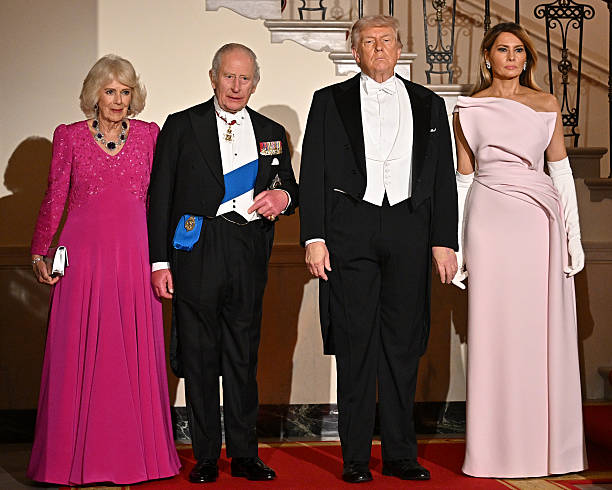
The visit began with formal engagements in the U.S. capital, where King Charles and Queen Camilla were welcomed at the White House. A state dinner and a rare address to Congress positioned the King not just as a ceremonial figure, but as a diplomatic voice.
In his speech, King Charles emphasized unity and democratic values, stating that despite “an age of uncertainty and conflict in Europe and the Middle East,” the United Kingdom and the United States would remain “staunch allies united in defending democracy.”
The message resonated widely across the American political spectrum. Observers noted that the King’s remarks, which blended humor, history, and subtle commentary, were both well-received and carefully calibrated.
Even President Donald Trump—known for his candid and often combative style—adopted a notably diplomatic tone throughout the visit. Praising the longstanding ties between the two nations, he remarked on the shared heritage that shaped American values.
A Soft Power Moment in a Divided Nation
Perhaps one of the most striking aspects of the visit was its reception among the American public. In a deeply polarized political environment, the royal couple managed to capture broad attention and goodwill.
Television networks shifted away from their usual political programming to cover the visit’s pageantry. Crowds gathered in multiple cities, and public interest surged dramatically—online searches for King Charles increased by up to 50 times during key moments of the trip.
Royal expert Elizabeth Holmes described the fascination as rooted in “a combination of novelty and distance,” highlighting how the monarchy continues to hold a unique allure for American audiences.
Still, public opinion remains mixed. A 2024 YouGov poll showed that 42% of Americans held a favorable view of King Charles—significantly lower than the 67% approval once enjoyed by Queen Elizabeth II.
New York: Culture, Memory, and Public Engagement
Midway through the visit, the royal couple traveled to New York City, where their itinerary shifted from politics to culture and community engagement.
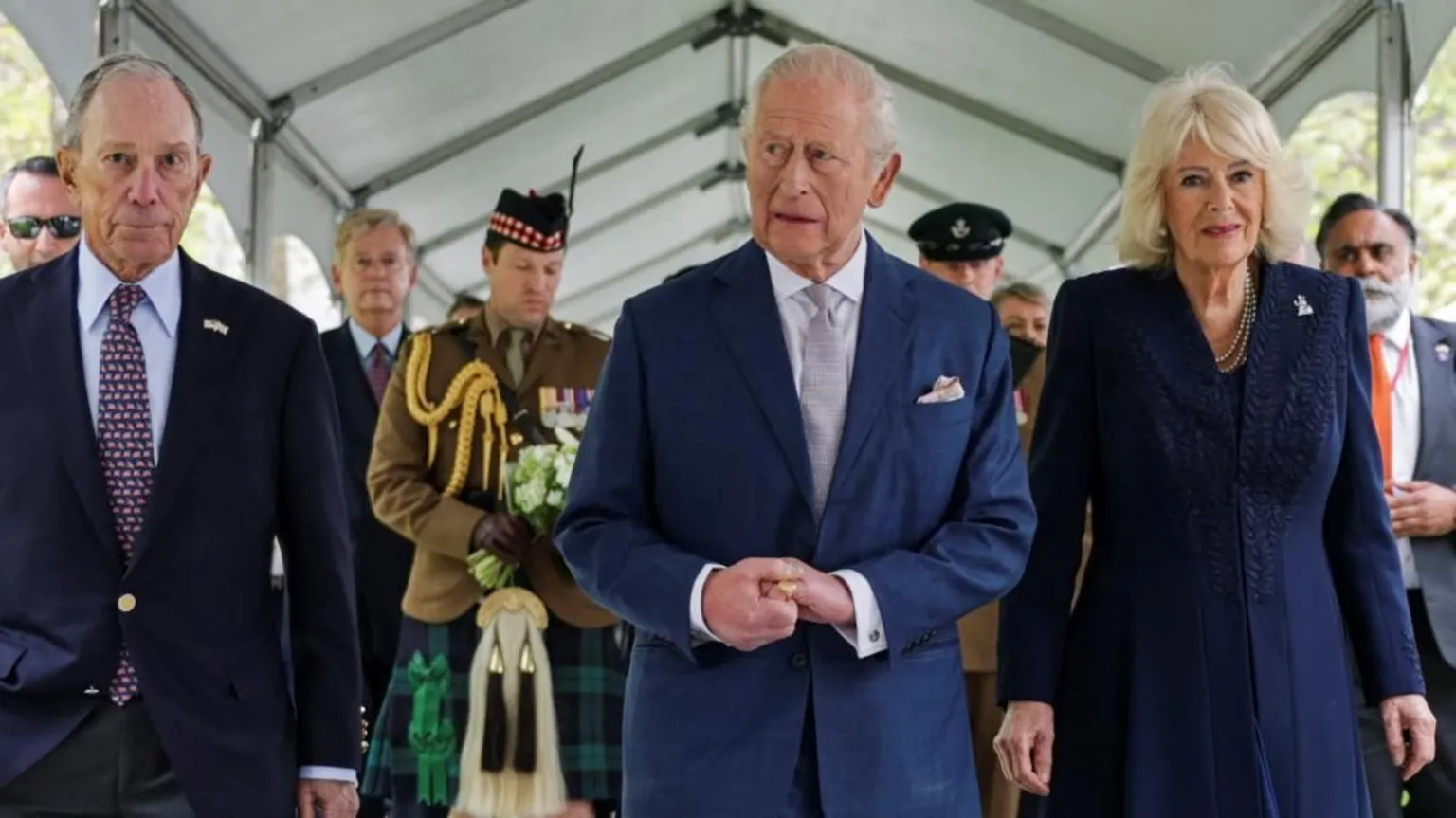
Their day began with a solemn tribute at the 9/11 Memorial, where they laid a bouquet in remembrance of the victims—including 67 British citizens who died in the attacks.
The King later visited Harlem, engaging with youth at an urban farm run by Harlem Grown, reinforcing his long-standing commitment to environmental sustainability and community development.
Meanwhile, Queen Camilla focused on literacy and the arts. At the New York Public Library, she promoted her initiative, the Queen’s Reading Room, and spoke passionately about the transformative power of books:
“The books are best friends you can have, in good times and bad.”
Their evening engagements included a high-profile reception with business leaders and a gala attended by cultural figures, underscoring the enduring ties between British and American creative industries.
Virginia: Connecting With Communities and Nature
The final leg of the tour took the royals to Virginia, where the tone shifted once more—this time toward grassroots engagement.
In Front Royal, thousands gathered for a glimpse of the King and Queen during a community block party tied to America’s 250th anniversary celebrations. The couple interacted with local residents, volunteers, and community organizations, creating a moment of shared celebration.
King Charles also visited Shenandoah National Park, meeting with conservation experts, students, and Indigenous representatives. The visit emphasized environmental stewardship and America’s natural heritage.
Queen Camilla, meanwhile, visited a horse farm linked to American equestrian culture, reflecting her personal interests and the shared traditions between the two nations.
A Gesture With Economic Impact
One of the most tangible outcomes of the visit came in the realm of trade. Shortly after the royal departure, President Trump announced the removal of tariffs on Scottish whisky—a move framed as a gesture of goodwill.
Buckingham Palace welcomed the decision, stating it would make “an important difference to the British whisky industry and the livelihoods it supports.”
Industry leaders on both sides of the Atlantic described the move as a significant step toward strengthening economic ties and supporting jobs, highlighting how symbolic diplomacy can translate into concrete policy shifts.
The Enduring Role of Monarchy in Modern Diplomacy
As King Charles and Queen Camilla departed the United States after their four-day tour, the broader significance of the visit became clear.
This was not merely a ceremonial trip. It was a carefully orchestrated exercise in soft power—leveraging history, culture, and personal diplomacy to reinforce alliances during uncertain times.
From a standing ovation in Congress to conversations with schoolchildren and farmers, the visit demonstrated the monarchy’s unique ability to operate across political, social, and cultural boundaries.
Conclusion: A Relationship Renewed
In an era defined by geopolitical tension and domestic divisions, the 2026 state visit of King Charles III and Queen Camilla offered a reminder of the enduring bond between the United Kingdom and the United States.
Through speeches, symbolic gestures, and direct engagement with communities, the royal couple helped reaffirm a partnership rooted not only in shared history but also in shared values.
While challenges remain in transatlantic relations, the visit suggests that even in the modern age, tradition and diplomacy—when combined effectively—can still shape the global narrative.


