
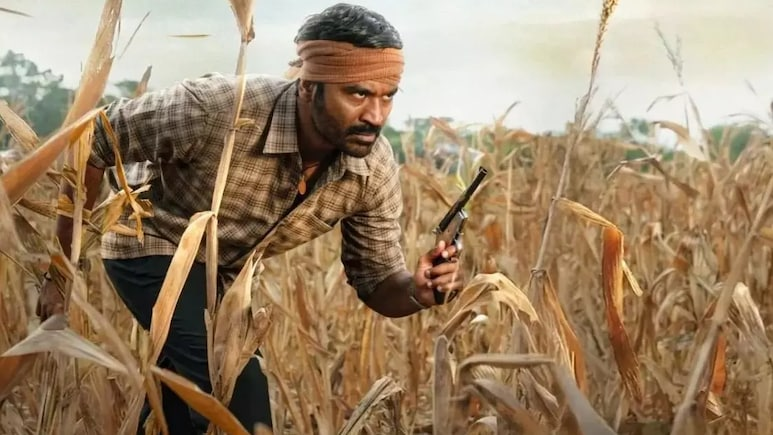
Kara Movie Review & Release Date: Inside the Hype, Reactions, and Reality of Dhanush’s Latest Thriller
A Film That Arrived With Expectations — and Immediate Reactions
The Tamil thriller Kara, starring Dhanush and directed by Vignesh Raja, officially released in theatres on April 30, 2026, instantly becoming one of the most talked-about films of the week.
From early morning shows to first-day-first-show screenings, audiences flooded cinemas and social media platforms, especially X (formerly Twitter), to share their impressions. The result? A film that sparked strong buzz—but also sharply divided opinions.
While some viewers hailed Kara as a gripping emotional thriller, others pointed to inconsistencies that prevent it from reaching its full potential. What emerges is a nuanced cinematic experience that thrives on performance but struggles with narrative balance.

The Story: A Slow-Burn Journey Through Crime, Redemption, and Family
Set in the early 1990s, Kara unfolds against the backdrop of socio-economic tensions in rural Tamil Nadu, particularly during the Gulf War era, which triggered economic distress and fuel shortages.
The film follows Karasaami, aka Kara (Dhanush)—a man with a troubled past who turns to crime early in life. After being caught in a heist, he attempts to rebuild his life, driven by the desire to protect his family and seek redemption. However, his return to his hometown forces him to confront unresolved relationships, particularly with his father, and pulls him into a larger conflict involving systemic injustice and financial struggles faced by farmers.
Blending elements of rural drama, heist thriller, and emotional storytelling, the narrative evolves over a tense 16-day period, weaving personal stakes with broader societal themes.
First Half: A Strong Opening That Hooks the Audience
Across reviews and audience reactions, one aspect stands out clearly—the film’s first half delivers impact.
Early viewers praised:
- A grounded and realistic opening
- Engaging heist sequences
- A gradual emotional build-up
- A “gripping interval block” widely described as the film’s highlight
Some even noted that after a slightly slow start, the film finds its rhythm, with the bank sequence before the interval emerging as a standout moment.
This portion successfully combines tension, character depth, and storytelling momentum—raising expectations for what follows.
Second Half: Where the Film Divides Opinion
If the first half unites audiences, the second half is where opinions split sharply.
Several viewers and critics pointed out:
- Pacing issues, particularly in emotional segments
- A tendency toward predictability in parts of the narrative
- A shift away from the core heist premise toward melodrama
Critics argued that the film struggles to maintain focus, becoming “formulaic” and unable to decide its central identity.
Another assessment highlighted that the story relies too heavily on its protagonist rather than a tightly structured plot, resulting in moments where the narrative “flickers” despite strong intentions.
In essence, Kara transitions from a sharp genre film into a more emotional, slower-paced drama—an evolution that resonates with some viewers but disappoints others.
Dhanush’s Performance: The Film’s Undisputed Strength
If there is one element that consistently earns universal praise, it is Dhanush’s performance.
Across platforms and reviews:
- He is described as delivering a “powerful and emotionally driven” portrayal
- Many fans called it one of his strongest performances in recent years
- Critics noted his ability to seamlessly shift between anger, vulnerability, and introspection
Dhanush essentially carries the film, anchoring its emotional weight and elevating scenes that might otherwise falter.
Supporting Cast and Technical Strengths
While Dhanush dominates the screen, the supporting cast also contributes meaningfully:
- K.S. Ravikumar delivers an emotionally impactful role as Kara’s father
- Karunaas adds natural humor and depth
- Mamitha Baiju, despite limited screen time, leaves a strong impression
From a technical perspective:
- G.V. Prakash Kumar’s music stands out, enhancing emotional and intense sequences
- The cinematography captures the gritty rural landscape effectively, reinforcing the film’s tone
These elements help sustain engagement, even when the narrative slows.
Social Media Verdict: Praise Meets Criticism
The online response to Kara reflects a classic case of split reception:
Positive Reactions
- Strong performances and emotional depth
- Engaging first half and interval twist
- Effective music and visuals
- Some fans calling it a “blockbuster” and “masterpiece”
Criticism
- Uneven pacing
- Predictable emotional arcs
- Overemphasis on sentiment over storytelling structure
Overall, the consensus positions Kara as a “well-crafted but slightly uneven thriller”—one that succeeds in moments but lacks consistent execution.
Box Office Buzz and OTT Future
Despite mixed reviews, Kara has opened with strong occupancy and significant buzz, aided by Dhanush’s star power and pre-release hype.
Early reports also suggest:
- Positive advance bookings (around ₹3.55 crore domestically)
- Expectations of a solid opening-day performance
- OTT rights reportedly acquired by Netflix, indicating a broader reach after theatrical release
Final Verdict: A Compelling Yet Imperfect Watch
Kara is a film that promises much—and delivers selectively.
It excels in:
- Performance
- Atmosphere
- Emotional intensity
But falters in:
- Narrative consistency
- Pacing
- Structural clarity
For audiences who enjoy slow-burn thrillers with strong character arcs, Kara offers a rewarding experience. For others seeking a tightly paced heist film, it may feel uneven.
In the end, Kara stands as a performance-driven film that sparks conversation, even if it doesn’t fully satisfy every expectation.


