


Drievliet Overcrowding: Inside the “Perfect Storm” at a Beloved Family Park
A Sudden Surge That Took Visitors by Surprise
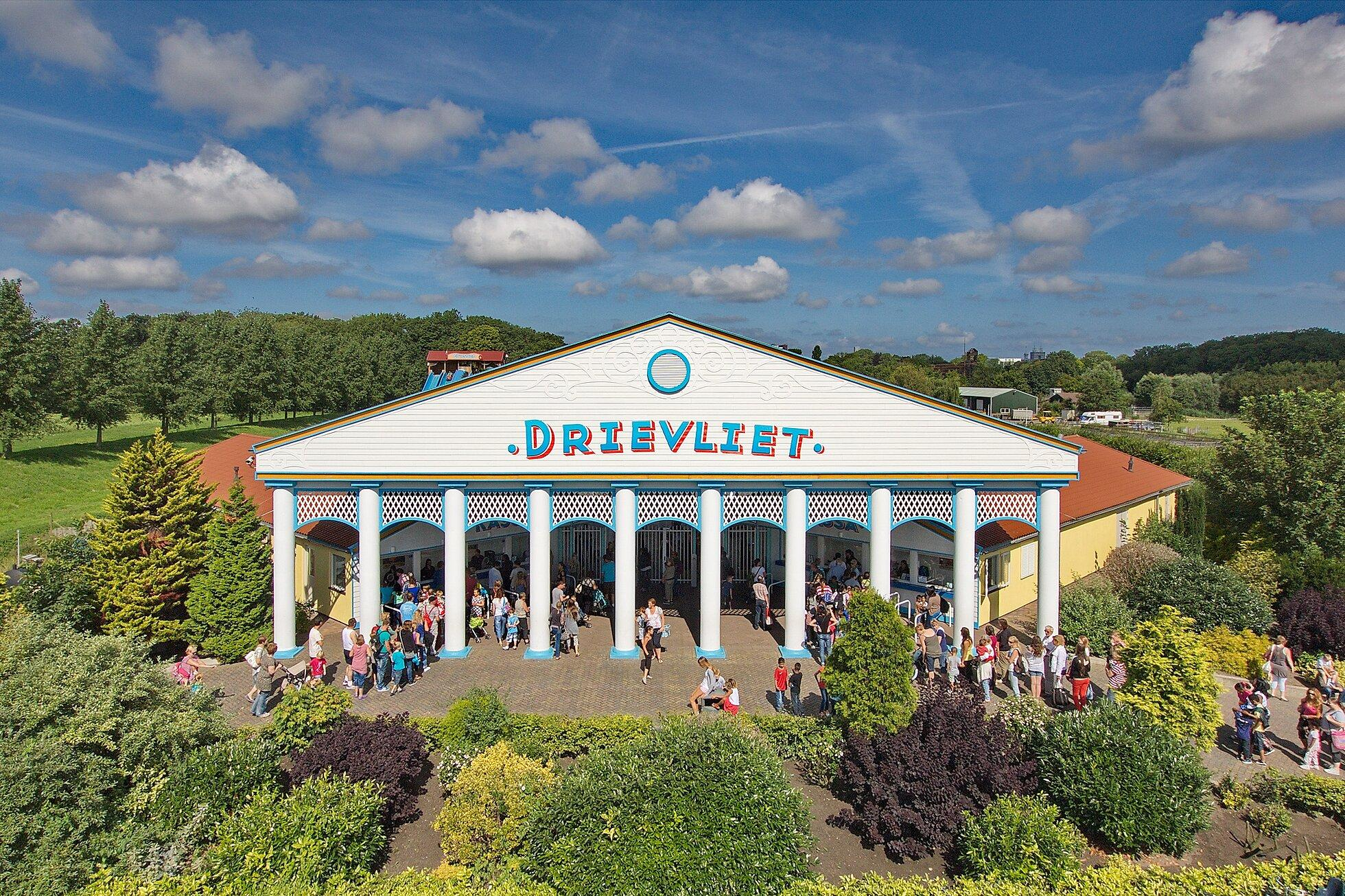
On what should have been a routine spring day at one of the Netherlands’ most cherished amusement parks, Drievliet found itself at the center of an unexpected visitor surge. The family park in The Hague issued an unusual appeal: do not come without a reservation.
The reason was simple but striking—overcrowding had reached a level where the visitor experience was at risk of deteriorating. According to park representative Danny van der Weel, the situation unfolded rapidly, driven by what he described as “the perfect storm.”
What Triggered the Overcrowding?
The spike in attendance was not caused by a single factor, but rather a convergence of seasonal and strategic elements:
- Favorable weather conditions, drawing more visitors outdoors
- The May holiday period, traditionally a busy time for leisure activities
- The launch of a new attraction, the Steam Cyclone
“We saw it getting busier and busier over the past few days,” Van der Weel explained, noting a sharp rise in reservations and inquiries.
While the park had not technically sold out in the days leading up to the peak, operational pressure steadily increased as crowds intensified.
When Popularity Becomes a Problem
The issue was not just the number of visitors—it was the impact on the overall experience.
Drievliet, known for its family-friendly environment and manageable scale, faced growing strain across multiple touchpoints:
- Ride wait times approaching or exceeding 45 minutes
- Long queues at toilets and food outlets
- Increased congestion throughout the park
“We don’t want people standing in line all day,” Van der Weel emphasized.
For a park built around accessibility and enjoyment for families, these conditions risked undermining its core appeal.
A Strategic Decision: Closing the Gates
In response, management implemented a decisive measure: no more tickets would be sold at the entrance. Only visitors with prior reservations were allowed in.
The move highlights a growing trend in the theme park industry—capacity control as a tool for maintaining quality.
Rather than maximizing attendance, Drievliet prioritized:
- Visitor satisfaction
- Operational efficiency
- Safety and comfort
The decision reflects a broader shift toward reservation-based systems, particularly during peak seasons.
A Park with Deep Roots and Family Focus
Founded in 1938, Drievliet has long positioned itself as a family-oriented amusement park in The Hague.
Unlike larger, high-intensity theme parks, Drievliet’s appeal lies in its balance:
- Over 30–40 attractions catering to all ages
- A strong emphasis on accessibility—over 90% of rides are suitable for visitors at least 1 meter tall
- A mix of gentle rides, themed areas, and moderate thrill attractions
From roller coasters like Formule X to water rides and themed zones, the park delivers a compact yet diverse experience.
This design philosophy makes overcrowding particularly noticeable—unlike sprawling parks, space and flow are more tightly managed.
The Role of New Attractions in Driving Demand
The recent opening of the Steam Cyclone illustrates a classic theme park dynamic: new rides attract surges in visitor numbers.
New attractions often:
- Increase repeat visits from existing customers
- Generate media attention and word-of-mouth
- Create short-term spikes in demand
In Drievliet’s case, the new ride likely amplified an already busy holiday period, pushing attendance beyond manageable levels.
Looking Ahead: A Temporary Peak or a New Trend?
Park officials expect the extreme crowds to be short-lived.
Several factors are likely to ease pressure in the coming days:
- Weekends typically distribute visitor patterns differently
- Remembrance Day (May 4) tends to be quieter
- Liberation Day festivities may divert crowds elsewhere
- School visits resume later, redistributing attendance
“This is really a peak,” Van der Weel noted, suggesting confidence that normal conditions will soon return.
What This Means for Visitors
For guests planning a trip to Drievliet—or similar parks—the situation offers a clear takeaway:
- Advance booking is increasingly essential
- Peak periods can significantly affect experience quality
- Flexibility in timing can improve enjoyment
The incident also underscores the importance of managing expectations. Even well-designed family parks can face capacity challenges when demand surges unexpectedly.
Conclusion: Balancing Popularity and Experience
Drievliet’s overcrowding episode highlights a delicate balance faced by modern amusement parks: how to accommodate growing popularity without compromising the visitor experience.
By halting ticket sales at the gate, the park chose to protect its reputation rather than maximize short-term revenue—a decision that reflects evolving industry priorities.
As theme parks continue to innovate and expand, managing crowd dynamics will remain a critical factor in delivering the kind of memorable, stress-free experience that families expect.


