
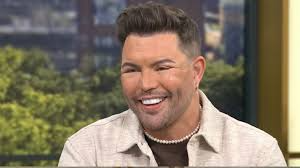
Bobby Norris Face: A Personal Transformation in the Spotlight
A Narrative Feature on Change, Confidence, and Consequences
Bobby Norris has never been one to shy away from honesty—whether on reality television or in real life. But in 2026, the former The Only Way Is Essex star found himself at the center of a different kind of conversation: one about identity, aging, and the evolving face of cosmetic surgery.
At 39, Norris unveiled a dramatically refreshed appearance following a series of procedures, including a face and neck lift. What might have been just another celebrity makeover quickly became something more layered—a story shaped by health scares, years of cosmetic habits, and a candid reckoning with personal choices.
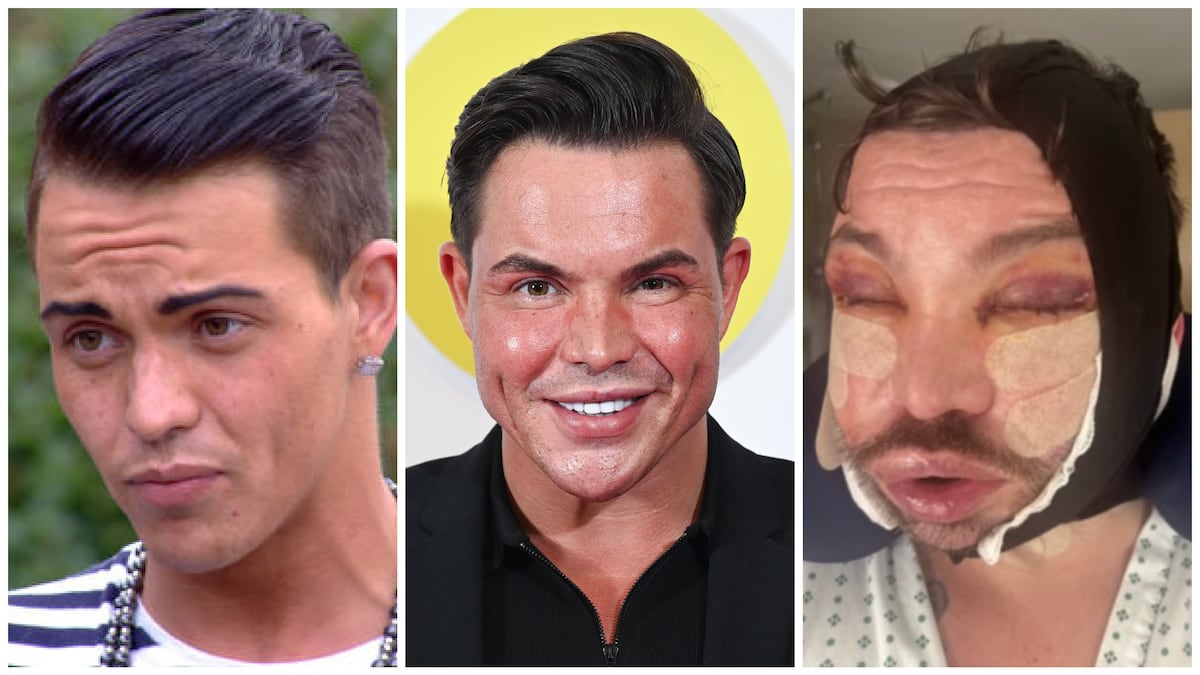
From Fillers to Facelift: A Decade of Change
For years, Norris relied heavily on non-surgical enhancements. By his own admission, he had been “abusing fillers for 10 years,” visiting clinics as frequently as every 12 weeks.
The long-term effects, he revealed, were far from ideal. His skin became “stretched out and baggy,” a consequence of repeated injections that ultimately pushed him toward a more permanent solution.
In contrast to the temporary nature of fillers, Norris opted for a surgical reset. Traveling to Turkey, he underwent a face and neck lift, along with a lower blepharoplasty—an operation designed to address under-eye concerns.
The transformation was immediate, though not final. He noted that swelling remains part of the recovery process, with surgeons advising that it could take up to 12 months for his face to fully settle.
The Health Scare That Changed Everything
Behind the decision to undergo surgery was a moment of stark clarity.
During a series of medical tests for unexplained health issues, Norris received a chilling warning from a doctor: if a suspected condition were confirmed, he “could be dead in 12 hours.”
The comment was not just alarming—it was transformative.
“At my age, you don’t expect to hear that,” Norris reflected.
The experience forced him to confront a reality many avoid: time is not guaranteed. Plans he once postponed—such as waiting until his 40s for cosmetic surgery—suddenly felt arbitrary.
“Tomorrow ain’t guaranteed,” he explained, describing the mindset shift that ultimately led him to act sooner rather than later.
A New Face—and an Ongoing Journey
When Norris debuted his new look on This Morning on 29 April 2026, the reaction was immediate. Viewers saw not just a physical transformation, but the result of years of reflection and personal recalibration.
Yet, despite the extensive procedures, Norris made one thing clear: this is not necessarily the end of his cosmetic journey.
When asked whether he would stop undergoing procedures, he responded candidly:
“It’s impossible for me to say that… I can’t lie and say I wouldn’t have any more.”
His honesty reflects a broader truth within celebrity culture—cosmetic enhancement is rarely a one-time decision, but often an evolving process tied to self-image and public perception.
Transparency in the Age of Social Media
Unlike many public figures who keep cosmetic procedures private, Norris has taken a different approach. He has documented his recovery openly, sharing updates with followers and offering a behind-the-scenes look at the realities of surgery.
This transparency serves two purposes. On one hand, it demystifies the process, showing the swelling, healing, and patience required. On the other, it reinforces his message that such decisions should be approached carefully.
He has repeatedly emphasized the importance of research, acknowledging that major procedures “come with dangers.”
Beyond Aesthetics: A Personal Philosophy
Norris is quick to reject the idea that his transformation is about chasing trends.
“For me, it’s never that I’m following a fashion,” he explained.
Instead, he frames his decision as corrective—an attempt to reverse the effects of years of overuse of fillers. He has even described it as “correcting my stupidity,” a blunt but revealing assessment of his past choices.
At its core, his message is simple: cosmetic procedures should be personal, not performative.
The Wider Conversation Around Cosmetic Surgery
Norris’s story arrives at a time when cosmetic procedures are becoming increasingly normalized. From injectables to full surgical transformations, the line between enhancement and identity continues to blur.
His journey highlights several key themes shaping the modern conversation:
- Accessibility: Procedures are more widely available than ever.
- Normalization: Public figures openly discussing surgery reduce stigma.
- Risk Awareness: Increased openness also brings greater scrutiny of potential dangers.
- Personal Agency: Individuals are framing these choices as expressions of self rather than conformity.
Yet, his experience also underscores a critical caution: even non-surgical treatments like fillers can have long-term consequences when overused.
Conclusion: A Face That Tells a Story
Bobby Norris’s transformation is more than a cosmetic update—it is a narrative about time, identity, and self-awareness.
From a decade of filler use to a life-altering health scare, his journey reflects the complex motivations behind modern aesthetic decisions. His willingness to speak openly about both the benefits and risks adds depth to a conversation often dominated by surface-level glamour.
As he continues to recover—and potentially consider future procedures—one thing remains clear: the story of Bobby Norris’s face is still being written.


