Ansh Gujral and Nandini: The Darkest Love Story That Changed Indian Television
A Storyline That Refused to Fade
Few television arcs in Indian entertainment have left as deep and unsettling an impact as the story of Ansh Gujral and Nandini in Kyunki Saas Bhi Kabhi Bahu Thi. Even decades after it first aired, the narrative continues to resurface—now reignited by the sequel series and the return of actor Akashdeep Saigal.
What makes this storyline endure is not just its shock value, but its willingness to confront deeply uncomfortable realities. It blurred the line between fiction and social commentary, forcing audiences to confront issues that were rarely discussed openly on mainstream television.
The Rise of Ansh Gujral: A Villain Unlike Any Other
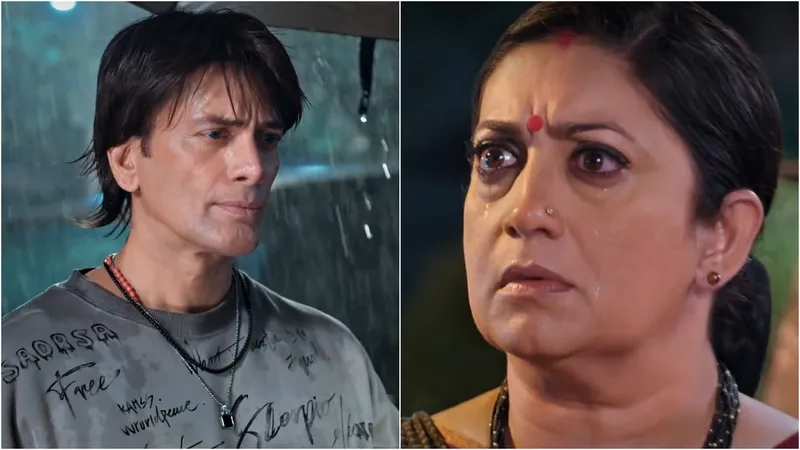
Ansh Gujral, portrayed by Akashdeep Saigal, was never designed to be a conventional antagonist. He was volatile, unpredictable, and deeply flawed—a character who embodied rebellion taken to destructive extremes.
His presence in the Virani household brought tension from the start. But what truly set him apart was how the show gradually peeled back layers of his personality, revealing a man driven by entitlement, anger, and a disturbing disregard for boundaries.
Unlike traditional villains, Ansh was not an outsider. He was family. That proximity made his actions far more unsettling.
Nandini: Strength in the Face of Trauma
Nandini’s character stood in stark contrast to Ansh. She represented resilience, dignity, and emotional strength. Her storyline became the emotional core of this controversial arc.
Her relationship with Ansh was not built on love or mutual respect. Instead, it evolved into one of the most disturbing narratives ever shown on Indian television—a portrayal of marital rape, a topic that was rarely acknowledged in mainstream media at the time.
The depiction was intense and uncomfortable, but it sparked widespread conversations. For many viewers, it was the first time such an issue had been portrayed so directly on screen.
The Breaking Point: A Mother’s Impossible Choice
The storyline reached its most dramatic and morally complex moment when Tulsi Virani, Ansh’s own mother, was forced to take an unimaginable step.
As Ansh’s actions escalated, culminating in the brutal assault on Nandini, the situation spiraled beyond redemption. The legal system failed to deliver justice, and the family’s safety was at risk.
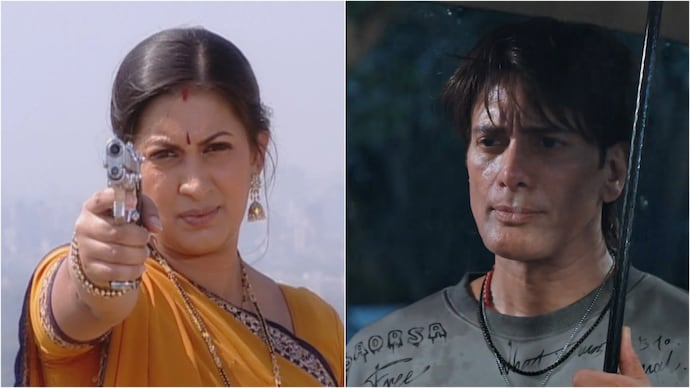
In a moment that shocked the nation, Tulsi made a decision that would define the show’s legacy—she shot her own son.
This act was not portrayed as vengeance, but as a desperate attempt to protect her family and restore justice where institutions had failed. It remains one of the most talked-about scenes in Indian television history.
Why This Storyline Was Revolutionary
At the time of its broadcast, Indian television largely avoided controversial subjects. Family dramas focused on tradition, relationships, and moral lessons—but rarely on systemic abuse within marriage.
The Ansh–Nandini arc changed that.
It introduced:
- A raw portrayal of domestic abuse within marriage
- A female survivor’s perspective rooted in dignity and resilience
- A moral dilemma that challenged conventional notions of justice
The storyline forced viewers to confront uncomfortable truths about power, consent, and silence within families.
The Legacy Lives On in the Sequel
With Kyunki Saas Bhi Kabhi Bahu Thi 2, the shadow of Ansh Gujral has returned—though in a transformed way.
Akashdeep Saigal now appears not as Ansh, but as Reyansh (Rio), Ansh’s second son, creating a narrative loop that reconnects past trauma with present-day drama. This creative decision has stirred both nostalgia and controversy, especially as it reopens unresolved emotional wounds for characters like Tulsi.
The storyline suggests that the past is never truly buried. Instead, it evolves, shaping the next generation.
Recent developments also reveal that Ansh’s legacy continues through his child, whose presence reignites old tensions and forces the family to confront unresolved truths.
Audience Reaction: Between Nostalgia and Discomfort
The revival of this storyline has generated mixed reactions:
- Nostalgia: Long-time viewers appreciate the return of a powerful, emotionally charged narrative.
- Discomfort: The reintroduction of Ansh’s legacy reminds audiences of one of the show’s darkest chapters.
- Debate: Questions around creative choices, casting, and storytelling direction have sparked discussions among fans and critics alike.
For many, the storyline is not just entertainment—it is a cultural memory.
Cultural Impact: More Than Just a TV Plot
The Ansh–Nandini storyline went beyond television. It contributed to broader societal conversations about:
- Consent within marriage
- The silence surrounding domestic abuse
- The role of family in confronting injustice
At a time when such topics were rarely discussed openly, the show brought them into living rooms across the country.
It demonstrated that mainstream entertainment could serve as a platform for social reflection—even when it meant challenging audiences.
What the Future Holds
As the sequel continues to unfold, the narrative seems poised to explore:
- The generational impact of trauma
- Redemption versus legacy
- Whether the sins of the past can truly be overcome
The return of Ansh’s lineage suggests that the story is far from over. Instead, it is evolving—forcing both characters and viewers to revisit difficult questions.
Conclusion: A Story That Redefined Television Drama
The story of Ansh Gujral and Nandini remains one of the most powerful and controversial arcs in Indian television history.
It was not easy to watch. It was not meant to be.
But it succeeded in doing something rare—it made people think, question, and talk.
Even today, as the narrative resurfaces in a new form, its impact endures. It stands as a reminder that storytelling, at its best, does not just entertain—it challenges, provokes, and leaves a lasting imprint.