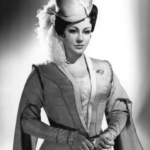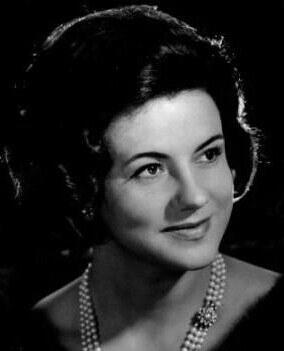
The Voice That Cut Through the Night: Exploring Mimi Coertse’s Songs and Musical Legacy
Introduction: More Than Songs — A Sonic Legacy
When discussing Mimi Coertse songs, one must look beyond a conventional catalogue of tracks. Coertse was not a pop recording artist with chart hits; she was a world-renowned operatic soprano, whose “songs” were performances of some of the most technically demanding and emotionally resonant works in classical music.
- Introduction: More Than Songs — A Sonic Legacy
- The Signature Sound: What Defines Mimi Coertse’s Songs?
- The Queen of the Night: Her Most Iconic Performance
- Expanding the Repertoire: European Classics and Beyond
- Afrikaans Art Songs and Folk Music: A Cultural Mission
- Songs Beyond the Stage: Mentorship and Musical Influence
- The Emotional Power of Her Music
- Legacy: Why Mimi Coertse’s Songs Still Matter
- Conclusion: A Voice That Still Resonates
Her voice — often described as crystalline, luminous, and fearless — carried her from Durban to the grandest opera houses in Europe, where she became synonymous with one of opera’s most iconic roles: the Queen of the Night. Through these performances, and her deep commitment to Afrikaans art songs and folk music, Coertse built a repertoire that continues to influence generations.
Her passing at age 93 marked the end of an era, but her music remains deeply embedded in both global opera culture and South African artistic identity.


The Signature Sound: What Defines Mimi Coertse’s Songs?
Mimi Coertse’s musical identity was shaped by a rare combination of technical precision and cultural duality.
A Voice Built for Complexity
Her performances were characterized by:


- Exceptional control over high-register notes, especially in coloratura passages
- The ability to execute rapid vocal runs and staccato phrases with clarity
- Emotional depth that balanced technical brilliance with expressive storytelling
These qualities made her particularly suited to Mozart, Strauss, and Rossini, composers whose works demand agility and precision.
Her teacher, Gert Potgieter, emphasized imaginative yet disciplined vocal technique — even instructing her to “float your high B-flat on a single breath,” a method that helped her master the most difficult passages in her repertoire.
The Queen of the Night: Her Most Iconic Performance
No discussion of Mimi Coertse songs is complete without highlighting her defining role.
Mozart’s Die Zauberflöte (The Magic Flute)
Coertse’s portrayal of the Queen of the Night became legendary, particularly in the aria:


- “Der Hölle Rache kocht in meinem Herzen”
(translated: Hell’s vengeance boils in my heart)
This piece is one of the most demanding in all of opera, requiring:
- Extremely high notes (including high Fs)
- Rapid vocal leaps
- Dramatic intensity
Coertse performed this aria over 500 times, maintaining flawless execution throughout her career.
Her Vienna debut in 1956 with this role transformed her into “Die südafrikanische Nachtigall” (The South African Nightingale) — a title that reflected both her vocal beauty and her international impact.
Expanding the Repertoire: European Classics and Beyond
While the Queen of the Night defined her public image, Coertse’s repertoire extended widely across the classical canon.
Major Operatic Works
Her performances included:
- Mozart operas such as The Magic Flute and The Marriage of Figaro
- Strauss works like Der Rosenkavalier, where she played Sophie
- Selected roles in Rossini and early Verdi
Critics often described her performances as a blend of “shimmering silk and polished steel,” highlighting both elegance and strength.
Concert and Recording Work
In addition to opera, Coertse performed:
- Oratorio works such as Handel’s Messiah, where she made her debut in 1951
- German lieder (art songs)
- Studio recordings, including a notable 1961 Queen of the Night recording, selected for its precision and timing
Her ability to deliver consistent, technically exact performances made her highly sought after by recording labels.
Afrikaans Art Songs and Folk Music: A Cultural Mission
Perhaps the most distinctive aspect of Mimi Coertse’s musical legacy lies in her commitment to Afrikaans music.
Bridging European and African Traditions
She played a crucial role in:
- Popularizing Afrikaans art songs internationally
- Incorporating elements of South African folk traditions into her musical interpretation
- Bringing local musical identity to global stages
Her early exposure to:
- Boer folk songs
- Church hymns
- Multilingual musical traditions
gave her performances a unique tonal richness that resonated with diverse audiences.
Making Classical Music Accessible
Later in life, she:
- Funded Afrikaans translations of classical works like Winterreise
- Supported recordings for underrepresented artists
- Introduced opera to new audiences through outreach programs
This work ensured that her “songs” were not confined to elite concert halls, but became part of a broader cultural conversation.
Songs Beyond the Stage: Mentorship and Musical Influence
After returning to South Africa in the 1970s, Coertse shifted her focus from performance to education and mentorship.
“Debut with Mimi” and the Black Tie Ensemble
Her initiatives included:
- The “Debut with Mimi” concert series, offering young singers professional exposure
- The Black Tie Ensemble, founded in 1998, which trained emerging artists
These platforms allowed new generations to perform classical repertoire — including the same arias and songs that defined her career.
Her influence can be seen in internationally recognized artists such as:
- Pretty Yende
- Jacques Imbrailo
who benefited directly or indirectly from her mentorship ecosystem.
The Emotional Power of Her Music
What made Mimi Coertse’s songs endure was not just technical excellence, but emotional resonance.
Her performances were known for:
- Conveying vulnerability beneath virtuosic control
- Bridging cultural divides through universal themes
- Inspiring audiences across continents and generations
Even late in life, she remained engaged with music — sending recordings, mentoring students, and attending performances.
Legacy: Why Mimi Coertse’s Songs Still Matter
Mimi Coertse’s musical legacy operates on multiple levels:
Artistic Impact
- Elevated South African opera onto the global stage
- Set new standards for coloratura soprano performance
Cultural Contribution
- Preserved and promoted Afrikaans musical traditions
- Expanded access to classical music across communities
Educational Influence
- Built institutions that continue to train performers
- Inspired generations of singers to pursue international careers
Her death on 27 April 2026 — coinciding with South Africa’s Freedom Day — symbolically underscored her role in shaping a more inclusive cultural identity.
Conclusion: A Voice That Still Resonates
Mimi Coertse’s songs are not confined to recordings or archives — they live on in the voices she trained, the institutions she built, and the cultural bridges she forged.
From the electrifying fury of the Queen of the Night to the gentle lyricism of Afrikaans folk songs, her repertoire reflects a lifetime dedicated to excellence, identity, and artistic generosity.
In opera houses, classrooms, and even rural stages, her influence continues to echo — a reminder that a single voice, when fully realized, can transform both music and society.