A New Era of Smartphone Photography
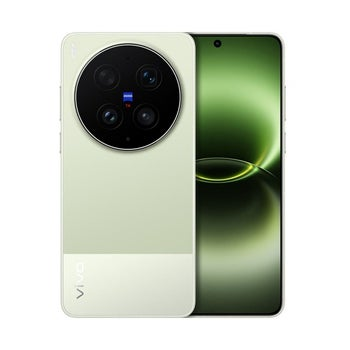
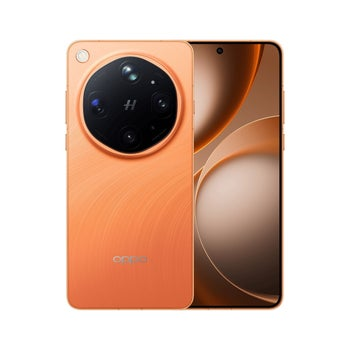
In 2026, the race to build the best smartphone camera has reached a new peak. Two flagship devices—the Oppo Find X9 Ultra and the Vivo X300 Ultra—have emerged as frontrunners, pushing the boundaries of what mobile photography can achieve.
Both phones are built around cutting-edge hardware, including dual 200 MP camera systems and the same flagship chipset. Yet, their philosophies diverge sharply: Oppo partners with Hasselblad to deliver versatility and color science, while Vivo leans on ZEISS optics and advanced stabilization to prioritize precision and professional-grade output.
This comparison test explores how these two devices perform across key camera categories—and ultimately, which one comes out ahead.
The Hardware Foundation: Shared Power, Different Vision
At their core, both devices share similar foundations:
- 200 MP Sony LYT-901 main sensor
- Snapdragon 8 Elite Gen 5 processor
- High-end AMOLED displays and premium builds
However, their camera systems diverge dramatically in execution.
- Vivo X300 Ultra features a triple camera system with a strong emphasis on stabilization and optical quality.
- Oppo Find X9 Ultra goes further with a penta-camera setup, including dual telephoto lenses for extended zoom flexibility.
This divergence defines the entire camera comparison.
Main Camera: Same Sensor, Different Results
Both phones rely on the same Sony LYT-901 sensor (1/1.12”), one of the largest in any smartphone. Yet, the way each brand uses it leads to noticeable differences.
Oppo Find X9 Ultra
- Aperture: f/1.5
- Focus: Low-light performance
- Tuning: Hasselblad color calibration
The wider aperture allows more light to hit the sensor—potentially up to 40% more—making it highly effective in night photography.
Vivo X300 Ultra
- Aperture: f/1.85
- Feature: Gimbal OIS stabilization
- Optics: ZEISS T* coating
Vivo compensates for a slightly narrower aperture with superior stabilization, enabling longer exposures without blur.
Verdict
- Oppo excels in low light
- Vivo delivers sharper, more stable shots
The difference is subtle, but meaningful depending on shooting style.
Zoom Performance: Versatility vs Extreme Reach
This is where the two phones take completely different approaches.
Oppo Find X9 Ultra: Built-in Flexibility
- 3× telephoto (200 MP)
- 10× periscope (50 MP)
- Up to 230mm focal length
- Computational zoom up to 40–50×
Oppo’s advantage is convenience—everything is integrated, requiring no accessories.
Vivo X300 Ultra: Maximum Reach
- 3.7× telephoto (200 MP)
- Optional ZEISS 400mm teleconverter
- Up to 17.4× optical zoom with accessory
Without the teleconverter, Vivo trails Oppo at higher zoom levels. But with it, Vivo reaches focal lengths unmatched by any smartphone.
Verdict
- Oppo wins for everyday versatility
- Vivo wins for extreme zoom enthusiasts
Ultrawide Camera: A Clear Winner
The ultrawide comparison is more straightforward.
Vivo X300 Ultra
- 50 MP Sony LYTIA 818 sensor (1/1.28”)
- Optical image stabilization
Oppo Find X9 Ultra
- 50 MP Sony LYT-600 sensor (smaller 1/1.95”)
- No OIS
The larger sensor and stabilization give Vivo a decisive edge, especially in low light and video.
Verdict
Vivo X300 Ultra dominates ultrawide photography
Night Photography: Light vs Stability
Night photography showcases the philosophical divide between the two brands.
- Oppo Find X9 Ultra benefits from its brighter f/1.5 lens, capturing more light naturally.
- Vivo X300 Ultra relies on gimbal stabilization to extend exposure time without blur.
In practice, both produce excellent results.
Verdict
Slight edge to Oppo for brightness, but results are closely matched.
Video Capabilities: Professional vs Premium
Video is where Vivo pulls ahead decisively.
Vivo X300 Ultra
- 4K/120 fps 10-bit Log on all lenses
- APV 422 encoding and ACES workflow
- 8K recording with Dolby Vision
Oppo Find X9 Ultra
- 4K/120 fps
- Dolby Vision HDR
- Advanced tracking and cinematic features
Vivo’s support for Log recording across all lenses positions it as a professional-grade video tool.
Verdict
Vivo X300 Ultra is the clear winner for video creators
Telephoto Real-World Performance: A Leap Forward
Independent testing highlights just how far smartphone cameras have come.
The Oppo Find X9 Ultra’s telephoto system, particularly its 3× and 10× lenses, delivers results that rival compact cameras in many scenarios. In fact, it has been described as:
“the most versatile of any camera phone… bringing such devices into new areas of photography.”
While professional cameras still outperform smartphones in depth and optical quality, the gap has narrowed significantly.
Camera Philosophy: ZEISS vs Hasselblad
This comparison ultimately reflects two competing ideologies:
Vivo (ZEISS)
- Neutral, true-to-life colors
- Precision optics
- Professional video tools
- Stabilization-focused approach
Oppo (Hasselblad)
- Warm, cinematic color tones
- Versatile zoom system
- Strong low-light performance
- User-friendly shooting experience
Neither is objectively better—they simply cater to different types of users.
Final Verdict: Which Camera Wins?
There is no universal winner—but clear use-case champions.
Choose Vivo X300 Ultra if you want:
- Professional video tools
- Superior ultrawide performance
- Extreme zoom with accessories
- Accurate, natural colors
Choose Oppo Find X9 Ultra if you want:
- Built-in zoom versatility (3× + 10×)
- Better low-light performance
- Hasselblad color science
- A more flexible everyday camera system
Conclusion: A Defining Moment for Smartphone Cameras
The Oppo Find X9 Ultra and Vivo X300 Ultra represent the cutting edge of mobile photography in 2026. Both devices push the limits of what smartphones can achieve—blurring the line between phones and dedicated cameras.
Rather than a clear winner, this comparison reveals something more important: smartphone cameras are no longer about compromise—they’re about specialization.
And in that sense, the real winner is the user.