
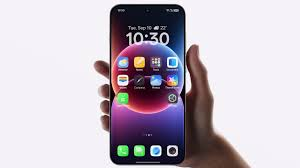
Oppo ColorOS 16: A Feature-Focused Evolution in Smartphone Experience
Introduction: Refining the Everyday Smartphone Experience
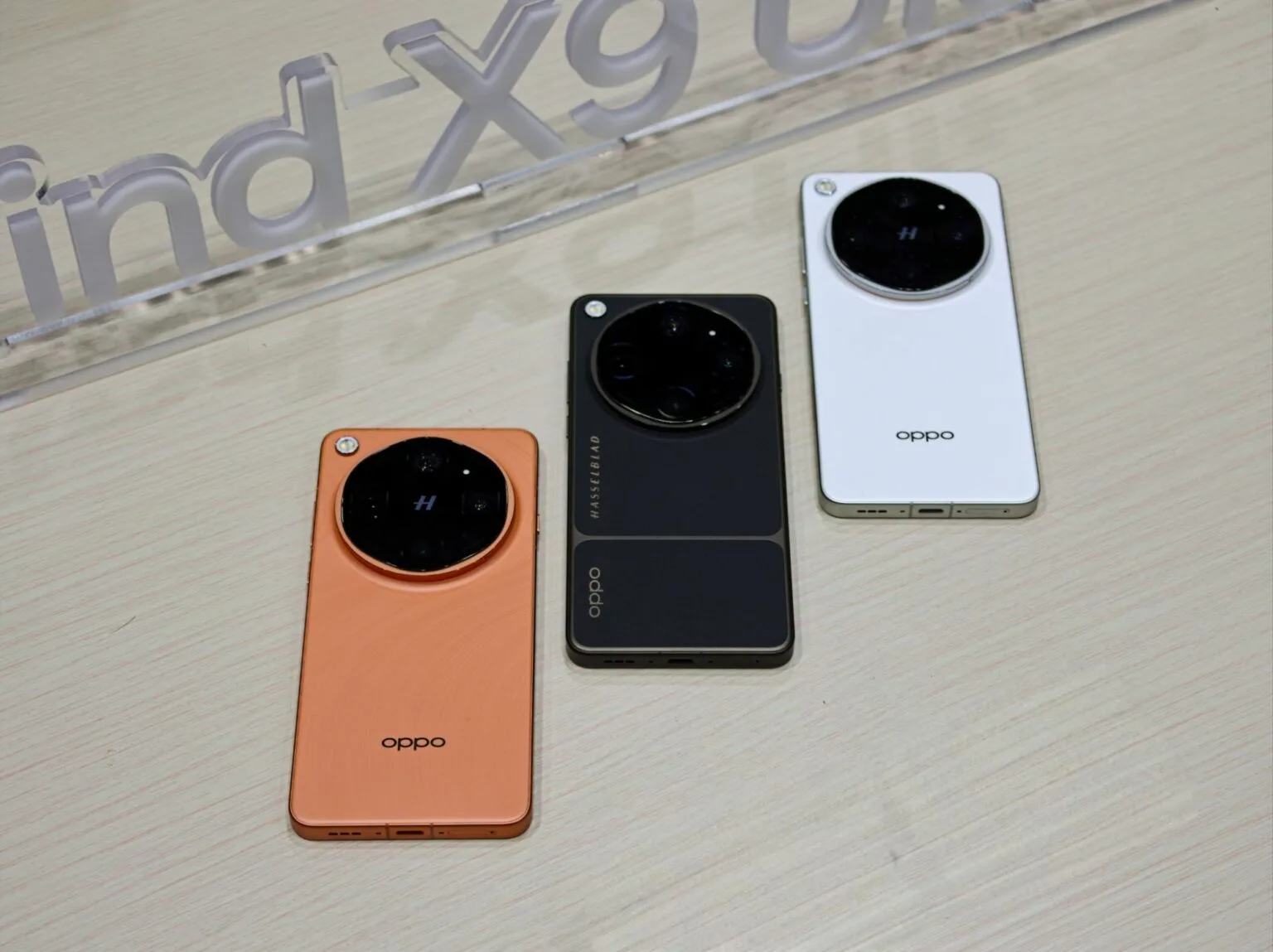
Oppo’s ColorOS 16 represents a continued push toward enhancing everyday usability through incremental yet meaningful software improvements. Built on Android 16, the operating system powers flagship devices such as the Find X9 series and reflects Oppo’s broader strategy: delivering smoother interactions, smarter tools, and deeper personalization.
The April 2026 update to ColorOS 16 highlights this approach clearly. Rather than introducing sweeping redesigns, Oppo has focused on refining core user experiences—particularly within the Photos app—by integrating culturally relevant features and improving media control capabilities.
This article explores how these updates fit into the broader evolution of ColorOS 16 and what they signal about Oppo’s direction in mobile software.
A System Built on Iterative Innovation
ColorOS 16 is not a radical departure from its predecessor but an evolution shaped by continuous updates. Oppo initially introduced the platform with a focus on:
- Enhanced system smoothness
- AI-powered features
- Improved cross-device connectivity
Subsequent monthly updates, including the April rollout, demonstrate Oppo’s commitment to refining the user experience through targeted enhancements rather than disruptive overhauls.
April 2026 Update: What’s New?
1. UEFA Champions League Watermark: A Timely Personalization Tool
One of the most distinctive additions in the April update is the UEFA Champions League (UCL) watermark feature integrated into the Photos app.
This feature allows users to apply a football-themed watermark to their images, particularly appealing during the ongoing Champions League season. The watermark is designed to give photos a “match-day” aesthetic, aligning with global fan engagement around the tournament.
The availability window is limited, running from April 15 to June 10, 2026, reinforcing its seasonal relevance.
From a product perspective, this move reflects Oppo’s strategy of blending cultural moments with software functionality—turning everyday tools like photo editing into context-aware experiences.
2. Enhanced Video Playback Controls: Precision Meets Convenience
The second major addition focuses on video playback flexibility within the Photos app.
Users can now adjust playback speed directly while viewing videos, with four selectable options:
- 0.5× (slow motion review)
- 1.0× (standard playback)
- 1.5× (slightly faster viewing)
- 2.0× (quick preview)
This feature eliminates the need for third-party apps when reviewing or editing videos, streamlining workflows for both casual users and content creators.
The improvement may seem modest, but it addresses a common friction point—making media interaction faster and more intuitive.
Rollout Strategy: Phased and Device-Specific
Oppo has adopted a phased rollout strategy for the April update, beginning on April 8 and scheduled for completion by April 30, 2026.
Supported Devices Include:
- Oppo Find X9
- Oppo Find X9 Pro
- Oppo Find X8
- Oppo Find X8 Pro
- Oppo Reno15 Pro 5G
- Oppo Reno15 5G
- Oppo Reno14 Pro 5G
- Oppo Reno14 5G
Users who have not yet received the update can manually check via the system update settings.
This phased approach allows Oppo to monitor performance and ensure stability across different hardware configurations before full deployment.
Beyond April: The Broader ColorOS 16 Vision
AI Integration and Feature Expansion
ColorOS 16 is part of a larger trend in smartphone operating systems emphasizing artificial intelligence and adaptive interfaces. Oppo has already introduced AI-driven enhancements in earlier updates, particularly on flagship devices like the Find X9 Ultra.
These features aim to:
- Optimize system performance
- Improve camera capabilities
- Enhance user interaction through contextual awareness
The Emergence of “Live Space”
Community discussions around upcoming features such as “Live Space” suggest that Oppo is experimenting with more dynamic, interactive UI elements. The feature, expected to be revealed in April 2026, has generated anticipation among users for its potential to improve accessibility and real-time interaction.
While details remain limited, it signals Oppo’s intent to push beyond static interfaces toward more responsive and immersive experiences.
Industry Context: Competing Through Experience, Not Just Hardware
In an increasingly competitive smartphone market, differentiation is no longer driven solely by hardware specifications. Instead, software ecosystems play a critical role in shaping user loyalty.
Oppo’s ColorOS 16 strategy aligns with this shift:
- Personalization (e.g., themed watermarks)
- Efficiency (e.g., built-in video controls)
- Continuous updates (monthly improvements)
These incremental changes contribute to a more polished and cohesive user experience over time.
User Perspective: Subtle but Meaningful Enhancements
From a user standpoint, the April update may not appear groundbreaking. However, its value lies in practical usability:
- Football fans gain a creative tool for sharing match-related content
- Everyday users benefit from faster and more flexible video playback
- The system becomes more refined without requiring a learning curve
This approach reflects a mature software philosophy: improving the details that users interact with daily.
Conclusion: The Power of Incremental Progress
ColorOS 16 exemplifies how modern smartphone platforms evolve—not through dramatic reinvention, but through continuous refinement.
The April 2026 update underscores this philosophy by introducing:
- Context-aware personalization features
- Practical media enhancements
- A steady, phased rollout strategy
As Oppo continues to expand ColorOS 16 with AI capabilities and experimental features like Live Space, the platform is gradually positioning itself as a competitive and user-centric ecosystem.
In a market where user experience is increasingly decisive, these incremental improvements may ultimately define long-term success.


