

Motorola Moto G Stylus (2026): A Practical Guide to Features, Performance, and Everyday Use
Introduction: A Stylus Phone That’s Trying to Be More
The Motorola Moto G Stylus (2026) arrives as a refined continuation of Motorola’s long-running stylus-equipped smartphone lineup. Positioned in the competitive mid-range segment, the device blends familiar hardware with targeted improvements—particularly around its defining feature: the integrated stylus.
Priced at around $500, the phone is now widely available through major retailers including Amazon, Best Buy, and Motorola’s official store. While it doesn’t radically reinvent the formula, it sharpens the experience in subtle but meaningful ways—especially for users who value precision input, productivity, and versatility.
This guide breaks down what the Moto G Stylus (2026) offers, how it performs in real-world usage, and whether it stands out in a crowded market.
What Comes in the Box—and What Doesn’t
The unboxing experience is minimal. Inside, users will find:
- The Moto G Stylus (2026)
- A USB cable
Notably absent are accessories such as:
- A charger (68W supported but not included)
- A protective case
While this stripped-down approach aligns with industry trends, it means additional costs for buyers who want to fully utilize the phone’s fast-charging capabilities.
The Core Experience: A Built-In Stylus That Actually Matters
A Defining Feature, Not a Gimmick
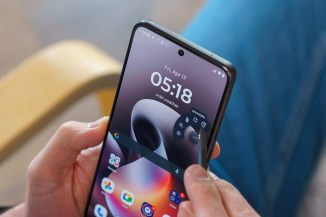
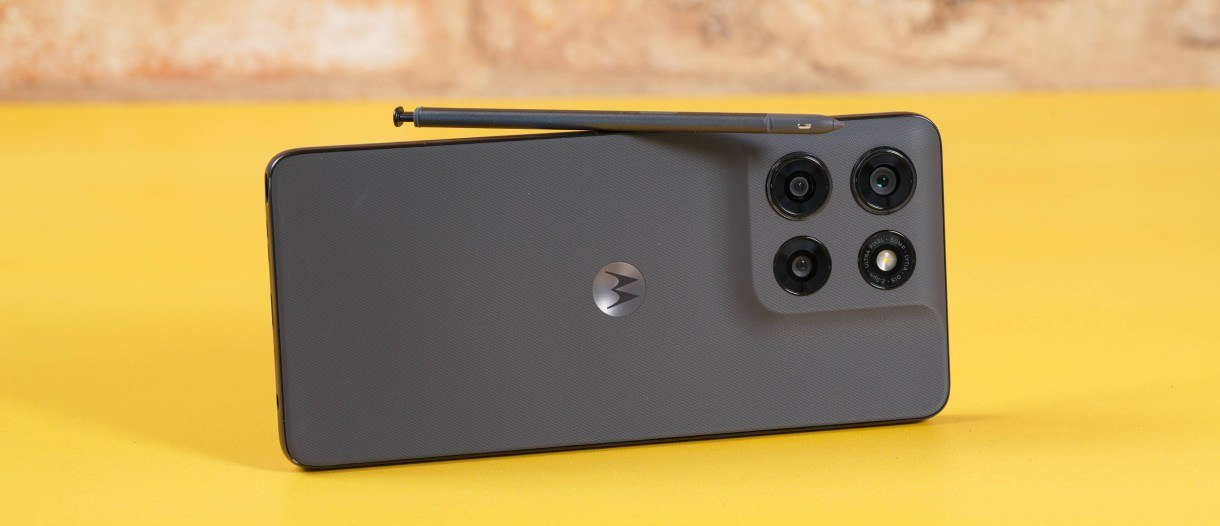
The standout feature of the Moto G Stylus (2026) is, unsurprisingly, its integrated stylus, housed within the device itself—similar to premium offerings like Samsung’s Galaxy Ultra series.
The stylus includes:
- A dedicated button to launch quick-access menus
- A clickable end for tactile interaction
- Seamless integration with note-taking and system tools
Using the stylus feels fluid and responsive. Writing on the screen is described as “effortless” and “snappy,” making it genuinely useful for:
- Quick note-taking
- Sketching and annotations
- Navigating small interface elements
- Multitasking with precision
Advanced features such as pressure sensitivity, palm rejection, and even a hover-based cursor create a near computer-like experience. For users who struggle with touch accuracy or prefer pen input, this is a meaningful upgrade in usability.
Design and Build: Practical Yet Premium Touches
Motorola continues its design consistency with a textured back panel, often in a vegan leather finish, which enhances grip and aesthetics.
Key design highlights include:
- Durable construction with IP68 and IP69 ratings
- Resistance to water, dust, and everyday wear
- A comfortable in-hand feel without requiring a case
Unlike many smartphones, this device is built to handle minor drops and scratches, making it suitable for daily use without immediate protective accessories.
Display: Bright, Smooth, and Easy to Use
The Moto G Stylus (2026) features a 6.7-inch AMOLED display with:
- 120Hz refresh rate for smooth scrolling
- Peak brightness up to 5,000 nits
- High contrast and vivid colors
This brightness level is particularly noteworthy, outperforming many competitors in the same price range. Even outdoors, the screen remains highly visible, while indoor usage rarely requires maximum brightness.
Performance: Reliable, But Not Cutting-Edge
Under the hood, the phone is powered by the Snapdragon 6 Gen 3 processor, paired with:
- 8GB RAM
- Storage options: 128GB or 256GB
- Expandable storage via microSD card
In real-world use, performance is:
- Smooth for daily tasks
- Capable of light gaming (e.g., 60fps gameplay)
- Adequate for multitasking
However, it doesn’t lead the pack in benchmark performance, especially compared to rivals like the Pixel 10A or iPhone 17E, which offer stronger long-term performance potential.
Battery and Charging: Fast and Dependable
Battery life is a strong point, with:
- Around 5,000–5,200mAh capacity
- 68W fast charging (0% to ~71% in 30 minutes)
- 15W wireless charging
The device comfortably lasts a full day under typical use. However, higher display brightness levels can accelerate battery drain—an expected trade-off for such a bright screen.
Camera System: Consistent but Not Class-Leading
The camera setup remains unchanged from the previous model:
- 50MP main camera
- 13MP ultrawide
- 32MP front-facing camera
Performance highlights:
- Good color reproduction and decent low-light enhancement
- Strong selfie performance with detailed images
- Reliable close-up shots
Limitations include:
- Less detail compared to top competitors
- Average long-distance photography
- Video quality that is serviceable but not exceptional
Overall, the camera system is dependable but not a primary selling point.
Software and Longevity: A Noticeable Limitation
One of the more significant drawbacks is software support:
- 2 years of OS updates
- 3 years of security updates
In a market where competitors offer up to six or seven years of support, this limitation may impact long-term value—particularly for users who plan to keep their devices for extended periods.
Extra Features That Still Matter
Despite some compromises, the Moto G Stylus (2026) includes several features that are becoming increasingly rare:
- Headphone jack
- MicroSD card slot
- Water and dust resistance (IP68/IP69)
These additions make it especially appealing for users who prioritize flexibility and practicality over cutting-edge specs.
Pricing and Value Proposition
At launch, pricing is structured as:
- $499 (128GB model)
- $599 (256GB model)
Motorola has also bundled accessories with certain variants, including:
- Moto Tag trackers
- Earbuds
- Smartwatch
These bundles can significantly enhance value, especially for users looking for a complete ecosystem.
Final Verdict: Who Should Buy the Moto G Stylus (2026)?
The Motorola Moto G Stylus (2026) is best suited for users who:
- Value a functional and integrated stylus
- Prefer a bright, large display
- Need practical features like expandable storage and headphone jack
- Want a balanced mid-range device for everyday use
However, it may not be ideal for those who prioritize:
- Long-term software support
- Top-tier performance
- Advanced photography
Bottom Line
The Moto G Stylus (2026) doesn’t aim to dominate the flagship space—it focuses on refining a niche. And in that niche, it succeeds. Its stylus is no longer just an accessory—it’s a core part of the experience.


