


Apple AirPods Max 2: A Premium Evolution in a Rapidly Changing Market
The Next Chapter in Apple’s Over-Ear Audio Strategy
Apple’s AirPods Max 2 arrive at a critical moment for the premium headphone market—one defined by intense competition, rapid technological iteration, and rising consumer expectations. Announced on March 16, 2026, the second-generation over-ear headphones build on Apple’s original formula while introducing a suite of intelligent features powered by the company’s H2 chip.
At first glance, the AirPods Max 2 may appear familiar. But beneath that unchanged exterior lies a strategic refinement aimed at reinforcing Apple’s position in the luxury wireless audio segment.
A Product Line That Quietly Evolved
The AirPods Max lineage has been less straightforward than typical Apple product cycles. The original model launched in 2020 set a new benchmark for premium design and ecosystem integration. In 2024, Apple introduced a subtle refresh—switching from Lightning to USB-C and adding new color options—effectively creating what some consider a “1.5 generation.”
Now, the AirPods Max 2 represent the third iteration, though visually they remain nearly indistinguishable from their predecessors.
This continuity signals Apple’s confidence in its industrial design, even as rivals push forward with lighter builds and foldable form factors.
Design: Familiar, Premium, and Unchanged
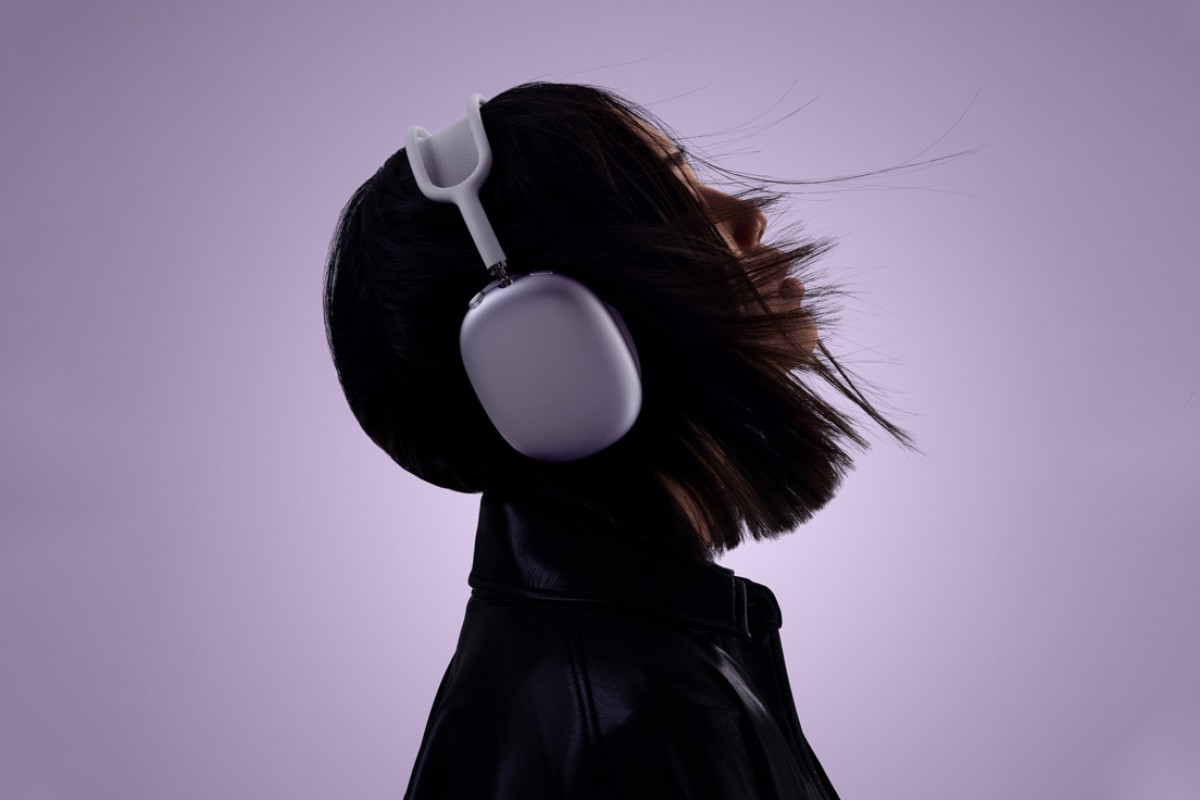
The AirPods Max 2 retain the same anodized aluminum earcups, stainless steel headband, and mesh canopy that defined the original model. The construction continues to emphasize durability and luxury, with precision-engineered hinges and replaceable memory foam ear cushions.
Available in five colors—midnight, starlight, orange, purple, and blue—the aesthetic remains consistent across generations.
However, not all design elements have aged gracefully. The controversial Smart Case, which only partially covers the headphones, remains unchanged. The headphones also do not fold, making portability less convenient compared to competitors.
Performance Upgrades: The H2 Chip at the Core
The most significant advancements in the AirPods Max 2 are internal. Apple’s H2 chip, previously seen in AirPods Pro 2, now powers the entire experience.
Enhanced Active Noise Cancellation
Apple claims the new model delivers up to 1.5x more effective Active Noise Cancellation (ANC) compared to the previous generation.
This improvement is driven by advanced computational audio algorithms and refined digital signal processing, allowing the headphones to better suppress ambient sounds such as airplane engines and urban noise.
Improved Sound Quality
A new high dynamic range amplifier enhances audio clarity, delivering:
- Cleaner, more detailed sound
- Improved bass consistency
- More natural mids and highs
- Better spatial positioning in audio playback
While the sonic improvements are noticeable, reviews suggest they are incremental rather than transformative. The sound remains smooth and balanced, but not dramatically different from the original.
Intelligent Features: Apple’s Ecosystem Advantage
Where the AirPods Max 2 truly differentiate themselves is in software-driven intelligence.
Adaptive and Context-Aware Audio
Features like Adaptive Audio and Conversation Awareness dynamically adjust noise cancellation and playback levels based on user behavior and surroundings.
For example:
- Music volume lowers automatically when you start speaking
- Noise control adapts in real time to environmental changes
Live Translation and AI Integration
One of the standout additions is Live Translation, powered by Apple Intelligence, enabling real-time language translation during in-person conversations.
This positions the AirPods Max 2 not just as audio devices, but as communication tools.
Creator-Focused Capabilities
Apple is also targeting content creators with features such as:
- Studio-quality audio recording
- Ultra-low latency audio for music production
- Camera remote functionality via the Digital Crown
These additions expand the headphones’ utility beyond passive listening into active production workflows.
Connectivity and Audio Fidelity
The AirPods Max 2 support 24-bit, 48 kHz lossless audio when connected via USB-C, offering high-fidelity playback for music, movies, and games.
However, wireless audio remains limited to AAC and SBC codecs, with no support for higher-resolution Bluetooth codecs like LDAC—an area where competitors have moved ahead.
Battery Life: A Stagnant Metric
Despite the internal upgrades, battery life remains unchanged at 20 hours.
In a market where rivals offer 30 to 60 hours of playback, this limitation is increasingly noticeable. While fast charging provides short bursts of usage, the lack of improvement suggests Apple prioritized processing efficiency over battery expansion.
Pricing and Market Position
The AirPods Max 2 launch at $549, maintaining the same premium price point as previous models.
This places them firmly in the luxury category, competing with:
- Sony WH-1000XM6
- Bose QuietComfort Ultra
- Sennheiser HDB 630
- High-end audiophile brands like Focal and Bowers & Wilkins
While Apple’s ecosystem integration remains a strong advantage, competitors are pushing ahead in areas like battery life, portability, and raw audio performance.
Sustainability: A Step Toward Apple 2030
In line with Apple’s environmental goals, the AirPods Max 2 incorporate:
- 100% recycled rare earth elements in magnets
- 100% recycled polyester in ear cushions
- 100% recycled gold plating and tin solder in circuit boards
- Fully fiber-based recyclable packaging
These changes reflect Apple’s broader ambition to achieve carbon neutrality by 2030.
The Bigger Picture: Evolution Over Revolution
The AirPods Max 2 represent a calculated update rather than a radical redesign. Apple has chosen to refine its existing formula—enhancing performance, expanding features, and deepening ecosystem integration—without altering the core experience.
This strategy may appeal to loyal Apple users seeking incremental improvements and seamless device integration. However, in a market that has advanced significantly over the past six years, the lack of major hardware innovation raises questions about long-term competitiveness.
Conclusion: A Premium Product Facing Premium Expectations
The Apple AirPods Max 2 reinforce the company’s commitment to high-end audio, combining refined sound, intelligent features, and premium build quality. Yet they also highlight the challenges of maintaining leadership in a fast-moving category.
For Apple enthusiasts, the AirPods Max 2 deliver a polished and immersive experience that integrates effortlessly with the broader ecosystem. For others, especially those prioritizing cutting-edge performance or value, the decision may be less straightforward.
Ultimately, the AirPods Max 2 are not a reinvention—but a strategic evolution that underscores Apple’s belief in software-driven innovation as the future of personal audio.


