

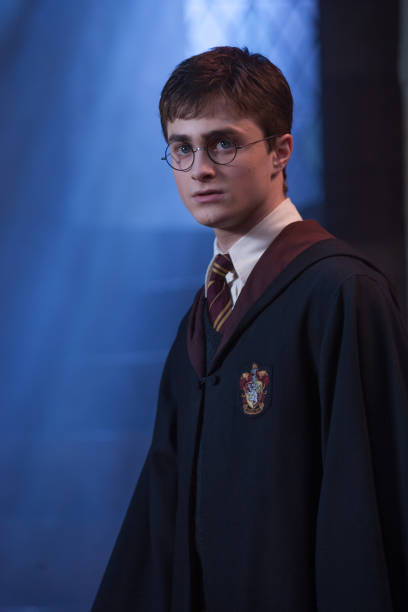
Harry Potter Movies: How Eight Films Became a Global Cultural Force
From Page to Screen: The Birth of a Cinematic Phenomenon
Few film franchises have shaped modern cinema as profoundly as the Harry Potter movies. Adapted from J.K. Rowling’s bestselling novels, the series spans eight films released between 2001 and 2011, beginning with Harry Potter and the Philosopher’s Stone and concluding with Harry Potter and the Deathly Hallows – Part 2.
Produced and distributed by Warner Bros. Pictures, the films were a British-American co-production led by producer David Heyman. Over a decade of filmmaking, the series followed the journey of a young wizard—Harry Potter—alongside his friends Ron Weasley and Hermione Granger, played by Daniel Radcliffe, Rupert Grint, and Emma Watson.
What began as a single adaptation quickly evolved into one of the most successful franchises in cinematic history, generating more than $7.7 billion worldwide and becoming the fourth-highest-grossing film series of all time.
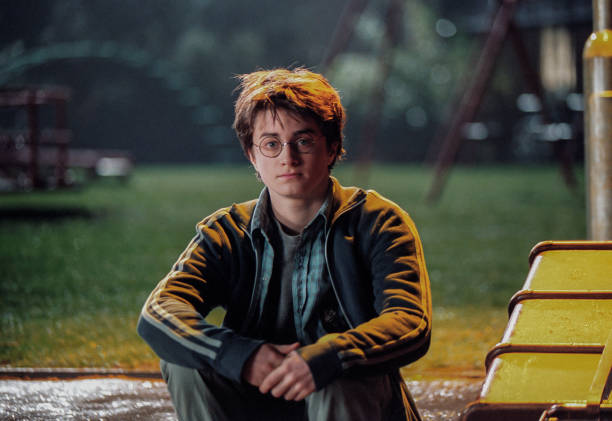
The Eight Films That Defined a Generation
The Harry Potter saga unfolds across eight interconnected films, each adapting one of Rowling’s novels:
- Philosopher’s Stone (2001)
- Chamber of Secrets (2002)
- Prisoner of Azkaban (2004)
- Goblet of Fire (2005)
- Order of the Phoenix (2007)
- Half-Blood Prince (2009)
- Deathly Hallows – Part 1 (2010)
- Deathly Hallows – Part 2 (2011)
The decision to split the final book into two films proved pivotal. Not only did it allow for a more detailed narrative, but it also set a precedent later followed by franchises like The Hunger Games and The Twilight Saga.
Behind the Scenes: A Decade of Filmmaking Evolution
Changing Directors, Evolving Vision
Four directors shaped the series’ visual and narrative tone:
- Chris Columbus (Films 1–2)
- Alfonso Cuarón (Film 3)
- Mike Newell (Film 4)
- David Yates (Films 5–8)
Each brought a distinct style. Columbus created a “golden storybook” aesthetic, while Cuarón introduced darker themes and a more cinematic approach. By the time David Yates took over, the films had evolved into politically charged, emotionally complex stories reflecting the characters’ maturation.
A Long-Term Production Commitment
Filming began in September 2000 and concluded in December 2010, making it one of the longest continuous productions in film history.
The production relied heavily on Leavesden Studios in England, where massive sets like Hogwarts were built and expanded over time.
A Franchise That Grew Up With Its Audience
One of the defining characteristics of the Harry Potter films is their tonal progression. Early entries are bright, whimsical, and child-friendly, while later installments tackle darker themes such as:
- Death and loss
- Political corruption
- Prejudice and power
As director Chris Columbus noted, the films were always intended to “get progressively darker” as the characters aged.
This narrative maturation allowed audiences to grow alongside the characters, deepening emotional investment and broadening the franchise’s appeal.
Cultural Impact: Beyond the Box Office
A New Era of Blockbuster Filmmaking
The Harry Potter films helped redefine the modern blockbuster model. According to industry analysis, they demonstrated the power of adapting established intellectual property into long-term franchises—a strategy now central to Hollywood.
Their success influenced:
- The rise of cinematic universes
- Increased reliance on book adaptations
- Franchise-based storytelling strategies
A Global Fan Phenomenon
The franchise’s reach extends far beyond cinemas:
- Nearly 1.3 billion television viewings, making it one of the most-watched franchises in broadcast history
- Hundreds of thousands of fan-created stories
- Theme parks, studio tours, and global retail experiences
Even years after the final film, the Wizarding World continues to attract new audiences.
Harry Potter in 2026: A Franchise Still Expanding
More than a decade after the final film, the Harry Potter movies remain culturally relevant—and commercially active.
Immersive Experiences
The franchise is being reimagined through large-scale live events. One notable example is the DroneArt Show: Harry Potter™, an international spectacle featuring 1,200 synchronized drones recreating scenes from the films in the night sky, accompanied by the iconic soundtrack.
These shows, staged in cities like Madrid, Denver, and Philadelphia, offer interactive elements such as LED wristbands that synchronize with the display, transforming the viewing experience into a fully immersive event.
Streaming and Accessibility
All eight films are available on streaming platforms such as HBO Max, ensuring continuous accessibility for both longtime fans and new viewers.
Inside the Debate: Ranking the Films
Even within the franchise, debates over the “best” Harry Potter movie remain intense.
In a recent interview on the Happy Sad Confused podcast, Daniel Radcliffe revealed his personal ranking, naming Deathly Hallows Part 2 as his favorite and placing Half-Blood Prince at the bottom due to his own performance concerns.
“I would cringe watching the earlier films,” Radcliffe admitted, reflecting on his evolving perspective as both actor and viewer.
His ranking sparked widespread discussion among fans and critics, highlighting how personal experiences—on set versus on screen—can shape opinions of the films.
Critical Reception and Awards
Despite not dominating the Oscars, the Harry Potter films received widespread acclaim:
- Multiple BAFTA wins and nominations
- Recognition from the American Film Institute
- Strong critical scores across all eight films
Deathly Hallows – Part 2, in particular, achieved a 96% rating on Rotten Tomatoes, cementing its status as one of the most celebrated entries.
The Enduring Legacy of the Harry Potter Movies
More than 25 years after the first book and over a decade since the final film, the Harry Potter movies remain a defining force in entertainment.
They are not just a film series—they are:
- A generational experience
- A benchmark for franchise storytelling
- A cultural touchstone that continues to evolve
From cinematic innovation to global fan engagement, the magic of Harry Potter shows no signs of fading.
Conclusion: Why the Magic Still Matters
The Harry Potter movies succeeded because they did something rare: they combined strong storytelling, long-term character development, and cinematic ambition into a cohesive, evolving narrative.
They transformed a beloved book series into a global phenomenon—and in doing so, changed the way Hollywood approaches blockbuster filmmaking.
Even today, whether through streaming platforms, immersive drone shows, or ongoing debates about rankings, the Wizarding World continues to captivate audiences worldwide.
In a crowded entertainment landscape, Harry Potter remains a reminder that truly compelling stories—told well—can endure for generations.


