A Nighttime Species Under the Spotlight
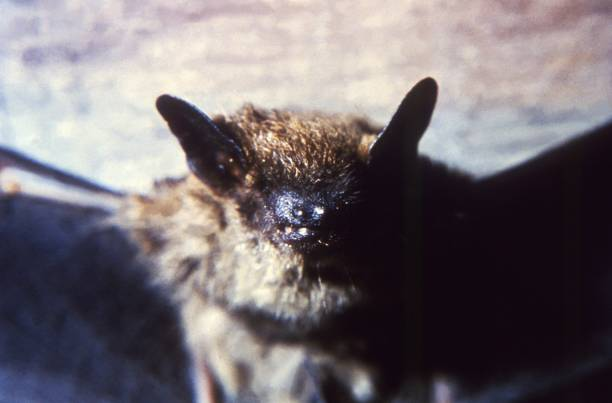
Bats, often shrouded in myth and fear, are emerging as one of the most consequential animal groups in both environmental conservation and global health discussions. Representing roughly a quarter of all mammal species and inhabiting nearly every continent except Antarctica, bats are not just ecological contributors—they are essential architects of ecosystems.
Yet, as new scientific discoveries unfold, bats are increasingly at the center of a complex narrative: one that spans conservation breakthroughs, disease surveillance, and changing human attitudes.
The Ecological Powerhouses Few Truly Understand
Despite their reputation, bats play indispensable roles in maintaining ecological balance. They are natural pest controllers, consuming vast quantities of insects and reducing the need for chemical pesticides in agriculture.
Beyond this, bats act as pollinators and seed dispersers, enabling the regeneration of forests and the survival of economically important plants.
One striking example comes from Nigeria, where conservationist Iroro Tanshi highlighted the connection between bats and everyday products:
“Your shea butter that a lot of people use – either raw or in cosmetic products around the world – is because of bats, which disperse the seeds of the tree.”
These ecological services are so critical that experts argue it is “almost impossible to ignore” their value once fully understood.
Conservation in Action: Changing Minds and Saving Species
In many parts of the world, bats are still feared or misunderstood. In Nigeria, for example, they are often associated with witchcraft, leading to persecution and habitat destruction.
However, a community-driven conservation model is beginning to change that narrative.
After rediscovering the endangered short-tailed roundleaf bat in the Afi Mountain Wildlife Sanctuary—seen for the first time in nearly 50 years—Iroro Tanshi launched a campaign to protect its habitat from wildfires.
The initiative focused not only on wildlife but also on local livelihoods. By addressing the shared problem of wildfires affecting farms, conservationists found a practical “hook” to engage communities.
Between 2022 and May 2025, community fire brigades helped prevent major wildfires across the 24,700-acre sanctuary.
At a global level, research underscores the importance of such collaboration. Citizen science—where communities participate in monitoring and conservation—has become “essential” for tracking bat populations and guiding policy decisions.
The Other Side of the Story: Bats and Emerging Diseases
While bats are ecological allies, they are also reservoirs for a range of viruses, placing them at the center of zoonotic disease research.
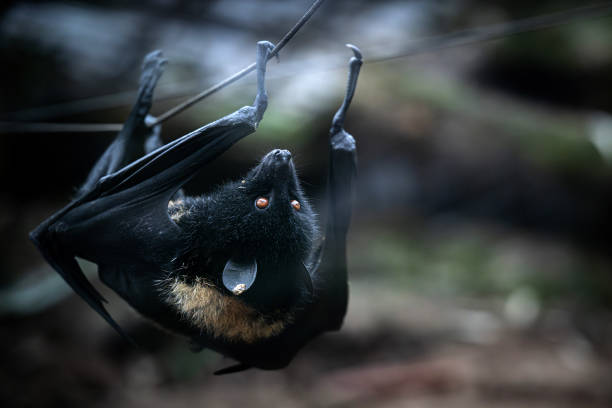
In Uganda’s Python Cave, home to around 40,000 Egyptian fruit bats, scientists documented an unusually high level of interaction between bats, predators, and humans.
Over 360 nights of monitoring, researchers observed:
- More than 300 wildlife encounters
- At least 14 predator species hunting bats
- Frequent human visits, often violating safety guidelines
The concern lies in the bats’ role as reservoirs of the Marburg virus—a pathogen capable of causing severe hemorrhagic fever in humans.
Unlike many hosts, bats themselves do not become ill. Instead, they carry and shed the virus, allowing it to persist in the population.
This creates what scientists describe as a “perfect setting for zoonotic disease spillover,” where viruses can jump between species and potentially reach humans.
One documented case involved a tourist who entered the cave, contracted the virus, and died within a week after returning home.
Scientific Breakthroughs Raise New Questions
Recent laboratory research has added another layer of complexity to the bat-human interface.
A study published in Nature revealed that certain bat-derived alphacoronaviruses can enter human cells using a previously unknown pathway involving the CEACAM6 receptor.
This discovery is significant because:
- Most alphacoronaviruses were previously thought unable to infect humans
- The new pathway suggests potential for future zoonotic transmission
- Similar viral strains have been identified across Africa and Eurasia
However, scientists caution against alarmism. Tests on 368 individuals near bat habitats found no evidence of widespread infection.
As one researcher explained:
“Cell entry is a necessary condition for zoonosis, not a sufficient one.”
In other words, while the door to human infection may exist, many additional factors are required for a virus to spread widely.
Human Activity: The Critical Link
A recurring theme across all research is the role of human behavior.
Encroachment into natural habitats, tourism near bat colonies, and agricultural practices such as land clearing all increase the likelihood of dangerous interactions.
In Uganda, for example, over 200 people were recorded approaching a high-risk bat cave, often coming within meters of infected colonies despite safety guidelines.
Similarly, wildfires in Nigeria—often started to clear farmland—pose a direct threat to bat habitats, illustrating how human activity simultaneously harms ecosystems and heightens risk.
Bridging Fear and Understanding
One of the biggest challenges in bat conservation is public perception.
Fear, misinformation, and cultural beliefs often lead to harmful actions against bats. Yet experts emphasize that coexistence is not only possible but necessary.
Simple measures—such as avoiding direct contact, maintaining safe distances, and supporting conservation efforts—can significantly reduce risks while preserving ecological benefits.
Education, especially among younger generations, is proving to be a powerful tool in reshaping attitudes.
The Future: Balancing Conservation and Global Health
Bats now sit at the intersection of two global priorities: biodiversity conservation and pandemic prevention.
On one hand, their ecological contributions are irreplaceable. On the other, their role as viral reservoirs demands careful monitoring.
Experts are calling for:
- Stronger regulation of wildlife tourism
- Expanded biosurveillance systems
- Increased community engagement in conservation
- Integration of ecological data with genomic research
The goal is not to fear bats, but to better understand and manage the conditions that bring humans into risky contact with them.
Conclusion: A Species Worth Protecting—and Respecting
Bats are neither villains nor simple wildlife—they are complex, essential, and deeply intertwined with both environmental health and human wellbeing.
From pollinating crops and dispersing seeds to shaping global disease research, their influence is vast. Yet their future depends on a delicate balance: protecting their habitats while minimizing risky human interactions.
As science continues to uncover new insights, one conclusion becomes increasingly clear: safeguarding bats is not just about saving a species—it is about protecting ecosystems, economies, and potentially human lives.