

A Life Shared, A Loss Felt: The Story of Kai Uwe and Detlef Steves
The Quiet Moment That Changed Everything
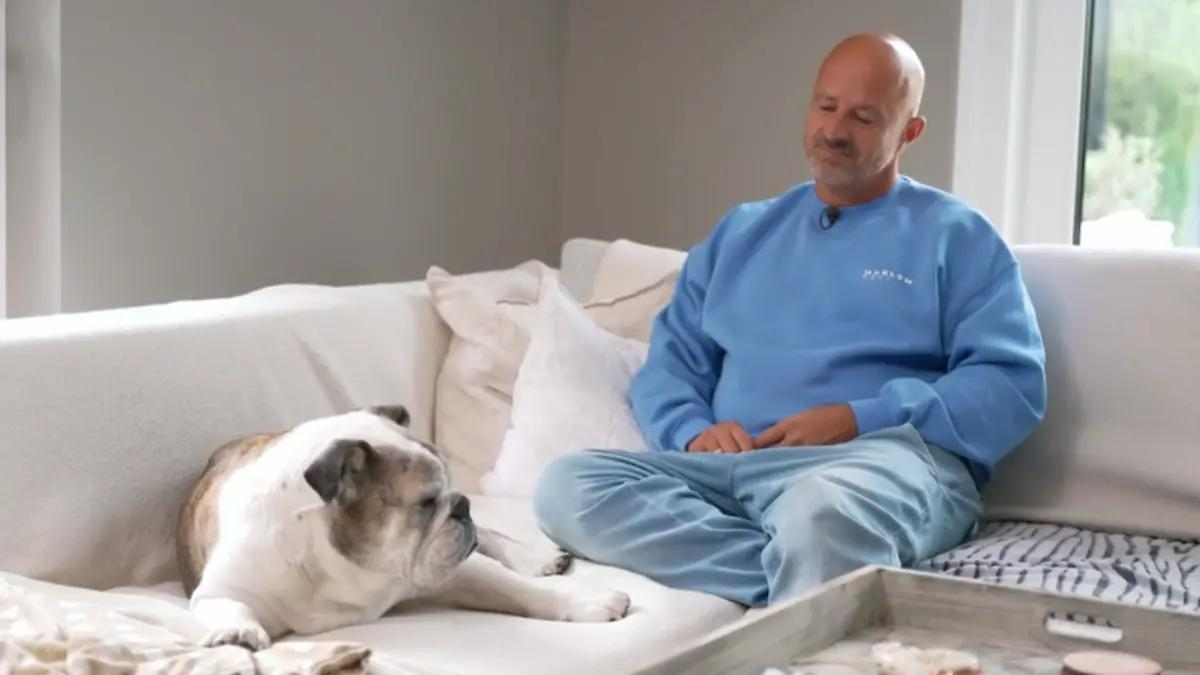
For nearly 16 years, Kai Uwe was not just a dog—he was a constant presence in the life of German television personality Detlef Steves. Known for his outspoken personality and appearances on shows such as Hot or Not, Steves has built a public image rooted in authenticity. That same honesty defined the moment he shared devastating news with his audience: Kai Uwe had passed away.
In an emotional video posted to social media, Steves revealed that his loyal companion died on April 9th at 9:05 p.m. The announcement came days later, after he found the emotional strength to speak. His voice trembled as he addressed fans, stating simply, “I owe you the final update on Kai Uwe.”
The loss was not sudden in the clinical sense—Kai Uwe had been battling age-related health issues—but its emotional impact was immediate and overwhelming. The silence left behind, Steves admitted, was “brutal.”
A Companion Through Life and Fame
Kai Uwe was more than a household pet. Over time, he became a recognizable figure in his own right, appearing alongside Steves in television segments and social media posts. Anyone familiar with Steves’ public life knew the dog who rarely left his side.
The bulldog’s presence extended beyond television. On social platforms, Kai Uwe cultivated a following of his own, with tens of thousands of fans engaging with updates, photos, and videos. His fan page, “Kai-Uwe Ultras,” reflected a level of connection that blurred the line between personal life and public persona.
This visibility amplified the emotional resonance of his passing. For many followers, the loss felt personal—not just the end of a pet’s life, but the disappearance of a familiar presence.
The Final Days: Managing Time and Letting Go
In the weeks leading up to his death, Steves had been transparent about Kai Uwe’s declining health. Age-related complications had taken their toll, and the reality of impending loss became unavoidable.
Despite this, Steves emphasized one critical point: Kai Uwe did not suffer.
“He passed away very peacefully,” he said, describing the moment as calm and dignified.
A veterinarian was present, and the decision to let go was made with careful consideration. Steves referenced advice from dog expert Martin Rütter, noting that there comes a moment when owners can sense the right time. That moment, he said, arrived on April 9th.
Even so, preparation did little to soften the emotional impact. “You always lose the battle in the end,” he admitted, a statement that captures the inevitability of such loss.
Grief in the Public Eye
What followed the announcement was an outpouring of empathy. Fans, fellow presenters, and public figures responded almost immediately.
Among those who shared condolences were television personalities like Jürgen Milski and Ruth Moschner, as well as Jan Köppen. Messages ranged from expressions of sympathy to reflections on the deep bond between humans and animals.
Martin Rütter offered a particularly personal note, highlighting the similarity between Kai Uwe and his owner—a testament to the connection they shared.
Steves’ own words carried the emotional core of the moment:
“The grief and the pain are the price we pay for almost 16 unforgettable years with you. Quite honestly, we pay it.”
The statement reflects a broader truth often recognized by pet owners: grief is inseparable from the depth of love.
Beyond Loss: Memory, Humor, and Legacy
In his farewell, Steves did not focus solely on grief. He paired his message with humorous video clips—moments from Kai Uwe’s life that captured his personality and the joy he brought.
This duality—pain and celebration—defines how many process loss. By sharing both, Steves created a narrative that was not only about death but about a life well lived.
He described Kai Uwe’s existence as “incredibly wonderful,” emphasizing that despite the sorrow, the years they shared were worth every moment.
This perspective resonates beyond the specifics of one story. It speaks to a universal experience: the emotional calculus of companionship, where years of loyalty and affection ultimately outweigh the inevitability of loss.
The Cultural Significance of a Personal Loss
At first glance, the death of a dog may seem like a private matter. Yet in this case, it became a cultural moment—one that highlights how modern audiences connect with public figures.
Steves’ openness transformed a personal event into a shared experience. In doing so, it underscored several broader dynamics:
- The humanization of public figures: Moments like this reveal vulnerability, strengthening audience connection.
- The role of pets in identity: For many, animals are not accessories but integral parts of life narratives.
- The evolution of grief in the digital age: Social media provides a platform where mourning becomes communal.
Kai Uwe’s story illustrates how even deeply personal losses can resonate widely when authenticity is present.
What Remains After Goodbye
The physical absence of Kai Uwe leaves a void that Steves described as “such emptiness, such a silence.”
Yet what remains is equally significant:
- Years of shared experiences
- A digital archive of memories
- A community of followers who witnessed the journey
In many ways, Kai Uwe’s presence continues—through images, videos, and the emotional imprint left on those who followed his story.
Conclusion: The Cost of Love, Paid Willingly
The story of Kai Uwe is not defined by his death, but by the life he shared with Detlef Steves. Nearly 16 years of companionship culminated in a moment of loss that was both deeply personal and widely felt.
Steves’ decision to share his grief openly transformed a private farewell into a collective reflection on love, loyalty, and loss. His words capture the essence of that experience:
The pain is real. The silence is heavy. But the years together make it worthwhile.
In the end, Kai Uwe’s legacy is not just in memories, but in the reminder that the bonds we form—especially with animals—are among the most genuine connections we can have.


