Ringo Starr: The Long Road of Rhythm, Reinvention, and Resilience
Introduction: A Legacy Still in Motion
Few figures in modern music embody longevity and reinvention quite like Ringo Starr. Known globally as the steady rhythmic backbone of The Beatles, Starr’s career has extended far beyond the band that reshaped popular music. In 2026, at 85 years old, he remains actively recording, collaborating, and redefining his artistic identity—most recently through a string of country-influenced releases and high-profile collaborations.
This is not a story frozen in the past. It is a living timeline of artistic evolution, shaped by chance decisions, creative partnerships, and a persistent commitment to music as expression.
The Near-Miss That Changed Music History
Before global fame, Starr’s trajectory could have diverged dramatically. In 1959, as a teenager in Liverpool, he seriously considered emigrating to Houston, Texas, driven by his admiration for blues legend Lightnin’ Hopkins.
At the time, Starr and John Lennon were not icons—just factory workers exploring opportunities abroad. They even began the immigration process, visiting the U.S. embassy and researching jobs. But bureaucracy intervened.
“When we went back to the embassy, we were given more paperwork with more questions. We then turned back into teenagers and just ripped them up. Sod it!”
That decision proved pivotal.
Within a few years, Starr would join The Beatles in August 1962, replacing drummer Pete Best. The rest is widely acknowledged as one of the most consequential turning points in cultural history.
The Beatles Era: Precision, Feel, and Innovation
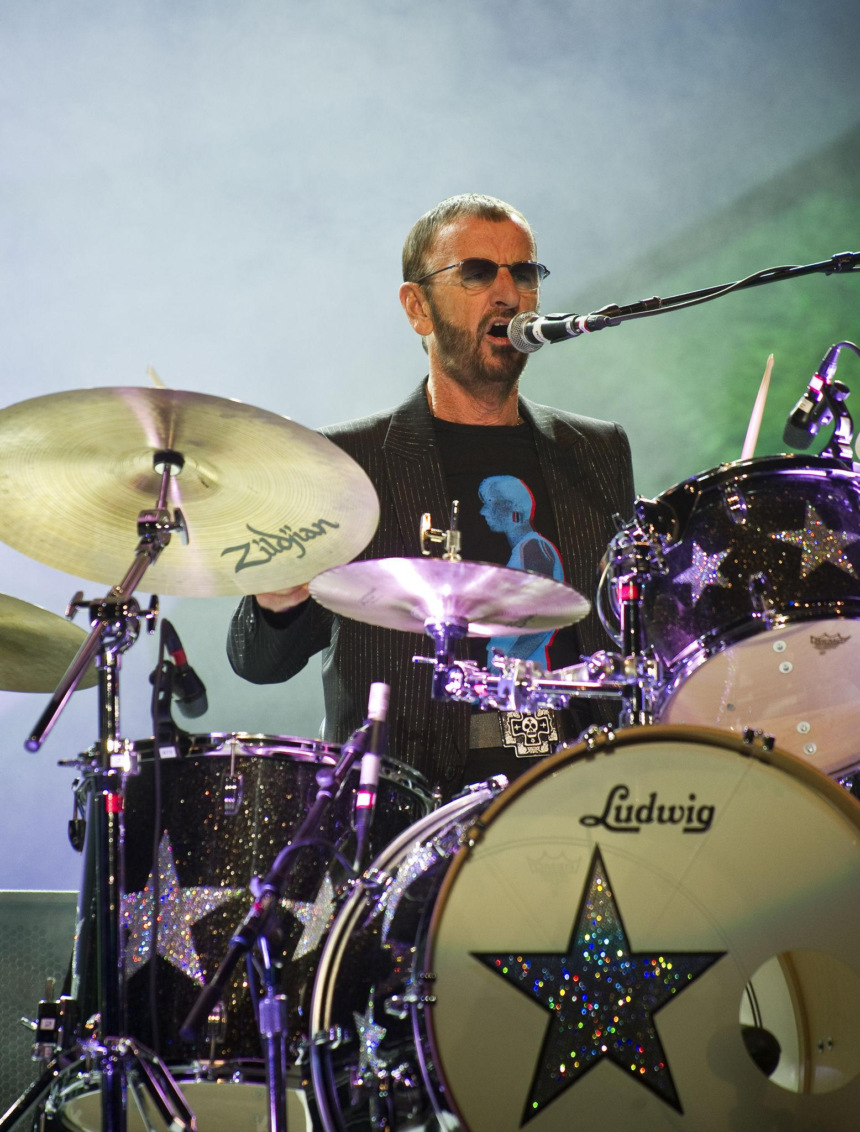
Starr’s drumming style has often been described as deceptively simple. In practice, it is highly nuanced. His tendency to play slightly behind the beat created a “swing” feel that became a defining characteristic of The Beatles’ sound.
Producer T Bone Burnett later summarized it succinctly: Starr’s rhythmic sensibility is “in my DNA.”
Unlike technically flashy drummers, Starr prioritized musicality—serving the song rather than dominating it. This approach contributed to the band’s adaptability across genres, from early rock and roll to psychedelic experimentation.
Reinvention Through Adversity
Starr’s path to music was shaped by early hardship. As a child, he spent extended time hospitalized with tuberculosis. It was during this period that he first encountered percussion instruments, sparking a lifelong commitment.
“I only wanted to be a drummer. That’s all I wanted to do.”
This origin story is critical to understanding his artistic philosophy. Starr’s playing is instinctive rather than academic—built on feel, emotion, and physical connection to rhythm rather than formal training.
The Country Chapter: A Late-Career Renaissance
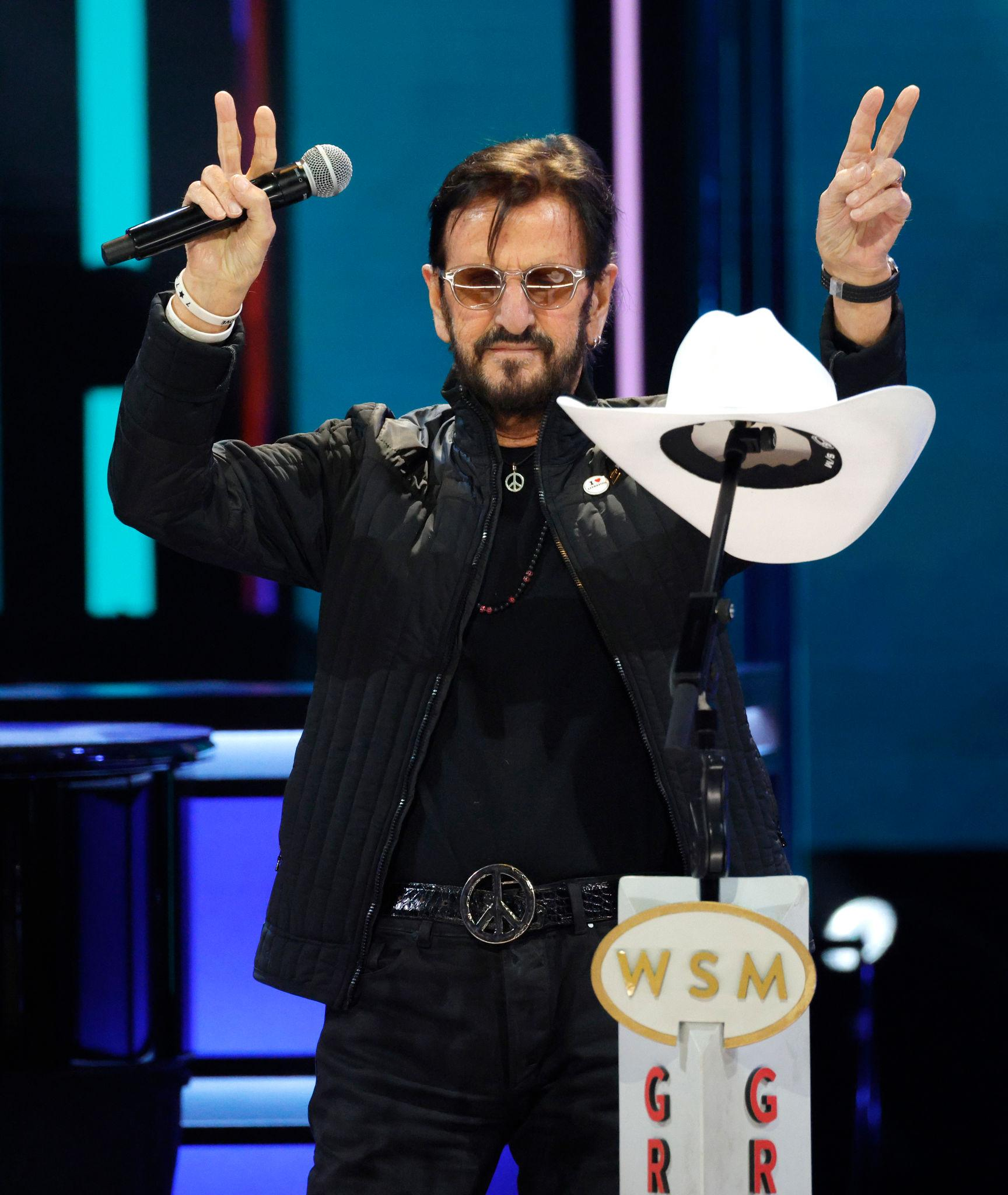
In recent years, Starr has pivoted toward Americana and country music—a direction that reflects both his early influences and current creative interests.
Long Long Road: A Reflective Work
His 2026 album Long Long Road continues a productive collaboration with T Bone Burnett, following their earlier project Look Up (2025). The album functions as a retrospective journey, blending nostalgia with contemporary production.
Key features of the album include:
- Collaborations with Sheryl Crow, Billy Strings, Molly Tuttle, and St. Vincent
- A reworked version of “Choose Love” with a psychedelic edge
- A reflective tone centered on life experience and personal philosophy
One notable spoken passage from the title track captures Starr’s introspective approach:
“Don’t be attacked by your thoughts… let them come in, let them go”
The album positions itself less as a commercial reinvention and more as an artistic consolidation—an elder statesman reflecting on decades of experience.
Collaboration with Paul McCartney: A Historic First
In 2026, Starr reunited with fellow Beatle Paul McCartney for a track titled “Home to Us”, featured on McCartney’s album The Boys of Dungeon Lane.
The song’s origin is unconventional. It began as a jam session in producer Andrew Watt’s studio, built initially on Starr’s drum track before McCartney developed the composition around it.
“Underneath the duo that Paul and I do, the song, it started with my drums… then Paul got the song and put everything else on it.”
McCartney emphasized the historical significance:
“Ringo’s never done a duet with one of the Beatles.”
This collaboration represents a rare moment in Beatles history—two surviving members formally sharing lead performance space in a duet format.
Musical Philosophy: Emotion Over Precision
A consistent theme throughout Starr’s career is his emphasis on emotional authenticity. His drumming is not repeatable by design.
“I can’t ever double-track it… my playing is an emotional state of mind.”
This philosophy distinguishes him from technically driven musicians. Instead of replicating patterns, Starr reacts to the moment, allowing each performance to remain unique.
Cultural Impact and Enduring Influence
Starr’s influence extends beyond technique. He helped redefine the role of a drummer in popular music:
- Elevated drumming from background rhythm to expressive element
- Contributed to genre fluidity within mainstream rock
- Inspired generations of musicians to prioritize feel over complexity
His persona—humorous, approachable, and grounded—also played a crucial role in shaping The Beatles’ public image.
Future Outlook: Sustained Creativity at 85
At an age when most artists have long retired, Starr remains active:
- Releasing new albums
- Collaborating with contemporary musicians
- Performing live
- Participating in high-profile projects
His current trajectory suggests continued output rather than closure. The partnership with T Bone Burnett and renewed collaborations with McCartney indicate a phase defined by reflection, experimentation, and legacy-building.
Conclusion: A Career Defined by Timing and Instinct
Ringo Starr’s story is not simply one of success—it is one of contingency. A failed immigration attempt, a hospital stay, a chance invitation to join a band—each moment shaped the course of his life and, by extension, modern music.
From Liverpool factory worker to global icon, his journey illustrates how instinct, resilience, and timing can converge into lasting cultural impact.
At 85, Starr does not operate as a nostalgic figure. He remains an active participant in music’s ongoing evolution—still walking, as his latest album suggests, a “long long road.”