


Catherine Bach and The Dukes of Hazzard: A Cultural Icon Revisited
The Role That Defined an Era
When Catherine Bach stepped into the role of Daisy Duke on the hit CBS series The Dukes of Hazzard, she didn’t just join a cast—she became a defining symbol of television in the late 20th century. Airing from 1979 to 1985 and spanning seven seasons with 147 episodes, the show blended rural adventure, humor, and rebellion into a formula that resonated with millions.
At the center of its enduring appeal was Daisy Duke—a confident, sharp, and independent character who balanced charm with capability. Bach’s portrayal transformed what could have been a supporting role into one of the most recognizable figures in television history.
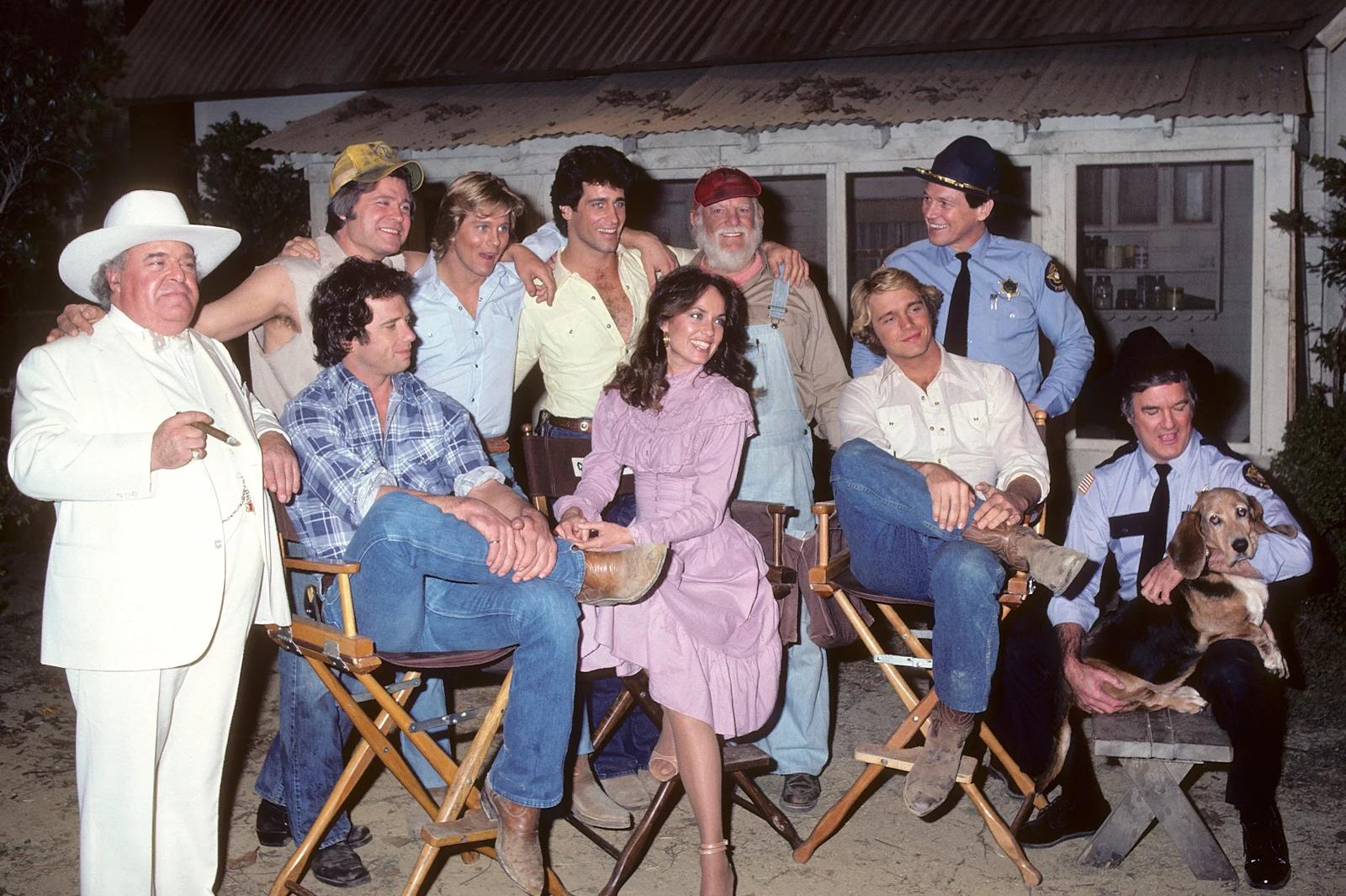
Daisy Duke: More Than a Supporting Character
Daisy Duke was written as the cousin of Bo and Luke Duke, but her role extended far beyond familial ties. She was often integral to the plot, helping outwit antagonists, navigating dangerous situations, and anchoring the emotional tone of the series.
Bach’s performance emphasized strength and relatability. Daisy was not a passive character; she was decisive, resourceful, and frequently central to resolving conflicts. This characterization distinguished her from many female roles of the era, contributing to the show’s broader cultural relevance.
One of the most enduring elements of Daisy Duke’s identity was her wardrobe—particularly the iconic cut-off denim shorts. According to production details, Bach herself contributed creatively by designing many of her costumes, including early outfits and the now-famous shorts that would later inspire the fashion term “Daisy Dukes.”
The Show’s Cultural Footprint
The Dukes of Hazzard was more than just a television program; it became a cultural phenomenon. Set in a fictional Southern county, the show featured high-speed car chases, comedic storytelling, and a recurring theme of defiance against authority.
Key cast members such as John Schneider and Tom Wopat complemented Bach’s performance, creating a dynamic ensemble that drove the show’s success. The chemistry among the cast was a critical factor in maintaining audience engagement over its seven-year run.
The show’s impact extended into multiple domains:
- Fashion: The “Daisy Duke” look became globally recognized.
- Television storytelling: It popularized a formula combining action, humor, and serialized character arcs.
- Pop culture branding: Characters and imagery from the show remain widely referenced decades later.
Career Momentum After Hazzard County
Following her breakthrough role, Catherine Bach expanded her career into both film and television. Early appearances included roles in productions such as Thunderbolt and Lightfoot (1974) and Cannonball Run II (1984).
Years later, she returned to television prominence with a recurring role as Anita Lawson on the long-running soap opera The Young and the Restless, beginning in 2012. This transition demonstrated her adaptability as an actress, moving from action-comedy to serialized drama while maintaining audience recognition.
Personal Life and Public Presence
Beyond her professional achievements, Bach’s personal life has also drawn public attention. She was married to David Shaw from 1976 to 1981 and later to Peter Lopez in 1990, with whom she had two children. Lopez passed away in 2010.
In recent years, Bach has remained active in public life, attending events, appearing in projects, and maintaining a presence on social media. Her continued visibility underscores the lasting connection she has with fans of The Dukes of Hazzard.
Recent Developments: A Health Scare and Reassurance
In 2026, Catherine Bach re-entered headlines following reports of a hospitalization. The situation prompted concern among fans, particularly given her long-standing association with the beloved series.
Her co-star John Schneider confirmed that she had been hospitalized but reassured the public of her recovery, noting that she expected to be fine and appreciated the support.
Shortly afterward, Bach shared a series of selfies on social media, signaling a positive update. In one image captioned “FAMILY ♥️,” she appeared relaxed and smiling, while another photo emphasized enduring friendships with the message: “Through so many of life’s milestones, we’re more than friends, we’re family! Xoxo.”
These updates provided a clear indication of her recovery and reaffirmed her connection with fans.
Why Daisy Duke Still Matters
The enduring relevance of Daisy Duke lies in a combination of factors:
- Character Strength: She was portrayed as capable and independent at a time when such roles were less common.
- Cultural Symbolism: Her style and personality became shorthand for a broader cultural moment.
- Performance Authenticity: Bach’s involvement in costume design and character development added depth and realism.
Decades after the show’s conclusion, the character remains instantly recognizable—a rare achievement in television history.
The Legacy of Catherine Bach and The Dukes of Hazzard
The legacy of The Dukes of Hazzard is inseparable from Catherine Bach’s contribution. While the series itself was built on ensemble storytelling, Daisy Duke emerged as one of its most influential elements.
Bach’s portrayal helped shape perceptions of female characters in mainstream television, balancing strength with accessibility. The show’s continued presence in syndication, fan conventions, and cultural references demonstrates its lasting appeal.
Even in 2026, Bach’s updates—whether related to her health or her daily life—continue to attract attention, reflecting a career that has remained relevant across multiple generations.
Conclusion
Catherine Bach’s role in The Dukes of Hazzard represents more than a successful television performance—it stands as a case study in how a character can transcend its original medium to become a cultural archetype.
From her breakthrough as Daisy Duke to her continued presence in entertainment and public life, Bach’s influence remains measurable and enduring. The combination of performance, cultural timing, and audience connection ensured that both the actress and the character would leave a permanent mark on television history.


