Cynthia Shange, Nonhle Thema, and a Legacy That Reshaped South African Culture
A Nation Reflects on the Life of Cynthia Philisiwe Shange
South Africa is in mourning following the death of Cynthia Philisiwe Shange, a pioneering actress and beauty queen whose life intersected with some of the country’s most defining historical moments. She passed away on Monday, 20 April 2026, at the age of 76 after a period of illness, marking the end of a career that spanned decades and reshaped perceptions of beauty, representation, and artistic expression.
- A Nation Reflects on the Life of Cynthia Philisiwe Shange
- A Career Forged Against the Constraints of Apartheid
- From Pageantry to Performance: A Defining Acting Career
- Recognition, Advocacy, and Influence Beyond the Screen
- The Personal Dimension: Family, Identity, and Legacy
- Cultural Impact: Why Cynthia Shange’s Story Matters
- Final Reflections: The End of an Era, the Continuation of Influence
Her passing has drawn tributes from across the political, cultural, and entertainment spectrum. Among those leading the condolences was President Cyril Ramaphosa, who described her as “a pathfinder,” acknowledging her role in breaking barriers during one of South Africa’s most restrictive eras.
At the center of the personal tributes is her daughter, Nonhle Thema, who shared the news publicly, expressing profound grief while celebrating her mother’s compassion and enduring influence.


A Career Forged Against the Constraints of Apartheid
Breaking Barriers on the Global Stage
Cynthia Shange’s rise to prominence in the early 1970s was not just a personal achievement—it was a political and cultural statement.
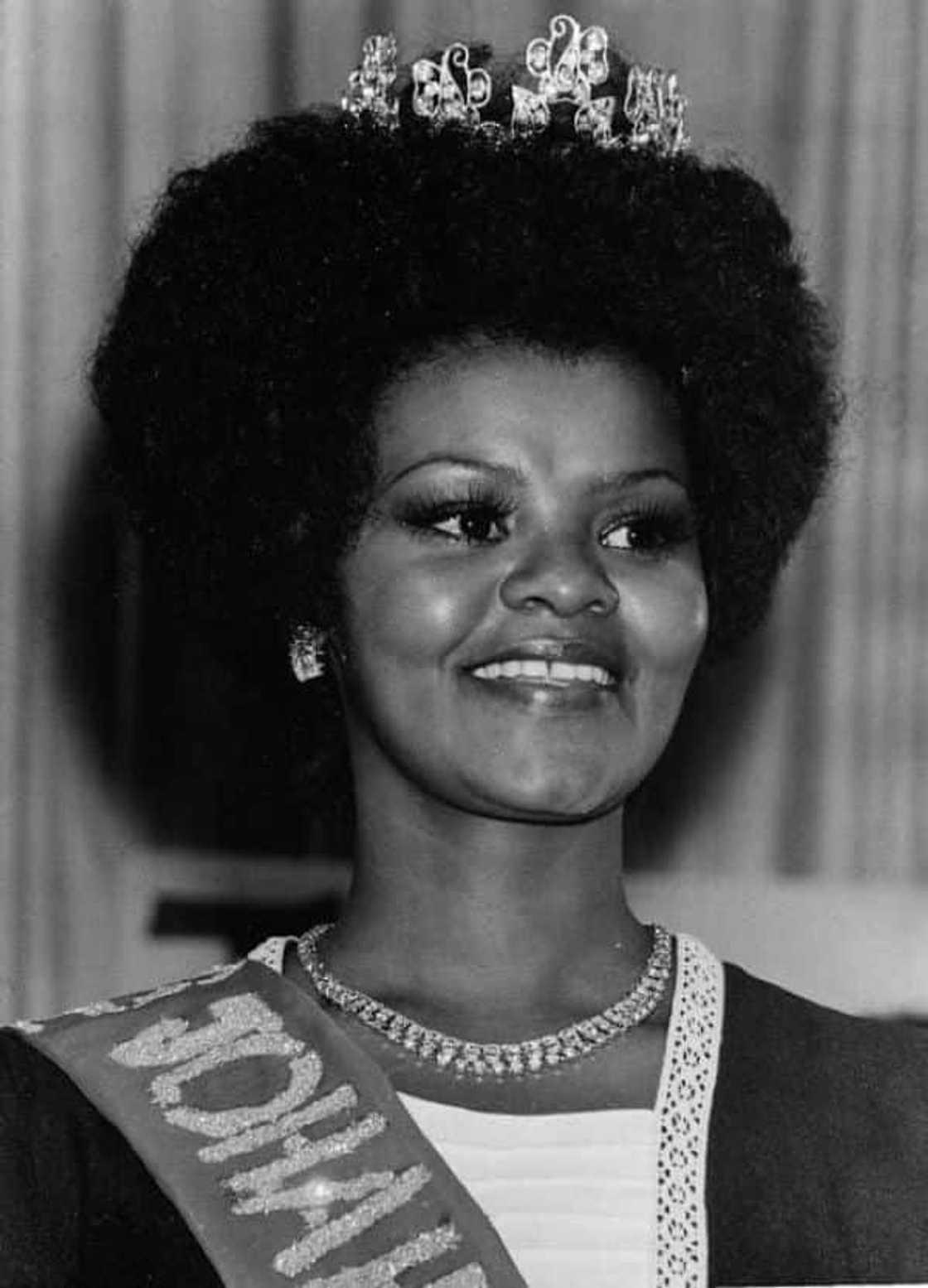
Born on 27 July 1949, she entered the spotlight at a time when apartheid laws excluded Black South Africans from mainstream national platforms. Because Black women were barred from competing in Miss South Africa, alternative pageants such as Miss Africa South were created. Shange won this title, earning her the opportunity to represent South Africa internationally.


In 1972, she competed at the Miss World in London, finishing fifth—a remarkable achievement given the political tensions surrounding South Africa’s participation at the time.
Her presence alone was transformative. She became widely regarded as the first Black woman to represent South Africa at Miss World, challenging global perceptions shaped by apartheid-era policies.
From Pageantry to Performance: A Defining Acting Career
Building a Cultural Legacy Through Film and Television
After her success in pageantry, Shange transitioned into acting, where she established herself as a formidable presence in South African cinema and television.
Her early work included Udeliwe, widely recognized as one of the first Black feature films in the country.


She later gained international recognition for her role as Mkabi in the historical drama Shaka Zulu, and became a household name through her long-running portrayal of MaNkosi Buthelezi in Muvhango.
Her performances were characterized by emotional depth and authenticity, often depicting strong women navigating systemic challenges. Colleagues consistently described her as both a mentor and a disciplined professional who advocated for greater representation of Black talent in the arts.
Recognition, Advocacy, and Influence Beyond the Screen
Awards and Industry Contributions
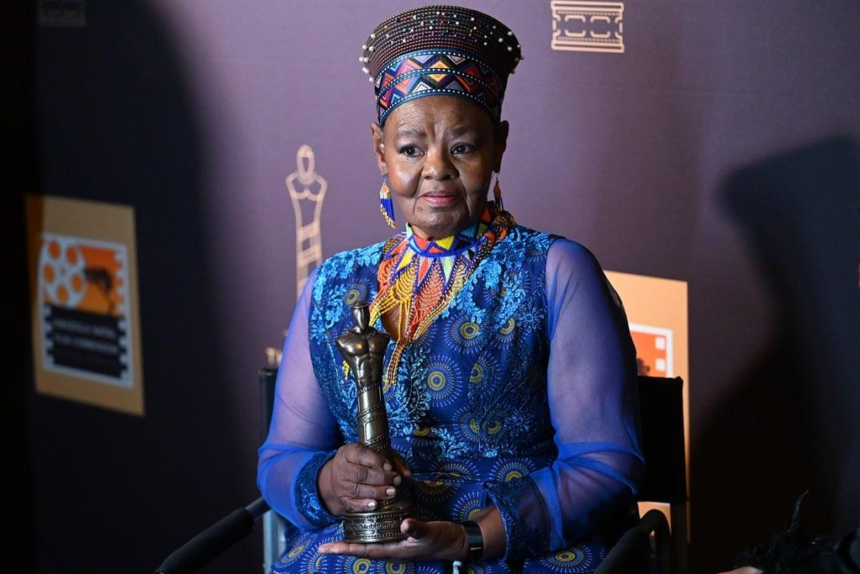
Shange’s contributions were formally recognized in her later years. In 2024, she received a Lifetime Achievement Award at the Simon Mabhunu Sabela Awards, honoring her decades-long impact on South African film and television.
She also received multiple industry honors, including recognition from the South African Film and Television Awards (SAFTAs), reflecting her influence across generations.
Advocacy for Artists
Beyond her artistic achievements, Shange became an outspoken advocate for performers, particularly regarding financial security and industry support structures. She highlighted systemic challenges faced by veteran actors and pushed for reforms to protect creative professionals.
Her advocacy extended to mentoring emerging talent, especially in KwaZulu-Natal, where she remained actively involved in cultural initiatives.
The Personal Dimension: Family, Identity, and Legacy
Nonhle Thema and the Family Tribute
The public learned of Shange’s passing through her daughter, Nonhle Thema, who described her mother as a “graceful and compassionate soul.”
A tribute shared by the family captured the essence of her character:
“A graceful and compassionate soul whose presence brought warmth, dignity, and kindness to all those who knew her. We honour her journey, her strength, and the love she shared so generously.”
Shange is survived by her children, grandchildren, and great-grandchildren, leaving behind a multi-generational legacy that extends beyond her professional accomplishments.
Cultural Impact: Why Cynthia Shange’s Story Matters
Redefining Beauty and Representation
Shange’s participation in Miss World during apartheid was more than symbolic—it disrupted entrenched narratives about race, identity, and global representation.
Her achievements demonstrated that talent and presence could transcend systemic exclusion, inspiring generations of Black women to pursue opportunities previously denied to them.
A Catalyst for Change in the Arts
Her acting career further reinforced this impact. By portraying complex, resilient characters, she contributed to a broader cultural shift in how Black South Africans were represented on screen.
Her work helped lay the foundation for a more inclusive entertainment industry, one that continues to evolve today.
Final Reflections: The End of an Era, the Continuation of Influence
Cynthia Philisiwe Shange’s death marks a significant moment in South Africa’s cultural history. She belonged to a generation that confronted systemic barriers head-on and transformed them into platforms for progress.
Her life encapsulates a journey from exclusion to influence—from competing under constrained circumstances to becoming a celebrated national figure.
While her passing leaves a void in the arts, her legacy remains structurally embedded in the industry she helped shape. The doors she opened continue to benefit those who follow.
As tributes continue to emerge, one conclusion stands firmly: Cynthia Shange was not only a performer but a catalyst for cultural transformation.