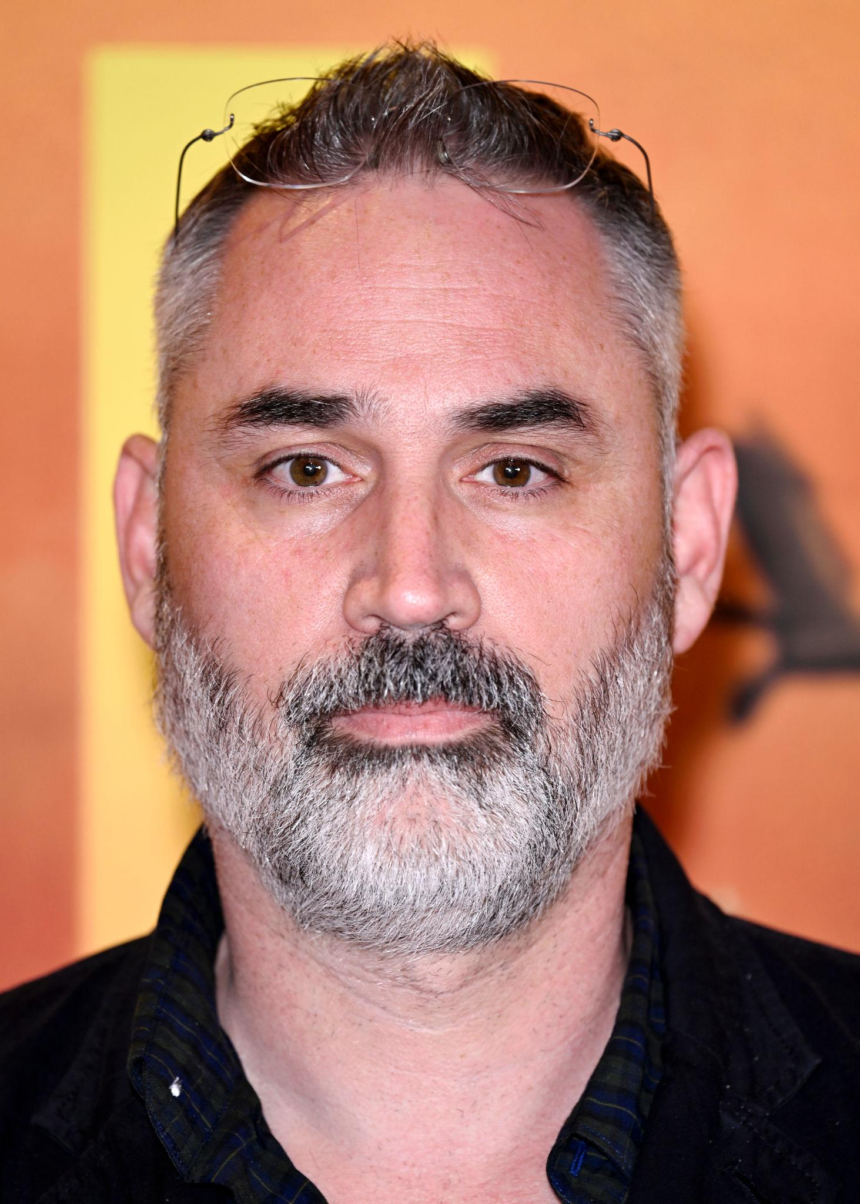
Alex Garland: The Architect of Modern Sci-Fi and the Director Behind Elden Ring’s Bold Leap to Cinema
Introduction: A Filmmaker at the Center of a Major Cultural Shift
Few contemporary filmmakers move as fluidly between literature, screenwriting, and directing as Alex Garland. Known for his intellectually dense storytelling and visually precise filmmaking, Garland has built a reputation as one of the defining creative voices in modern science fiction and speculative cinema.
- Introduction: A Filmmaker at the Center of a Major Cultural Shift
- From Novelist to Screen Visionary
- The Directorial Breakthrough: Precision and Philosophy
- The Elden Ring Adaptation: Scale, Ambition, and Risk
- A High-Stakes Production
- A Cast Designed for Scale and Depth
- The Source Material: A Cultural Phenomenon
- Why Garland Is a Strategic Choice
- Industry Implications: A New Era for Game Adaptations
- The Creative Risk Factor
- Looking Ahead: What This Means for Garland’s Legacy
- Conclusion: A Defining Chapter in a Carefully Built Career
In 2026, his career reached a new inflection point. Garland was confirmed as the writer and director of a live-action adaptation of Elden Ring—a project that signals not only his continued evolution but also a broader shift in how major game properties are being translated into film.
This article examines Garland’s trajectory, his artistic philosophy, and the implications of his latest high-profile project.


From Novelist to Screen Visionary
Garland’s career did not begin in cinema. He first emerged as a novelist, gaining attention for his debut book The Beach, a work that explored themes of isolation, utopia, and human psychology—motifs that would later define his filmmaking.
His transition into screenwriting marked a turning point. Garland contributed to projects that blended genre storytelling with philosophical depth, gradually establishing a signature tone characterized by:


- Existential inquiry
- Controlled pacing
- Minimalist yet immersive world-building
- Ethical dilemmas embedded in technology and human behavior
This foundation set the stage for his directorial breakthrough.
The Directorial Breakthrough: Precision and Philosophy
Garland’s debut as a director came with Ex Machina, a film that quickly became a benchmark for modern sci-fi cinema. It demonstrated his ability to combine:
- Tight, dialogue-driven storytelling
- Conceptual exploration of artificial intelligence
- Controlled visual environments
He followed this with projects such as Annihilation and Civil War, each expanding his thematic range while maintaining a consistent intellectual rigor.
By the time Civil War was released, Garland had already proven his capacity to handle larger-scale productions. That experience is particularly relevant to his latest undertaking—Elden Ring, a project of significantly greater scope and complexity.


The Elden Ring Adaptation: Scale, Ambition, and Risk
A High-Stakes Production
In April 2026, Bandai Namco Entertainment and A24 confirmed that Garland would helm the live-action adaptation of Elden Ring, with a theatrical release set for March 3, 2028.
Production began in Spring 2026, with filming designed specifically for IMAX presentation—an indication of the project’s technical ambition.
The film is reported to have a budget exceeding $100 million, positioning it as one of A24’s largest and most ambitious productions to date.
A Cast Designed for Scale and Depth
The ensemble cast reflects a deliberate balance between rising stars and established performers:
- Kit Connor
- Ben Whishaw
- Cailee Spaeny
- Tom Burke
- Havana Rose Liu
- Sonoya Mizuno
- Jonathan Pryce
- Ruby Cruz
- Nick Offerman
- John Hodgkinson
- Jefferson Hall
- Emma Laird
- Peter Serafinowicz
This lineup combines Garland’s frequent collaborators with emerging talent, suggesting a production strategy built on both familiarity and fresh energy.
The Source Material: A Cultural Phenomenon
The original Elden Ring game, developed under Hidetaka Miyazaki and based on a mythological framework by George R. R. Martin, debuted in 2022.
Its impact was immediate and substantial:
- Over 30 million copies sold worldwide
- More than 400 Game of the Year awards
- A lasting influence on open-world game design
The narrative centers on a fractured world known as the “Lands Between,” where players seek to restore the shattered Elden Ring, a powerful artifact that once maintained order.
Adapting such a non-linear, player-driven narrative into a coherent cinematic structure presents a unique challenge—one that aligns with Garland’s strengths in abstract storytelling.
Why Garland Is a Strategic Choice
Garland’s selection as director is not incidental. His body of work demonstrates several competencies directly relevant to Elden Ring:
1. Handling Abstract Narratives
His films often avoid conventional exposition, relying instead on atmosphere and implication—useful for translating Elden Ring’s fragmented storytelling.
2. Experience with Philosophical Themes
The game’s core themes—decay, ambition, power, and rebirth—fit naturally within Garland’s established creative framework.
3. Visual Restraint Meets Scale
While Garland is known for minimalism, his recent work shows an ability to scale up without sacrificing control.
Industry Implications: A New Era for Game Adaptations
The Elden Ring film represents a broader shift in the entertainment industry:
From Adaptation to Interpretation
Earlier game adaptations often prioritized replication. Projects like this suggest a move toward reinterpretation—allowing filmmakers to shape the material through a distinct creative lens.
Elevated Production Standards
With IMAX filming and a nine-figure budget, expectations are aligned with major blockbuster franchises rather than niche adaptations.
Cross-Media Franchise Potential
Given the scale of the IP and its global audience, the film could serve as a foundation for a multi-project cinematic universe.
The Creative Risk Factor
Despite its potential, the project carries significant risk:
- Translating a non-linear game narrative into a linear film format
- Meeting fan expectations while appealing to general audiences
- Maintaining artistic identity within a large-scale production
Garland’s career suggests a willingness to embrace these challenges rather than dilute them.
Looking Ahead: What This Means for Garland’s Legacy
If successful, Elden Ring could redefine Garland’s position in the industry—from a respected auteur to a filmmaker capable of anchoring large-scale franchise storytelling without losing intellectual depth.
Conversely, even partial success would reinforce his reputation as a director willing to push boundaries in an era often defined by formula.
Conclusion: A Defining Chapter in a Carefully Built Career
Alex Garland’s journey—from novelist to one of the most distinctive directors in modern cinema—has been marked by deliberate choices and a consistent thematic focus.
His involvement in Elden Ring is not a departure from that trajectory but an extension of it. The project merges his strengths—philosophical storytelling, visual control, and narrative ambiguity—with a globally recognized property.
Whether the film ultimately reshapes the landscape of video game adaptations or simply stands as another ambitious experiment, it represents a significant moment—not just for Garland, but for the evolving relationship between games and cinema.