


Kyren Wilson: Precision, Pressure, and the Making of a Modern Champion
Introduction: A Champion Under the Microscope
Few players in modern snooker embody composure under pressure quite like Kyren Wilson. Known for his methodical approach and tactical sharpness, Wilson has carved out a reputation as one of the sport’s most resilient competitors. Yet, the 2026 World Snooker Championship has placed him in a situation that reveals both the strength and vulnerability of elite performance: defending expectations while confronting emerging talent.
This is not just a story of results—it is a deeper look at form, mindset, and the shifting competitive landscape surrounding one of snooker’s most consistent figures.
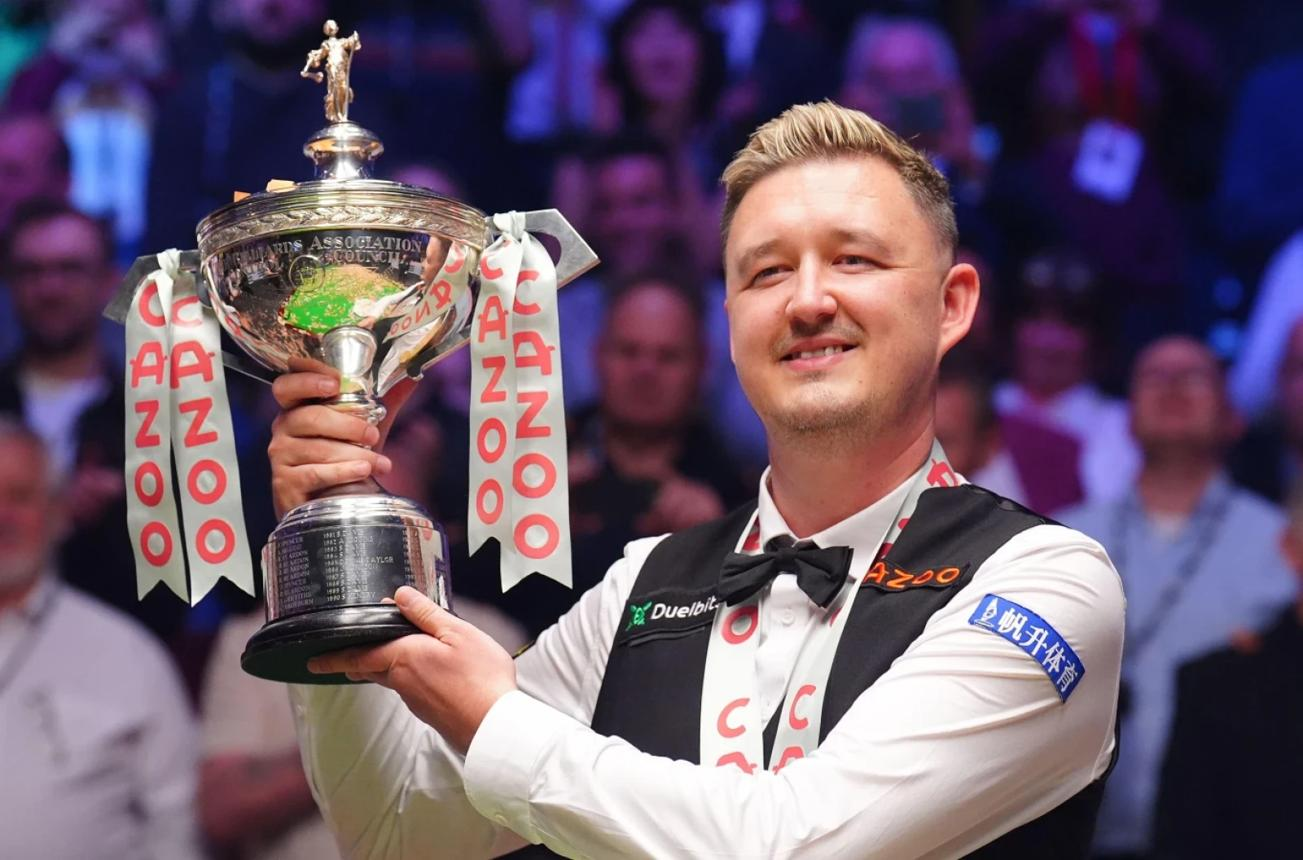
The Current Chapter: A Challenging Crucible Campaign
At the ongoing World Snooker Championship, Wilson entered as a proven contender, but his opening match has been far from routine. Facing teenage debutant Stan Moody, the narrative quickly turned into a test of control versus momentum.
Moody surged ahead with a commanding 6–3 lead in the opening session, showcasing high-quality break-building and fearless shot selection. His performance included:
- An opening break of 84
- A 91 break to extend early dominance
- Two century breaks (110 and 101)
Wilson, despite his pedigree, struggled to find rhythm early on. He managed to win frames in patches, including a composed 77 break to reduce the deficit, but the overall balance of play leaned heavily toward the debutant.
The situation is clear: Wilson must recover multiple frames in the evening session to avoid an early exit—a scenario that underscores the unpredictable nature of elite snooker competition.
The Psychology of a Champion
Wilson’s career has been defined not only by technical skill but by psychological endurance. Even in this match, his behavior reflects the habits of a seasoned competitor:
- Taking time in practice rooms between sessions to regain fluency
- Attempting to recalibrate rhythm after disrupted play
- Maintaining composure despite scoreboard pressure
This is consistent with how top-tier players operate at the Crucible. The margins are thin, and small lapses—missed reds, positional errors—can cascade into significant deficits.
Wilson’s challenge here is less about ability and more about timing: finding his scoring flow before the match slips beyond recovery.
Career Context: Why Kyren Wilson Remains a Threat
Despite the current pressure, Wilson’s broader profile remains formidable.
He is a World Champion (2024) and has recently secured major titles such as:
- The Masters
- The Shanghai Masters
Both victories, while non-ranking, reinforced his ability to perform on big stages. However, his ranking-event consistency has fluctuated, as seen in his failure to qualify for the Players Championship and Tour Championship in recent weeks.
Still, Wilson himself remains confident:
“I think I’m right in there in the mix myself.”
That confidence is not unfounded. His game—built on solid cue-ball control, safety play, and tactical discipline—typically holds up well over long formats.
A Competitive Field: No Clear Favorite
One of the defining themes of the current championship is competitive parity. Wilson has identified multiple serious contenders, including:
- Zhao Xintong (defending champion)
- Ronnie O’Sullivan (historical dominance, recent form)
- Judd Trump (consistent high-level performance)
He also acknowledged the rising strength of Chinese players, suggesting the possibility of another international champion.
His broader assessment captures the tournament’s volatility:
“You could literally pick about 10 to 16 players that could go on and win this tournament.”
This environment places additional pressure on established players like Wilson—there is little margin for slow starts or tactical misfires.
The Emerging Threat: A Generational Shift
Wilson’s current match also reflects a larger trend in snooker: the emergence of younger, fearless competitors.
Stan Moody’s performance is emblematic of this shift:
- Ranked 44th in the world
- Playing aggressively with minimal hesitation
- Demonstrating high break-building under pressure
Remarkably, Moody entered the tournament after recovering from illness and still delivered a high-caliber performance, including a 10–9 qualifying win against Jiang Jun.
For Wilson and his contemporaries, this signals a changing competitive dynamic—experience alone is no longer a sufficient buffer.
Tactical Breakdown: Where the Match Is Being Won
From a technical perspective, the early session highlights three critical factors:
1. Break-Building Efficiency
Moody capitalized on early chances with decisive scoring visits, while Wilson failed to convert comparable opportunities.
2. Shot Selection and Confidence
Moody’s willingness to take on long reds set the tone. Wilson, by contrast, appeared cautious in early frames.
3. Momentum Control
Snooker matches often hinge on mini-streaks. Moody’s consecutive frame wins—especially through century breaks—created scoreboard pressure that Wilson has yet to neutralize.
What Happens Next?
The evening session becomes decisive. Wilson must:
- Increase scoring consistency
- Apply sustained tactical pressure
- Limit unforced errors
Given his track record, a comeback is not implausible. However, the margin for error is effectively gone.
Conclusion: A Defining Moment in Motion
Kyren Wilson’s current situation at the Crucible encapsulates the reality of elite sport: reputation provides no guarantees.
He remains one of the game’s most accomplished players, a world champion with proven resilience. Yet, in this moment, he is confronting both a specific opponent in peak form and a broader shift in competitive balance.
Whether he stages a comeback or exits early, the implications extend beyond a single match. They speak to the evolving nature of professional snooker—where experience meets fearless youth, and outcomes are increasingly uncertain.


