

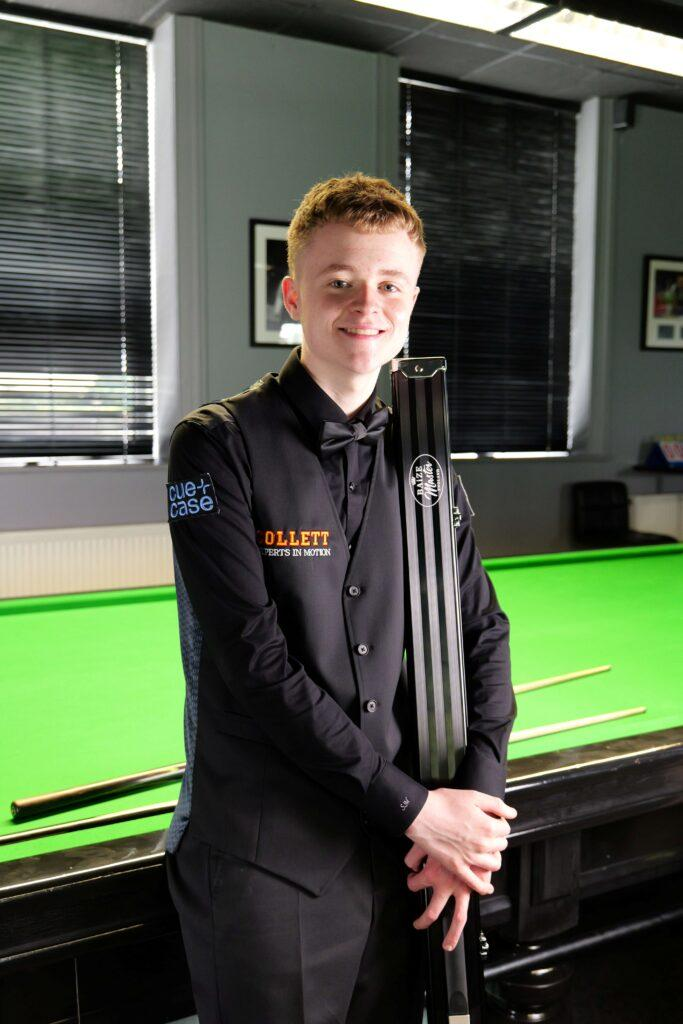
Stan Moody vs Kyren Wilson: A Breakthrough Moment in Snooker’s Next Generation
A Teenage Debut That Demanded Attention
The opening rounds of the 2026 World Snooker Championship at the Crucible Theatre delivered a compelling narrative: a 19-year-old newcomer stepping onto the sport’s most iconic stage and immediately challenging one of its established champions. That newcomer, Stan Moody, has quickly shifted from promising prospect to headline figure after an assured and fearless debut against Kyren Wilson.
Moody’s arrival was not framed as a ceremonial introduction. It was a performance—measured, aggressive, and technically sharp—that forced both fans and analysts to reassess expectations. By the end of the first session, he had built a 6–3 lead, a scoreline that reflected both composure and authority rather than early-stage nerves.
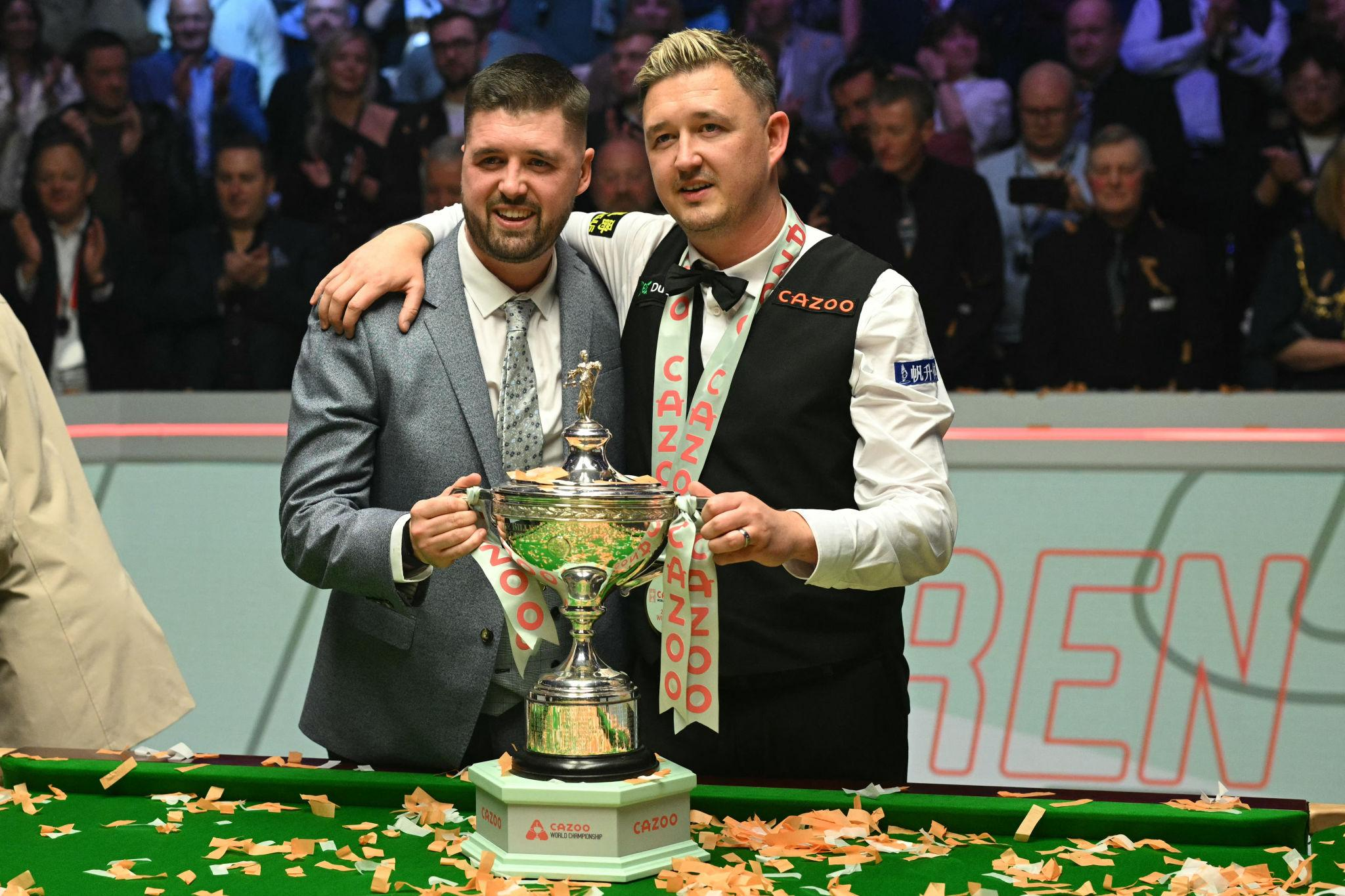
From Halifax to the Crucible: A Rapid Ascent
Moody’s trajectory into the professional ranks has been unusually accelerated. Born in Halifax, West Yorkshire, he developed through local cue-sports circuits, progressing across youth categories before transitioning into elite competition.
Several milestones define his rise:
- Victory at the WSF World Junior Championship in 2023, securing a professional tour card
- Entry into the world’s top 50 rankings within a short span
- Multiple ranking quarter-final appearances during the 2025–26 season
- A Crucible debut at 19—the youngest British teenager to do so since Judd Trump in 2007
This progression reflects not just technical skill but competitive maturity. Even before his Crucible appearance, he had already demonstrated the capacity to perform under pressure, including televised wins as a teenager and high-scoring frames in elite competition.
First Session: Tactical Control and Scoring Precision
Against a player of Wilson’s calibre—a former world champion and one of the sport’s most consistent competitors—the expectation was that experience would dictate the pace. Instead, Moody controlled the opening exchanges.
His first session included:
- An opening break of 84, immediately setting the tone
- A follow-up 91 to extend early dominance
- Century breaks of 110 and 101, reinforcing his scoring capability
- A 6–3 session lead heading into the evening match
What stood out was not just the scoring volume but the shot selection—particularly long pots executed with confidence and minimal hesitation. Observers noted that his approach resembled a player with far more experience at the venue.
Composure Under Pressure: No Signs of a Debutant
The Crucible Theatre is known for exposing inexperience. The atmosphere, visibility, and stakes often lead to tentative play among first-time participants. Moody, however, displayed the opposite.
He opened his World Championship career by potting a red with his very first shot—an early signal of intent that resonated widely among spectators and commentators.
Social reactions reinforced this impression:
- Comparisons to Ronnie O’Sullivan, particularly in terms of playing style and confidence
- Observations about his “zero fear” and composure under pressure
- Predictions suggesting a future world champion in the making
While such comparisons are premature, they reflect the visual impact of his performance rather than statistical exaggeration.
Expert Analysis: “A Star Is Already Being Born”
The reaction from established figures within the sport has been equally significant. During live commentary, snooker legend Steve Davis delivered a striking assessment:
“This is monstrous. This is absolutely monstrous. I know it’s early days but it looks like a star is already being born.”
Davis went further, suggesting that continued improvement could place Moody in contention for becoming the youngest world champion—challenging long-standing records.
Seven-time champion Stephen Hendry also acknowledged the unexpected level of performance, noting that Moody had exceeded even informed expectations.
These assessments are notable not for their optimism, but for their specificity. They are rooted in observable metrics: break-building, shot execution, and match control.
Kyren Wilson’s Position: Experience vs Momentum
For Wilson, the situation represents a familiar but difficult dynamic: facing an opponent with nothing to lose and everything to gain.
Despite trailing, Wilson managed to take frames and remains within reach of a comeback. The match format—a race to 10 frames—allows for momentum shifts, particularly in longer sessions.
However, the challenge is structural:
- Moody’s early lead reduces tactical flexibility
- High break scoring limits defensive recovery opportunities
- Psychological pressure increases as expectations shift
Wilson must now balance aggression with control, knowing that any lapse could allow Moody to extend his advantage further.
Playing Through Adversity: A Test of Resilience
One of the more revealing aspects of Moody’s journey to the Crucible is his physical condition leading into the tournament.
He reportedly overcame tonsillitis, even discharging himself from hospital shortly before qualifying matches.
Despite this, he:
- Won a deciding-frame qualifier against Jiang Jun (10–9)
- Produced a hat-trick of century breaks in qualifying
- Maintained peak performance in his Crucible debut
This element adds a layer of resilience to his profile. It suggests that his performance is not solely dependent on ideal conditions—a key indicator of long-term competitiveness.
Broader Implications: A Shift in Snooker’s Competitive Landscape
Moody’s emergence fits into a broader pattern within professional snooker: the gradual infusion of younger players capable of challenging established hierarchies.
Several implications follow:
1. Generational Transition
Veterans such as O’Sullivan and other established champions continue to compete at elite levels. However, performances like Moody’s signal the beginning of a transition phase.
2. Increased Competitive Depth
The gap between top-ranked players and emerging talent appears to be narrowing. Early-round matches are becoming less predictable.
3. Audience Engagement
Younger players bring renewed attention, particularly through social media reactions and comparisons to iconic figures.
4. Technical Evolution
Moody’s style—aggressive break-building combined with confident long potting—aligns with modern snooker trends emphasizing scoring over safety play.
What Comes Next?
The immediate focus remains on the continuation of the match. With the evening session set to resume, the outcome is still undecided.
Key variables include:
- Wilson’s ability to disrupt Moody’s rhythm
- Moody’s consistency under extended match pressure
- Tactical adjustments from both players
Regardless of the final result, Moody has already achieved a critical milestone: he has established himself as a credible competitor at the highest level of the sport.
Conclusion: More Than a Debut
Stan Moody’s performance against Kyren Wilson is not simply a promising debut—it is a statement of intent.
He has demonstrated:
- Technical proficiency at elite level
- Psychological resilience under pressure
- The ability to translate junior success into professional impact
For snooker, this moment represents more than a single match. It is a glimpse into the sport’s future—one where emerging talents are no longer waiting their turn but actively reshaping the competitive order.
Whether Moody advances or not, the conclusion is already clear: his presence at the Crucible is unlikely to be a one-time appearance.


