Dillon Brooks: Edge, Impact, and the Fine Line Between Villain and Leader
The Relentless Competitor at the Center of Attention
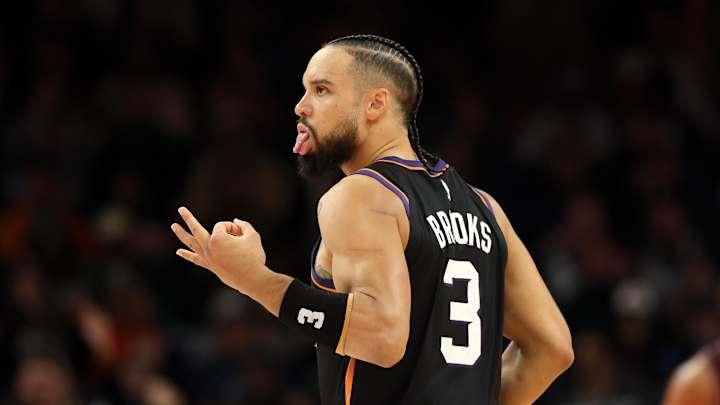
Few players in the modern NBA generate as much conversation as Dillon Brooks. Whether it is his defensive intensity, outspoken personality, or evolving offensive role, Brooks has become one of the league’s most polarizing yet undeniably impactful figures.
- From Defensive Specialist to Offensive Contributor
- The Play-In Tournament: Pressure, Performance, and Reality
- The Context Behind the Numbers
- Respect, Rivalry, and Reputation
- The Suns’ Experiment: Structure and Identity
- Style of Play: Why Dillon Brooks Matters
- The Cultural Impact: Villain, Competitor, or Both?
- What Comes Next?
- Conclusion: The Unfinished Narrative
In 2026, that spotlight intensified as Brooks found himself at the heart of a high-stakes play-in tournament clash between the Phoenix Suns and the Portland Trail Blazers. The stakes were clear: win and advance to the playoffs, lose and see the season end abruptly.
Brooks’ response to the moment was characteristically blunt: “job’s not done yet.” It is a phrase that captures both his mindset and his career trajectory—unfinished, uncompromising, and constantly evolving.


From Defensive Specialist to Offensive Contributor
A Career Year—With Nuance
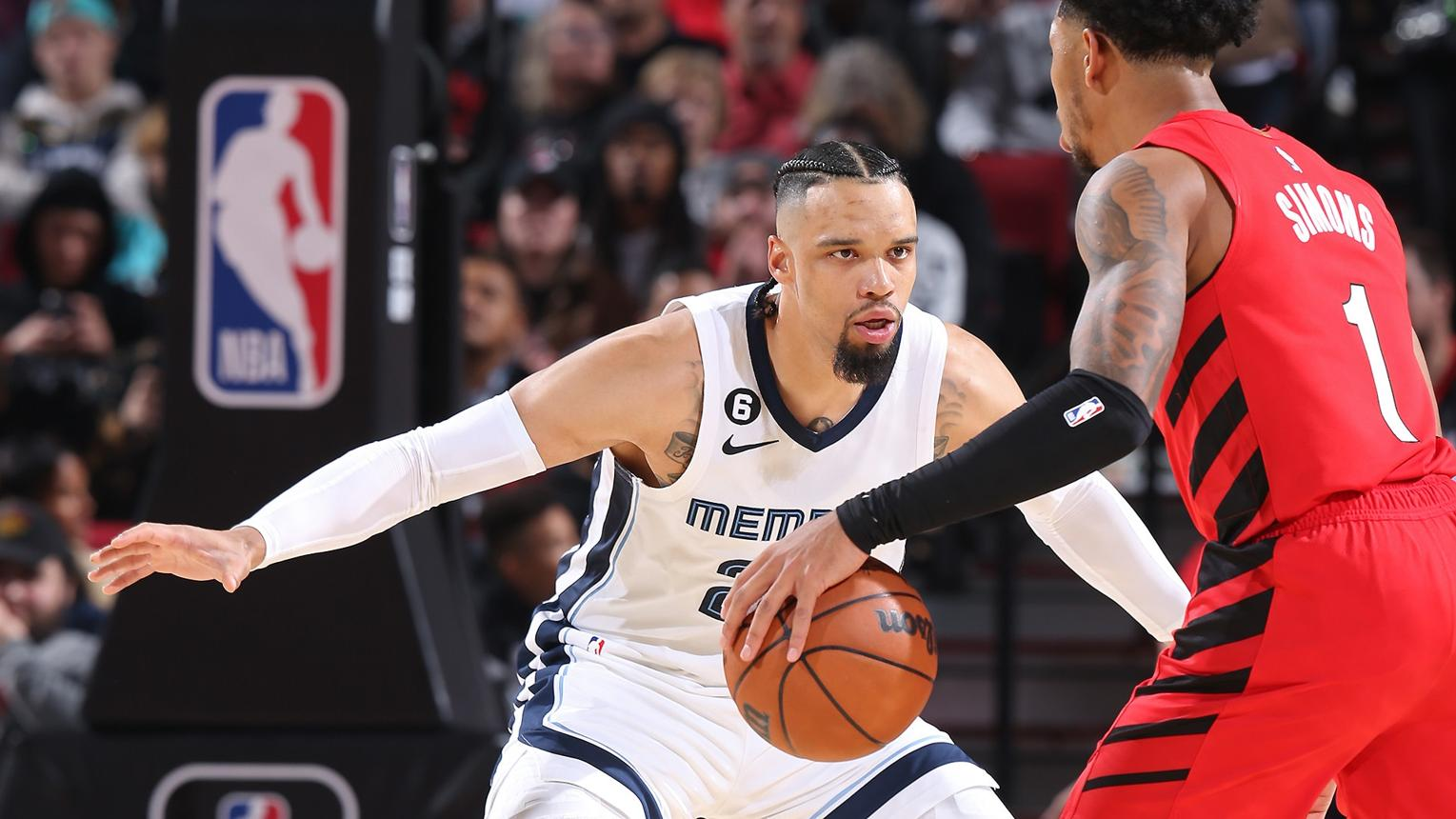
Brooks has long been recognized for his defensive presence. Physical, disruptive, and often confrontational, he built his reputation by guarding top scorers and embracing the psychological battle as much as the physical one.
However, the 2025–26 season marked a notable shift.


He averaged 20.2 points per game, the highest of his career, surpassing his previous best of 18.4. While his efficiency remained moderate—43.5% shooting overall and 34.4% from three-point range—his expanded offensive role signaled a broader responsibility within the Suns’ system.
He also contributed 3.6 rebounds and 1.0 steals per game, maintaining his defensive identity while increasing his scoring output.
Yet, the numbers tell a more layered story.
The Play-In Tournament: Pressure, Performance, and Reality
A Game That Defined the Season
The Suns’ play-in matchup on April 14 carried enormous weight. It was a win-or-go-home scenario, and Brooks was central to the narrative.


In the end, Phoenix fell 114–110 to Portland, bringing their season to a close. Brooks delivered a solid individual performance with:
- 20 points
- 7 rebounds
- 4 steals
The stat line reflected his two-way impact, but it also highlighted the harsh reality of postseason basketball: individual effort does not always translate into team success.
The Context Behind the Numbers
Injury Impact and Role Adjustment
Brooks’ late-season form was influenced by a significant factor—injury.
After missing over a month due to a hand issue, he returned on March 31 but showed signs of reduced efficiency. Post-injury, his averages dipped to 14.5 points per game on 38.6% shooting.
This decline was not solely physical.
The return of Jalen Green introduced a new offensive dynamic. With Green providing a more explosive scoring option, Brooks’ usage shifted:
- Without Green: 21.4 PPG, 17.7 FGA
- With Green: 15.9 PPG, 15.1 FGA
The adjustment illustrates a common NBA reality—roles are fluid, and even a career-best scorer can become a secondary option depending on team composition.
Respect, Rivalry, and Reputation
A Polarizing Presence
Brooks’ reputation has often overshadowed his production. Known for technical fouls and confrontational behavior, he is frequently cast as an antagonist.
Yet, within the league, respect exists—even if it is measured.
Kevin Durant offered a telling perspective:
“He doesn’t get that type of credit with me.”
The statement reflects a broader tension. Brooks is effective, but not universally celebrated. He is essential, but rarely embraced.
That duality defines his place in the NBA ecosystem.
The Suns’ Experiment: Structure and Identity
Coaching, Leadership, and System Fit
Under coach Jordan Ott, the Suns navigated a season that few expected to extend into the postseason.
After major roster changes, including the departure of Kevin Durant, the team relied heavily on:
- The scoring leadership of Devin Booker
- The defensive intensity and edge provided by Brooks
Brooks’ role was not purely statistical. He embodied the team’s competitive identity—physical, resilient, and unafraid of confrontation.
Even in defeat, that identity remained intact.
Style of Play: Why Dillon Brooks Matters
Defensive Disruption as a Skill Set
Brooks’ value cannot be measured solely through scoring averages. His core contribution lies in disruption:
- Pressuring elite scorers
- Forcing turnovers
- Breaking offensive rhythm
- Engaging in psychological warfare
These are intangible elements that rarely dominate headlines but often decide games.
His 4 steals in the play-in game are a direct reflection of this impact.
The Cultural Impact: Villain, Competitor, or Both?
The NBA Needs Players Like Brooks
In a league increasingly driven by offensive efficiency and player branding, Brooks represents a different archetype.
He is not designed to be universally liked. Instead, he thrives in friction:
- Opponents dislike playing against him
- Fans are divided in their opinions
- Teammates benefit from his intensity
This dynamic creates narrative tension—something the NBA, as an entertainment product, relies on.
Brooks is not just a player. He is a storyline.
What Comes Next?
Future Outlook and Career Trajectory
The 2026 play-in loss closes one chapter, but it raises important questions:
- Can Brooks maintain his elevated scoring role?
- Will his efficiency improve post-injury?
- How will his role evolve alongside emerging scorers like Jalen Green?
- Can he translate individual intensity into deeper playoff success?
At 30 years old, Brooks is in a phase where experience and adaptability become critical. His defensive foundation remains elite, but his long-term value will depend on how effectively he integrates into evolving team systems.
Conclusion: The Unfinished Narrative
Dillon Brooks’ career resists simple classification.
He is not just a defender. Not just a scorer. Not just a provocateur.
He is a player who operates at the intersection of performance and personality—where production meets perception.
His declaration, “job’s not done yet,” resonates beyond a single game. It reflects a career still in motion, still contested, and still defining its ultimate legacy.
In a league built on stars and narratives, Brooks continues to occupy a space that is both uncomfortable and essential.