

Prince William at a Crossroads: Power, Family, and the Future of the Monarchy
A Modern Heir Navigating Old Institutions
Few public figures embody the tension between tradition and transformation as clearly as William, Prince of Wales. As the direct heir to King Charles III, William occupies a position that is both ceremonial and strategic—shaping not only the image of the British monarchy but also its operational direction in a rapidly changing world.
Recent developments suggest that William is no longer simply preparing for kingship; he is already exercising influence in ways that reveal how the monarchy may evolve under his leadership. From internal family dynamics to structural changes in royal traditions, his decisions are increasingly consequential.
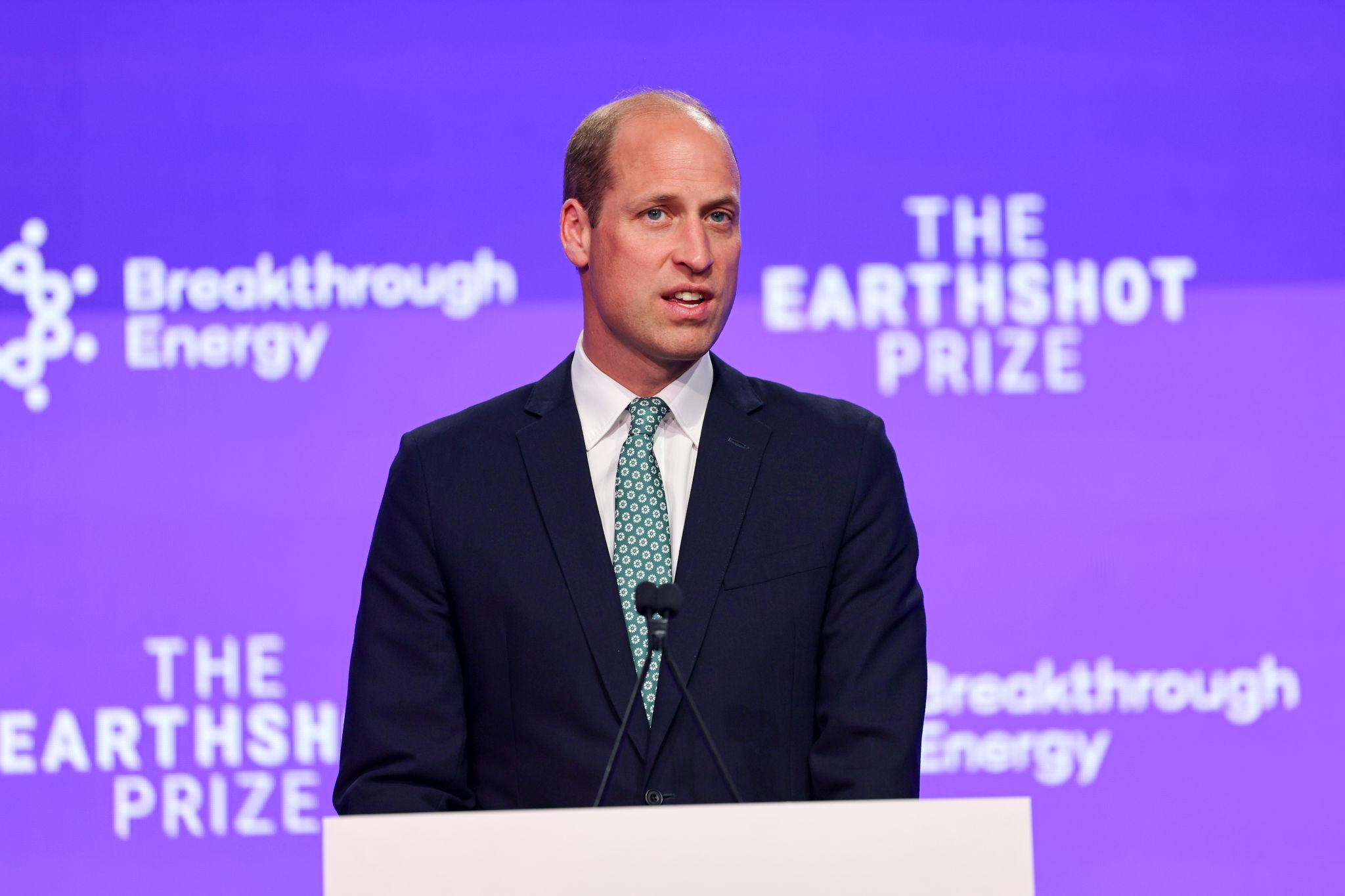
Quiet Reforms: Redefining Royal Tradition
When William became Prince of Wales in September 2022, he made an immediate and symbolic break with precedent. Unlike his father’s highly publicized 1969 investiture, William declined a formal ceremony altogether.
This was not a minor deviation. The original investiture of Charles was watched by 19 million people in Britain and 500 million worldwide, underscoring its global significance. William’s refusal to replicate such pageantry signaled a clear shift: a move toward a more restrained, contemporary monarchy focused less on spectacle and more on relevance.
This approach aligns with a broader philosophy attributed to him—one that prioritizes modernization and adaptability. Observers note that his generational perspective, shaped by the digital age and shifting public expectations, informs a more pragmatic and less ceremonial vision of royal duty.
Family First: A Deliberate Shift in Priorities
Perhaps the most visible transformation under William’s influence is the recalibration of royal life around family.
Together with Catherine, Princess of Wales, William has implemented a structured approach to balancing public duty and private life. Their recent decision to step back from royal engagements during their children’s school holidays illustrates this strategy.
The couple’s three children—Prince George, Princess Charlotte, and Prince Louis—remain central to this philosophy. During school breaks, official duties are intentionally reduced to prioritize uninterrupted family time.
This approach represents a significant departure from previous generations, where public service often overshadowed personal life. Instead, William appears intent on creating what insiders describe as a “grounded upbringing,” emphasizing stability, routine, and ordinary experiences.
A revealing perspective comes from Catherine herself:
“Someone did ask me the other day, what would you want your children to remember about their childhood?… Is it that I’m sitting down trying to do their maths and spelling homework over the weekend? Or is it the fact that we’ve gone out and lit a bonfire…?”
The implication is clear: the next generation of royals will be raised with a conscious effort to balance privilege with normalcy.
Internal Pressures: Tensions Within the Royal Family
Despite his measured public persona, William’s internal relationships within the royal family are reportedly complex.
His relationship with Queen Camilla has long been described as strained. Recent reports suggest that differing views on King Charles III’s health and responsibilities have deepened this divide. While Charles continues to balance treatment for cancer with royal duties, disagreements have reportedly emerged over how those responsibilities should be managed.
There are also indications that William’s decision-making has already had tangible effects within royal operations. For instance, his role in ending certain professional arrangements linked to Camilla’s family signaled a willingness to exercise authority independently.
Some insiders characterize this as evidence of a more assertive leadership style—one that could reshape the internal structure of the monarchy.
The Harry Factor: A Fractured Brotherhood
If tensions with Camilla are significant, William’s relationship with Prince Harry appears even more strained.
The longstanding rift between the brothers continues to influence royal dynamics. Reports suggest that disagreements surrounding family stress—particularly during periods of illness affecting both Charles and Catherine—have intensified the divide.
At the highest levels, there are suggestions of strategic compromises involving Harry’s role in the royal framework. These developments point to a broader restructuring of familial roles within the monarchy, with William exerting increasing control over future arrangements.
Leadership in Transition: Preparing for the Crown
Beyond family matters, William’s evolving leadership style is becoming more visible in institutional decisions.
His emphasis on efficiency, reduced ceremony, and strategic delegation suggests a model of monarchy that prioritizes functionality over tradition. Even in scenarios involving future succession, there is speculation that he may rely on experienced figures like Camilla for operational support—particularly during periods when he prioritizes family commitments.
This pragmatic approach reflects a shift from symbolic authority to managerial governance, aligning the monarchy more closely with modern organizational structures.
Historical Context: Learning from the Past
William’s current trajectory cannot be fully understood without acknowledging the historical environment that shaped him.
He came of age during a period marked by intense scrutiny, including the death of his mother, Princess Diana, and the subsequent evolution of media relations with the royal family. These experiences appear to have informed his cautious, controlled public strategy and his focus on protecting his immediate family from similar pressures.
Even earlier controversies—such as disputes surrounding media access during his 18th birthday—highlight the long-standing challenges of managing royal image and privacy.
Cultural Impact: A Monarchy in Transition
William’s approach reflects broader societal changes. The monarchy, once defined by rigid hierarchy and ceremony, is gradually adapting to contemporary expectations of transparency, relatability, and accountability.
His emphasis on:
- family stability
- reduced public spectacle
- strategic modernization
signals a recalibration of royal identity. For younger audiences, this may enhance relevance; for traditionalists, it raises questions about continuity and heritage.
What Comes Next?
Looking ahead, several key trends are likely to define William’s future role:
- Further modernization of royal traditions, potentially reducing ceremonial elements
- Continued prioritization of family life, influencing scheduling and public engagement
- Restructuring of internal roles, particularly regarding extended family members
- A more centralized leadership model, with clearer lines of authority
If his current trajectory continues, William’s reign—when it arrives—may represent one of the most significant transformations of the British monarchy in modern history.
Conclusion: A Prince Shaping a New Era
William, Prince of Wales, stands at a pivotal moment. His decisions today are not merely preparatory; they are actively redefining the monarchy’s structure, priorities, and public identity.
Balancing personal conviction with institutional responsibility, he is crafting a model that blends tradition with modern governance. Whether this approach will strengthen the monarchy’s long-term relevance remains to be seen—but its impact is already unmistakable.


