
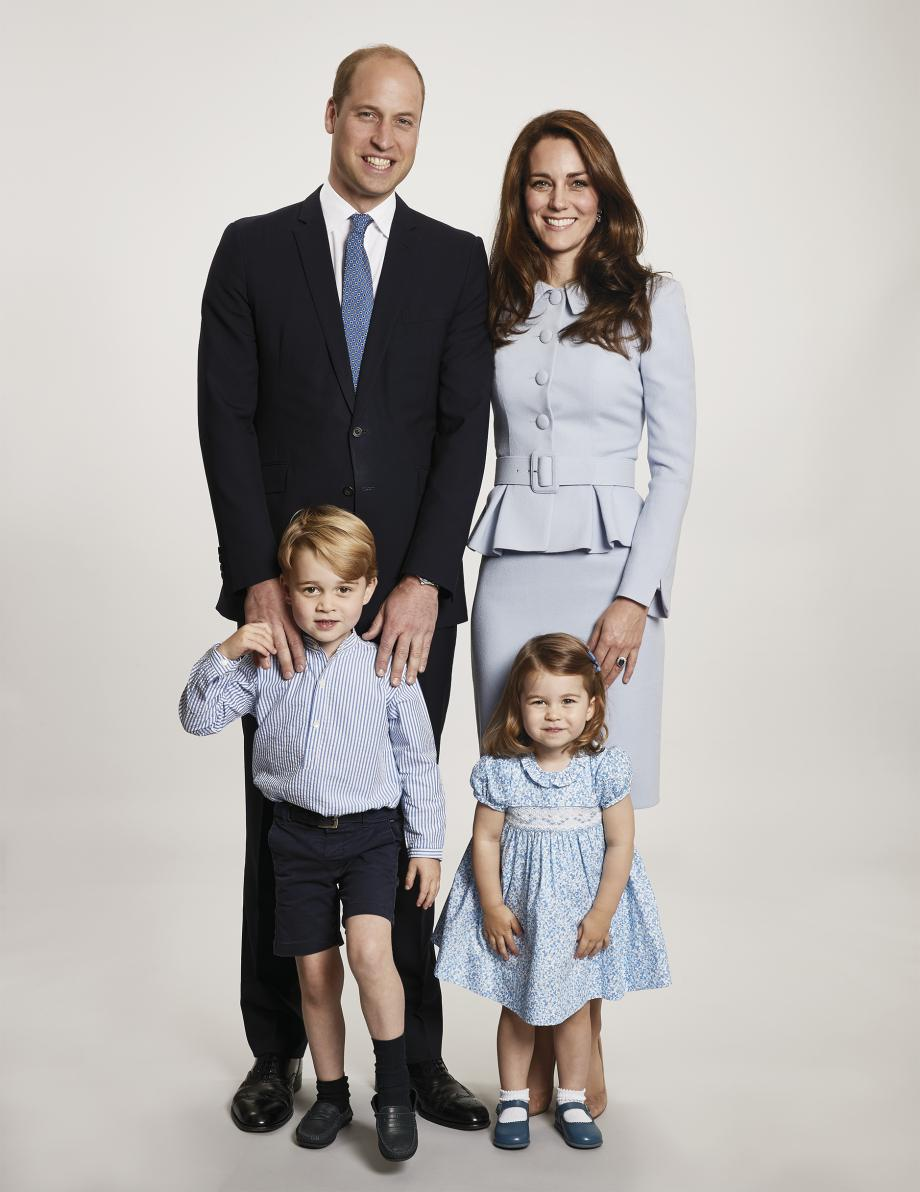
William, Prince of Wales: A Modern Heir Shaping the Future of the British Monarchy
A Contemporary Royal Defined by Duty, Legacy, and Transition
William, Prince of Wales stands at the intersection of tradition and transformation within the modern British monarchy. As the elder son of Charles III and the late Diana, Princess of Wales, he occupies a central role as heir apparent to the British throne. Over the past two decades, his public life has evolved from that of a closely watched royal child into a senior statesman-like figure carrying significant institutional responsibility.
His journey reflects a careful balancing act: preserving the ceremonial continuity of the monarchy while adapting its relevance in a rapidly changing social and political landscape. Alongside his wife, Catherine, Princess of Wales, William has cultivated an image rooted in stability, family values, and long-term public service, positioning himself as a future king aligned with contemporary expectations.
Quick Facts: William, Prince of Wales Biography Snapshot
| Field | Details |
|---|---|
| Full Name | William Arthur Philip Louis |
| Date of Birth / Age | June 21, 1982 (Age 43 in 2026) |
| Place of Birth | London, England |
| Nationality | British |
| Profession | Senior Royal, Military Veteran, Philanthropist |
| Current Status | Prince of Wales; Heir to the British Throne |
| Height | Approximately 1.91 m (6 ft 3 in) |
| Net Worth | Estimated $100 million–$120 million |
| Income Sources | Duchy of Cornwall estate, royal funding, investments |
| Relationship Status | Married |
| Spouse | Catherine, Princess of Wales |
| Children | Prince George of Wales, Princess Charlotte, Prince Louis |
| Sibling | Prince Harry |
| Education | University of St Andrews |
| Major Achievements | Earthshot Prize founder, mental health advocacy, future King of the UK |
Royal Roots and Early Influences That Shaped a Future King
Born into one of the most scrutinized families in the world, William’s early life was shaped by both privilege and public attention. Raised at Kensington Palace, he experienced a unique upbringing under the guidance of parents determined to offer a sense of normalcy despite royal expectations.
His mother, Diana, played a particularly influential role in shaping his worldview. Her humanitarian approach—engaging directly with marginalized communities—left a lasting imprint on William’s public service ethos. Following her death in 1997, William’s path became increasingly defined by resilience and a sense of inherited duty.
Academically, William attended Eton College before enrolling at the University of St Andrews, where he studied Geography. His time at university marked a pivotal transition toward independence, and it was there he met Catherine Middleton, a relationship that would later become central to the monarchy’s modern identity.
A Career Built on Service, Discipline, and Public Trust
Unlike previous heirs, William pursued a structured professional path beyond ceremonial duties. His military career began at the Royal Military Academy Sandhurst, followed by active service in the British Armed Forces. He served as a search and rescue pilot with the Royal Air Force, participating in life-saving missions that reinforced his credibility as a working royal.
After leaving active military service, William transitioned into a civilian role as an air ambulance pilot, further demonstrating his commitment to public service. This phase of his life distinguished him from earlier generations by emphasizing operational contribution rather than purely symbolic presence.
His royal responsibilities expanded significantly following his marriage and later after the accession of King Charles III. As Prince of Wales, he now oversees the Duchy of Cornwall, a vast estate that provides substantial income and supports charitable initiatives.
Defining Achievements and Public Initiatives
William’s public contributions are anchored in targeted, high-impact initiatives. Among the most notable is the Earthshot Prize, a global environmental award designed to incentivize innovative solutions to climate challenges. The project has positioned him as a forward-thinking advocate for sustainability.
Equally significant is his work in mental health awareness. Alongside Catherine and Prince Harry, he launched campaigns aimed at reducing stigma and increasing access to support. These initiatives marked a cultural shift in how mental health is discussed within the UK and beyond.
His leadership approach tends to emphasize collaboration, evidence-based solutions, and measurable outcomes—traits that align with contemporary governance models rather than traditional royal patronage alone.
Financial Standing: Net Worth, Assets, and Lifestyle
William’s net worth is closely tied to institutional assets rather than personal commercial ventures. The Duchy of Cornwall, which he inherited upon becoming Prince of Wales, generates annual income estimated in the tens of millions of pounds. This estate includes agricultural land, residential properties, and commercial developments across the UK.
Unlike private-sector wealth accumulation, his financial framework is structured to support both personal expenses and official duties. His lifestyle reflects a balance between royal tradition and relative restraint, with an emphasis on family life at residences such as Adelaide Cottage in Windsor.
His financial position ensures long-term stability while reinforcing his role as a steward of institutional resources rather than an independent entrepreneur.
Personal Life, Marriage, and Family Dynamics
William’s relationship with Catherine has become a cornerstone of his public identity. Their marriage in 2011 was widely viewed as a stabilizing moment for the monarchy, introducing a partnership grounded in mutual support and shared public purpose.
Together, they have three children: Prince George, Princess Charlotte, and Prince Louis. As the eldest, George holds a direct place in the line of succession, symbolizing continuity across generations.
Family dynamics have also been shaped by his relationship with his brother, Prince Harry. While the two once collaborated closely on charitable initiatives, their relationship has undergone well-documented strains in recent years, reflecting broader institutional and personal tensions.
William’s extended royal network includes cousins such as Princess Beatrice, Princess Eugenie, and Peter Phillips, all of whom contribute to the wider royal ecosystem in varying capacities.
Current Role and Ongoing Public Relevance
In his current position, William represents a transitional figure within the monarchy—bridging the legacy of Queen Elizabeth II with the evolving expectations of a younger generation. His public appearances increasingly focus on long-term issues such as climate change, housing, and social mobility.
Recent engagements have emphasized practical outcomes, including partnerships with private and public sector organizations. This approach signals a strategic shift toward measurable impact rather than ceremonial visibility alone.
His role has expanded significantly following his father’s ascension, placing him at the forefront of royal diplomacy and domestic engagement.
Lesser-Known Insights and Distinctive Traits
Despite his global profile, several aspects of William’s life remain less widely discussed. He is known for his interest in aviation and continues to maintain a strong connection to the field even after leaving active service.
He has also demonstrated a preference for relatively understated personal habits compared to historical royal norms, favoring a more approachable public persona. His communication style tends to be direct and measured, reflecting both media awareness and institutional discipline.
Another notable aspect is his long-standing commitment to continuity in relationships, from his enduring partnership with Catherine to his sustained involvement in specific charitable causes over many years.
Influence, Cultural Impact, and Future Legacy
William’s influence extends beyond traditional royal functions. He represents a generational shift toward accountability, transparency, and strategic engagement. His initiatives have contributed to reshaping public expectations of what a modern monarchy can achieve.
Culturally, he embodies a hybrid identity: both a symbol of continuity and a proponent of reform. This dual role positions him as a key figure in determining the monarchy’s long-term relevance in the 21st century.
His legacy will likely be defined not only by his eventual reign but also by the structural and cultural adjustments he helps implement before ascending the throne.
Conclusion: A Measured Path Toward Kingship
William, Prince of Wales, occupies a uniquely complex position within global public life. His trajectory reflects a deliberate effort to reconcile historical responsibility with contemporary expectations. Through disciplined service, targeted initiatives, and a carefully managed public image, he has established himself as a credible and forward-looking heir.
As the monarchy continues to evolve, his leadership style—pragmatic, focused, and adaptive—suggests a future defined less by tradition alone and more by measurable relevance and societal contribution.


