Paxton Lynch’s Comeback Halted: Inside the Injury That May End a Career
A Sudden Setback in an Unlikely Comeback
For Paxton Lynch, the path back to professional relevance was never going to be straightforward. But just as momentum began to build during his arena football return, that journey came to an abrupt halt.
The former Denver Broncos first-round pick has suffered a season-ending lateral collateral ligament (LCL) injury while playing for the Colorado Spartans in the National Arena League. The injury occurred in only his third game of the 2026 season—before he could even make his scheduled home debut in Denver on April 11.
The timing underscores the fragility of comeback narratives in professional sports, particularly for players attempting to rebuild careers outside the NFL spotlight.
“I was pissed off,” Lynch said. “And it sucks. I didn’t want it to be like this.”


A Career That Never Found Stability
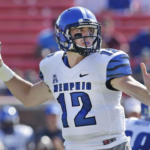
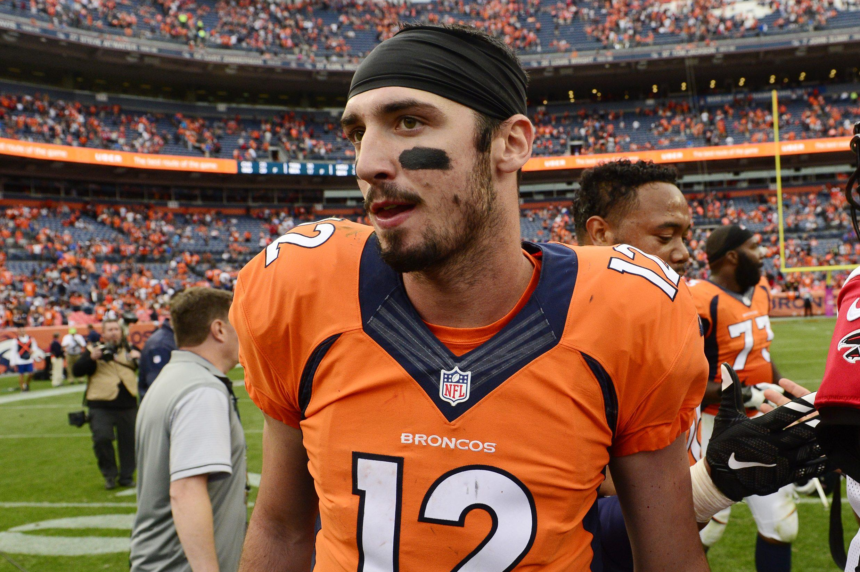
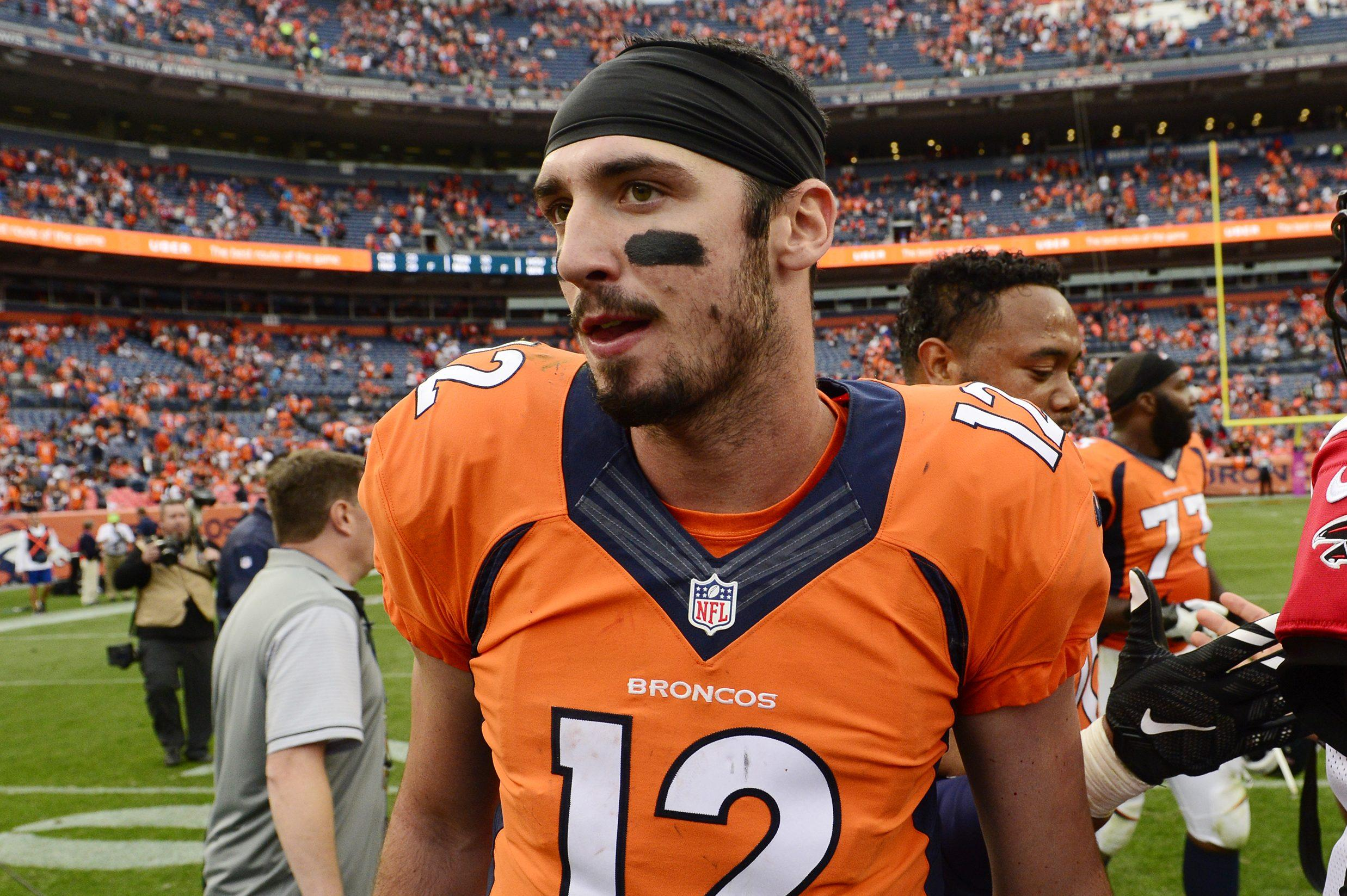
Lynch’s story has long been defined by unrealized expectations. Selected in the first round of the 2016 NFL Draft out of the University of Memphis, he entered the league with considerable hype.


At the time, he was widely viewed as one of the top quarterback prospects in his class—ranked behind only Jared Goff and Carson Wentz.
However, his transition to the NFL proved difficult. As a rookie, he lost the starting job to Trevor Siemian, a seventh-round pick who went on to start for two seasons. The Broncos later brought in Case Keenum in 2018, effectively ending Lynch’s tenure in Denver.
Across his brief NFL career, Lynch appeared in five games, compiling modest numbers:
- 1–3 record as a starter
- 61.7% completion rate
- 792 passing yards
- 4 touchdowns and 4 interceptions


These figures reflect a career that never gained traction, despite the initial investment made by the franchise.
Years of Movement Across Leagues
After his release from Denver, Lynch entered a prolonged period of instability—moving between multiple teams and leagues in search of a second chance.
His professional journey included:
- Stints with two additional NFL teams
- Time in the Canadian Football League (CFL)
- Appearances in three UFL/XFL teams
- A return attempt via the National Arena League
This pattern is not uncommon for former high draft picks who fail to establish themselves early. However, it highlights the persistence required to remain in professional football after falling out of the NFL system.
Notably, Lynch did not play in 2024 or 2025, making his 2026 return with the Colorado Spartans a significant personal milestone.
A Brief Resurgence Before Injury
Despite the lower profile of arena football, Lynch approached the opportunity with renewed clarity and confidence.
“I was like, ‘OK, if I play this year in arena football, I’m going to play as Paxton Lynch. I’m going to have full confidence in myself. I don’t really care.’”
In three games, he showed flashes of productivity, throwing three touchdown passes and helping stabilize the Spartans’ offense.
The team stood at 2–3 through five games, with Javin Kilgo stepping in following Lynch’s injury.
Financially, the scale of the comeback was modest. Lynch was earning $600 per game—far removed from NFL-level compensation—but the opportunity appeared to carry more personal than economic significance.
The Injury That Changes Everything
The LCL injury represents a critical inflection point.
Unlike minor injuries, ligament damage in the knee can have long-term implications for mobility, stability, and overall athletic performance—particularly for quarterbacks who rely on lower-body mechanics for throwing power and movement.
At 32 years old, Lynch now faces a decision that extends beyond recovery timelines. While he had previously expressed a desire to play until age 45, the severity of this setback introduces uncertainty about whether he will return at all.
He acknowledged as much in his post-injury remarks, stating he is unsure if he will attempt another comeback in 2027.
Psychological Dimensions of a Career in Flux
Beyond the physical toll, Lynch’s comments reflect a deeper internal struggle that has defined much of his professional journey.
During his earlier NFL years, he described the difficulty of reconciling self-belief with external criticism:
“But when it became Paxton Lynch the football player, and all these people had these different opinions about me — that’s when it was hard for me.”
This tension—between perceived potential and actual performance—often shapes the trajectories of high-profile draft picks who fail to meet expectations.
His brief return in 2026 suggested a shift toward intrinsic motivation, focusing less on external validation and more on personal fulfillment.
What This Means for His Legacy
Lynch’s career raises broader questions about how success and failure are defined in professional sports.
From a purely statistical standpoint, his NFL tenure falls short of expectations for a first-round quarterback. However, his continued efforts to remain active in football—even across lesser-known leagues—demonstrate resilience.
If this injury proves to be career-ending, his legacy may be viewed through two distinct lenses:
- As a cautionary tale of draft risk and development challenges
- As a story of persistence, marked by repeated attempts to return
The Uncertain Road Ahead
For now, Lynch’s future remains unresolved.
He has not committed to retirement, nor has he confirmed plans for another comeback. The decision will likely depend on recovery progress, physical condition, and personal priorities.
What is clear is that this latest setback significantly complicates any potential return to competitive football.
In a career defined by near-misses and renewed attempts, this injury may ultimately represent the final turning point.