Weddings in Focus: Tradition, Culture, and a Changing World
A Ceremony That Defines Human Connection
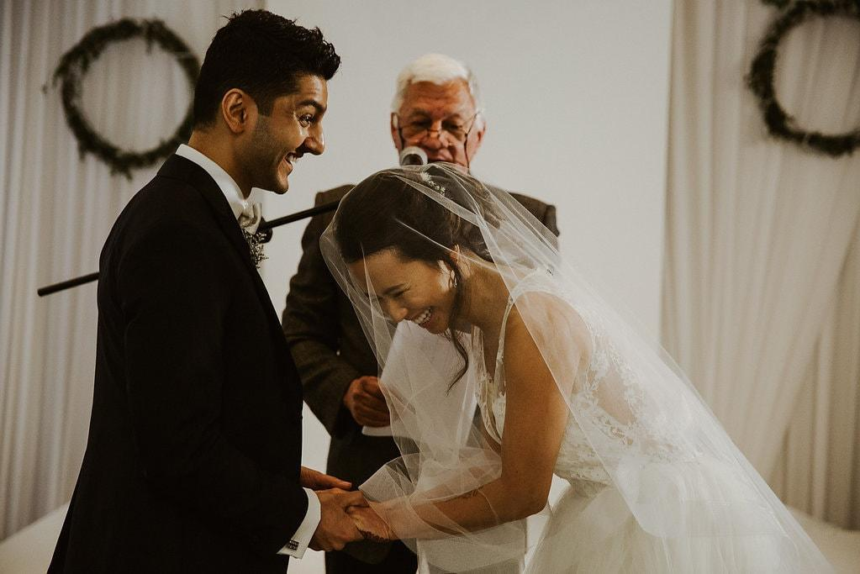
A wedding is one of the most enduring and universally recognized ceremonies in human society. At its core, it marks the union of two individuals in marriage, but its meaning extends far beyond a simple legal or social contract. Across continents and cultures, weddings serve as a public declaration of commitment, a celebration of family bonds, and a reflection of deeply rooted traditions.
- A Ceremony That Defines Human Connection
- The Universal Framework: What Makes a Wedding
- Cultural Expressions: Weddings Around the World
- Where Weddings Happen: From Churches to Beaches
- The Evolution of Wedding Styles
- The Wedding Party: Roles and Responsibilities
- The Business of Weddings
- Weddings in Crisis: A Stark Reminder
- The Future of Weddings
- Conclusion
From elaborate multi-day celebrations to quiet, intimate ceremonies, weddings vary widely in form. Yet, most share a consistent structure: the exchange of vows, symbolic gestures such as rings or gifts, and a formal acknowledgment of the marriage by an officiant. These elements create a shared language of commitment that transcends cultural boundaries.
The Universal Framework: What Makes a Wedding
Despite their diversity, weddings across the world tend to include several common components:

- Exchange of vows: A mutual promise of lifelong partnership.
- Symbolic gestures: Rings, flowers, or other items representing unity.
- Public recognition: A celebrant or authority declares the couple married.
- Celebration: Often followed by a reception featuring food, music, and rituals.
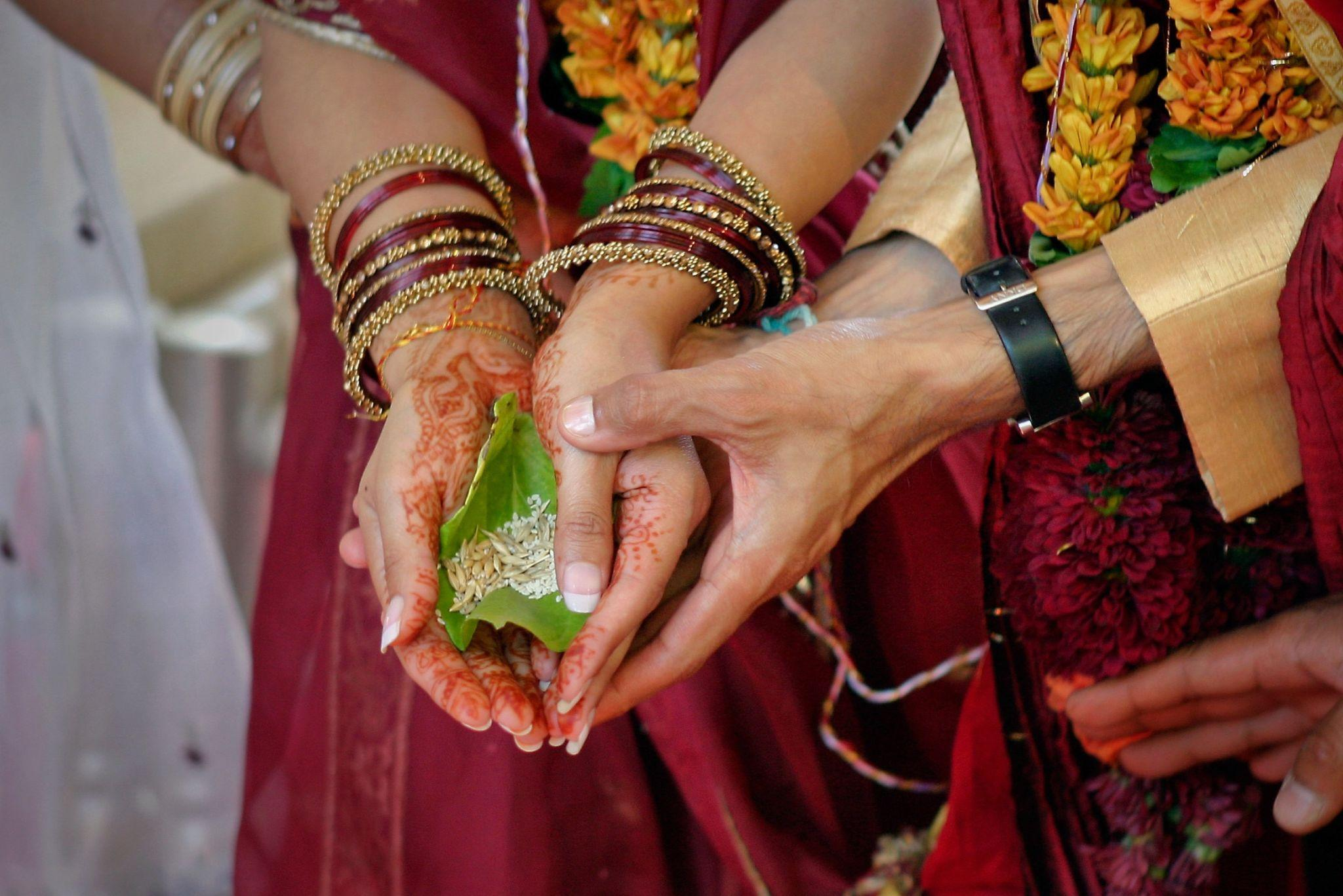
Music, readings, and prayers frequently enrich the ceremony, while cultural customs add distinctive meaning. For instance, throwing rice or seeds symbolizes fertility and prosperity, while ceremonial exits—often called “send-offs”—mark the couple’s transition into married life.
Cultural Expressions: Weddings Around the World
Western Traditions and the White Wedding
The modern Western wedding is heavily influenced by the “white wedding” tradition, popularized in the 19th century. The white bridal gown, often paired with a veil, became associated with purity and formality. Over time, this aesthetic evolved into a global standard, though its symbolism has shifted to represent elegance and celebration rather than strict tradition.


Wedding rings also play a central role. Historically linked to the belief in the “vena amoris,” a vein thought to connect the ring finger to the heart, rings symbolize enduring love and unity.
Religious Ceremonies and Sacred Meaning
Weddings often carry profound spiritual significance, particularly within religious traditions:
- Christian weddings emphasize vows, blessings, and the sacred nature of marriage, often conducted in a church setting.
- Hindu ceremonies involve rituals such as circling a sacred fire (saptapadi), with each step representing a vow.
- Jewish weddings feature the signing of a marriage contract (ketubah), the chuppah canopy, and the symbolic breaking of a glass.
- Islamic weddings (Nikah) are treated as legal contracts, requiring witnesses and followed by communal celebration.
- Buddhist weddings focus on harmony and mutual respect, often incorporating blessings rather than formal religious officiation.
Each of these traditions reflects a broader worldview about marriage, community, and responsibility.
Cultural Rituals and Symbolism
Beyond religion, cultural practices shape weddings in unique ways:


- In Chinese ceremonies, tea rituals honor family bonds and express gratitude.
- Ethiopian traditions may include bowing to elders as a sign of respect.
- In some European customs, guests throw rice or seeds to wish prosperity.
- Welsh celebrations historically featured extended feasts to support newlyweds.
These rituals highlight how weddings function as both personal milestones and collective cultural expressions.
Where Weddings Happen: From Churches to Beaches
Historically, weddings were restricted to religious buildings or official venues. Over time, legal frameworks expanded these possibilities. Today, ceremonies can take place in a wide range of locations, including:
- Churches and mosques
- Town halls and courthouses
- Beaches and resorts
- Parks, museums, and private estates
This flexibility has contributed to the rise of destination weddings—events hosted in scenic or travel-oriented locations where guests often stay for multiple days.
The Evolution of Wedding Styles
Modern weddings are increasingly defined by personalization and flexibility. Several contemporary formats illustrate this shift:
- Microweddings: Small gatherings with close family and friends, often fewer than 15 guests.
- Destination weddings: Celebrations held in travel locations, combining ceremony and vacation.
- Civil weddings: Legally recognized ceremonies conducted by government officials.
- Elopements: Private or spontaneous marriages with minimal attendance.
- Vow renewals: Ceremonies reaffirming commitment, often on anniversaries.
The COVID-19 pandemic accelerated interest in smaller weddings, particularly microweddings, which remain popular due to their lower cost and reduced complexity.
The Wedding Party: Roles and Responsibilities
A wedding typically involves a group of participants who support the couple and contribute to the ceremony:
- Bride and groom: The individuals entering marriage.
- Officiant: The person who legally or religiously conducts the ceremony.
- Best man and maid of honor: Primary attendants supporting the couple.
- Bridesmaids and groomsmen: Friends or family assisting in various roles.
- Flower girls and ring bearers: Younger participants symbolizing innocence and continuity.
These roles not only structure the ceremony but also reflect social relationships and community involvement.
The Business of Weddings
Weddings are not just cultural events—they are also a major global industry. As of recent estimates:
- The global wedding industry was valued at $300 billion.
- In the United States alone, it reached approximately $60 billion.
- Around 2 million weddings occur annually in the U.S., with 70 million attendees.
Spending patterns reveal both the scale and complexity of modern weddings. While the average cost can be high, studies suggest that couples who spend less and avoid debt may experience stronger long-term relationship stability.
The industry has also evolved with technology. Social media, bridal websites, and digital planning tools have reshaped how couples organize weddings, often increasing both expectations and costs.
Weddings in Crisis: A Stark Reminder
While weddings are typically associated with joy, they can also become sites of tragedy. In April 2026, a wedding procession in Kutum, North Darfur, was struck by a drone attack, resulting in the deaths of 58 civilians, including 17 children. The incident disrupted the community, halting daily life and underscoring how even the most sacred celebrations are not immune to broader conflicts.
This stark contrast highlights the dual nature of weddings—as both deeply personal milestones and events shaped by the wider world.
The Future of Weddings
Looking ahead, several trends are likely to shape weddings globally:
- Increased personalization: Couples prioritizing unique, meaningful ceremonies.
- Hybrid traditions: Blending cultural, religious, and modern elements.
- Technology integration: Virtual attendance, digital planning, and social media influence.
- Cost-conscious planning: Smaller events and alternative formats to reduce expenses.
- Sustainability: Eco-friendly venues, attire, and catering choices.
As societal values evolve, weddings will continue to adapt—reflecting not only love and commitment but also changing norms around identity, culture, and community.
Conclusion
A wedding is far more than a ceremony—it is a cultural, emotional, and social event that captures the essence of human connection. Whether rooted in ancient rituals or shaped by modern innovation, weddings remain one of the most powerful expressions of partnership and celebration.
Across time and geography, their meaning endures: a public commitment, a shared journey, and a moment that brings people together in recognition of love.