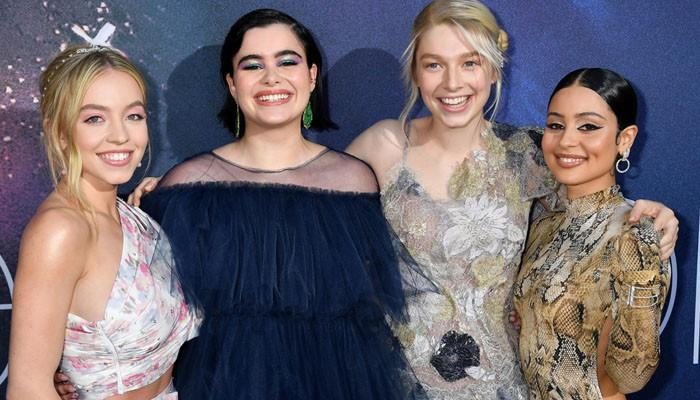
Sydney Sweeney in Euphoria: Controversy, Character, and Cultural Impact
A Return That Sparked Immediate Debate
When HBO’s Euphoria returned for its long-awaited third season on April 12, 2026, expectations were high. The series—known for its intense storytelling, visual style, and unfiltered portrayal of youth culture—had built a reputation for pushing boundaries. But within hours of its premiere, one storyline involving Sydney Sweeney and her character Cassie Howard ignited a widespread cultural debate.
- A Return That Sparked Immediate Debate
- The Scene That Triggered Backlash
- Creative Intent vs Audience Reaction
- Cassie Howard: A Character Pushed to Extremes
- A Divided Critical Reception
- The Broader Cultural Conversation
- Industry Implications for Sydney Sweeney
- What Comes Next for Euphoria?
- Conclusion: A Defining Moment for Show and Star
After a four-year hiatus, fans anticipated a continuation of the show’s emotional arcs. Instead, much of the conversation quickly shifted toward a controversial creative direction that has divided audiences, critics, and industry observers alike.
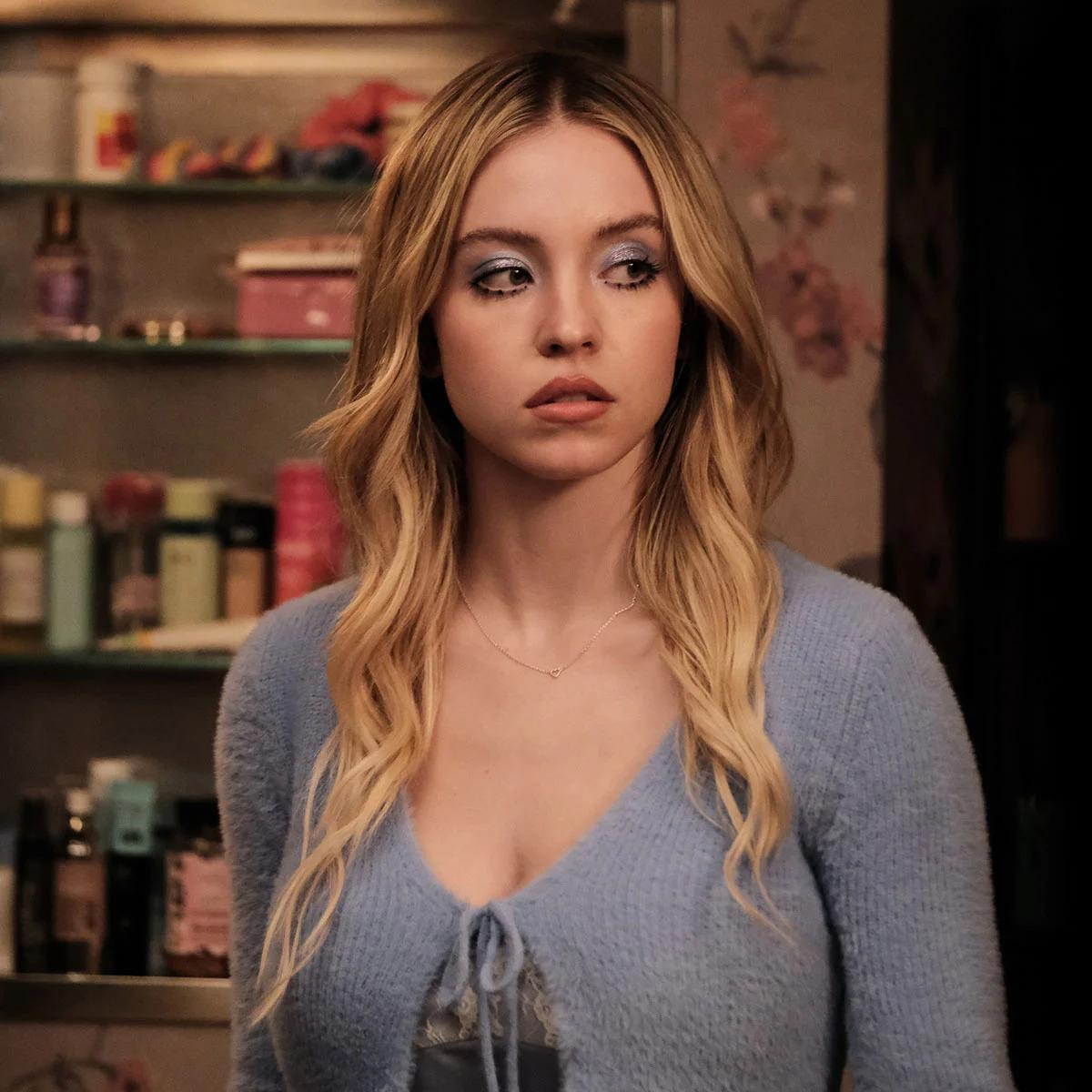

The Scene That Triggered Backlash
At the center of the controversy is a sequence in which Cassie, portrayed by Sweeney, creates explicit online content as part of a new storyline. In one widely circulated scene, the character appears in infantilized styling—complete with pigtails and a pacifier—while filming content for a subscription platform.
The scene is tied directly to the narrative: Cassie turns to online content creation as a way to finance an extravagant wedding with Nate, played by Jacob Elordi.


However, the visual presentation of the scene—particularly the blending of childlike imagery with adult themes—has drawn sharp criticism. Viewers across social media described it as “uncomfortable,” “disturbing,” and “crossing a line,” with some questioning the intent behind such creative choices.
This reaction was not isolated. Viral clips amplified the discussion, turning a single scene into a broader cultural flashpoint about representation, ethics, and artistic boundaries.
Creative Intent vs Audience Reaction
Behind the controversy lies a deliberate creative strategy from Euphoria creator Sam Levinson. According to his explanation, the storyline was designed to “break the wall” between the show and its audience—blurring fantasy and reality while exposing the emotional emptiness behind curated online personas.
The production approach reinforces this idea visually. Scenes involving Cassie’s content creation are filmed using lighting setups that mimic real online content environments—bright, intimate, and artificial—before pulling back to reveal darker, more isolating surroundings.


From a technical standpoint, this juxtaposition aims to highlight contrast: what is presented versus what is real. From an audience standpoint, however, many viewers argue that the execution prioritizes shock value over narrative depth.
This tension—between artistic intention and public reception—has become the defining conversation around the show’s latest season.
Cassie Howard: A Character Pushed to Extremes
Cassie has always been one of Euphoria’s most psychologically complex characters. Her arc has consistently explored themes of validation, identity, and emotional dependency. In season three, those themes are amplified.
Sweeney herself described the character’s direction bluntly:
“She will do anything and at all costs to be famous this season… She makes a lot of wild, interesting choices.”
This evolution aligns with the show’s broader narrative shift. The characters, once high school students, are now navigating adulthood, where financial pressure, relationships, and personal ambition intersect in more explicit ways.
Yet critics argue that Cassie’s storyline risks reducing her complexity to spectacle. Some reviews describe the portrayal as “voyeuristic” and overly focused on shock-driven imagery rather than meaningful character development.
A Divided Critical Reception
The backlash against Sweeney’s scenes is part of a larger mixed response to Euphoria’s third season.
Critics have described the show in sharply contrasting terms:
- Some call it “dazzling” and reflective of modern culture
- Others label it “tired,” “dated,” or overly reliant on sensationalism
- Several reviews argue the show has shifted toward extremes to maintain attention
This divide highlights a broader issue: Euphoria’s identity as a “generation-defining” series is now being questioned.
What once felt groundbreaking to audiences now risks appearing repetitive or excessive, particularly in a media environment increasingly sensitive to representation and ethical storytelling.
The Broader Cultural Conversation
The controversy surrounding Sydney Sweeney’s role extends beyond a single scene. It taps into several ongoing cultural debates:
1. The Limits of Artistic Expression
How far can storytelling go before it alienates its audience? Euphoria has always tested boundaries, but the reaction suggests that viewers are recalibrating where those boundaries lie.
2. Sexualization and Media Responsibility
The blending of childlike imagery with adult themes has triggered strong reactions, with critics arguing that such portrayals risk reinforcing harmful associations—even when intended as satire or critique.
3. The Pressure on Actors
Sweeney’s position highlights the challenges faced by modern actors balancing artistic roles with public perception. As her career expands beyond Euphoria, the scrutiny around her choices has intensified.
Industry Implications for Sydney Sweeney
For Sydney Sweeney, the controversy arrives at a critical moment in her career. She has evolved from a breakout television star into a major Hollywood figure with commercial endorsements and a growing portfolio of roles.
This situation underscores a recurring industry dynamic:
Actors associated with provocative roles often face heightened scrutiny compared to their peers.
Sweeney has previously addressed this imbalance, noting the double standards in how male and female performers are perceived when portraying sexuality on screen.
The current backlash may influence how studios, creators, and actors approach similar material in the future—particularly in high-visibility streaming projects.
What Comes Next for Euphoria?
With new episodes scheduled weekly and the season expected to conclude on May 31, 2026, the trajectory of Euphoria remains uncertain.
Key questions moving forward include:
- Will the narrative justify its controversial choices?
- Can the show regain its earlier critical acclaim?
- How will audience sentiment evolve as the full storyline unfolds?
The series has already proven its ability to dominate cultural conversation. The challenge now is whether it can translate that attention into sustained relevance.
Conclusion: A Defining Moment for Show and Star
Sydney Sweeney’s performance in Euphoria season three has become more than just a storyline—it is a focal point in a broader discussion about media, culture, and artistic responsibility.
The controversy reflects a shift in audience expectations. Viewers are no longer passive consumers of provocative content; they are active participants in evaluating its meaning and impact.
For Euphoria, this moment represents both a risk and an opportunity. For Sweeney, it marks another pivotal chapter in a career defined by bold choices.
Whether this backlash ultimately strengthens or undermines the show’s legacy will depend on what comes next—both on screen and in the wider cultural conversation.