
Dolly Martinez: Remembering a Reality TV Story That Ended Too Soon
The death of Dolly Martinez at age 30 has drawn renewed attention to the human cost behind one of reality television’s most emotionally difficult formats. Best known for appearing on Season 10 of TLC’s My 600-Lb. Life, Martinez was part of a series built around severe obesity, food addiction, and the long, uneven path toward medical and personal change. Her passing, confirmed by her sister Lindsey Cooper, has prompted grief from viewers, tributes online, and a wider conversation about empathy, health, and the limits of public understanding.
A Public Journey That Began With Private Pain
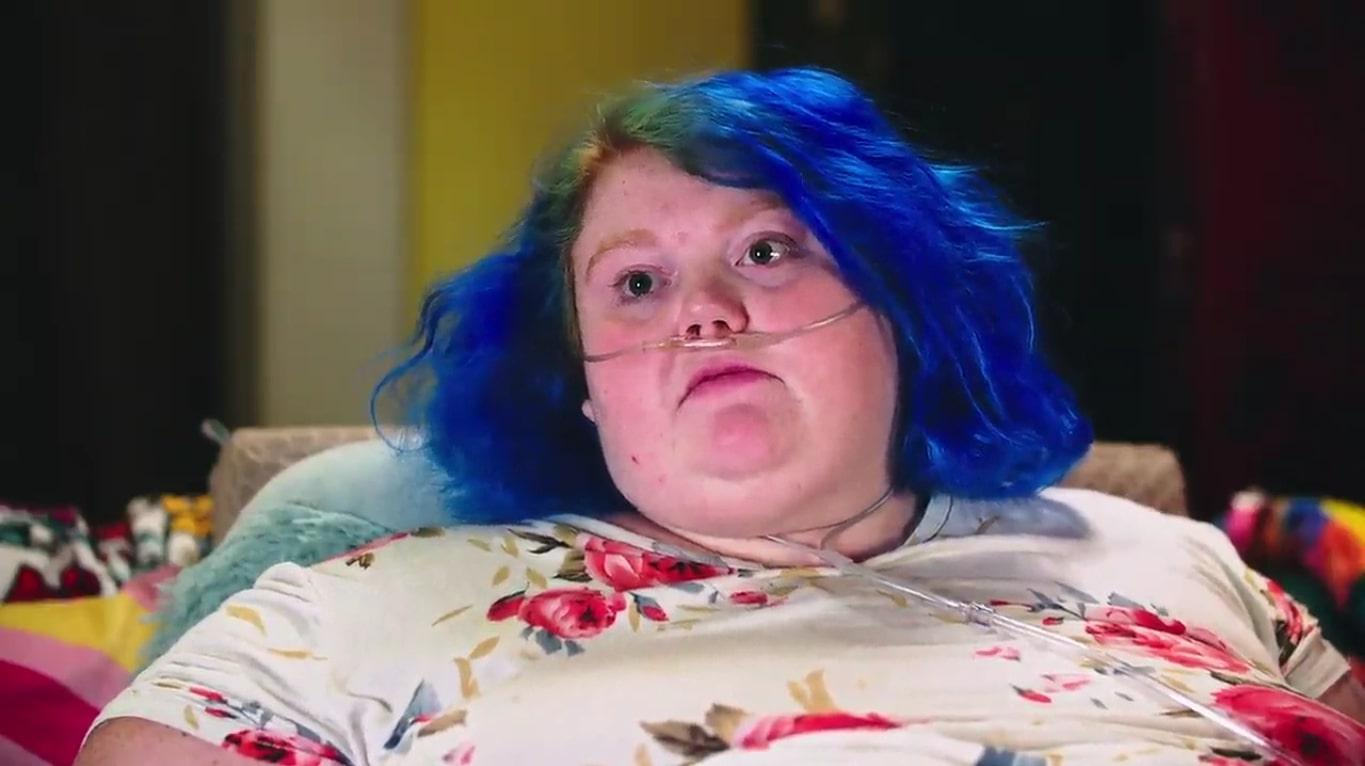
Martinez came to national attention through her 2022 episode of My 600-Lb. Life, though reporting notes the season itself premiered in 2021. She was from Fort Worth, Texas, and when viewers met her on the show, she was 25 years old, weighed 593 pounds, and relied on supplemental oxygen. Her episode presented not only the physical consequences of extreme obesity, but also the mental and emotional burdens that shaped her relationship with food.
Her own words remain central to understanding why her story resonated so strongly. On the program, Martinez said, “The only thing powerful enough to distract me from darker thoughts is food,” and added, “Food is my go-to drug that takes my pain away.” Those lines were difficult to hear because they framed obesity not simply as a medical condition, but as part of a deeper struggle involving emotional distress and dependence.

The Announcement From Her Family
The news of Martinez’s death became public after her sister, Lindsey Cooper, shared a statement on Facebook on Saturday, April 11. Cooper wrote, “It is with a heavy heart that I share the passing of my beautiful sister, Dolly.” She described her as someone with “the brightest personality” who could “light up any room with her laughter, her kindness, and her loving spirit.” Cooper also wrote, “Rest peacefully, Dolly. You will always be loved, always be missed, and never forgotten.”
A day earlier, Cooper had posted that her sister was in the hospital and “fighting for her life,” while asking for prayers and privacy. That message gave the public its first indication that Martinez was facing a grave medical crisis. As of the latest reporting, no official cause of death has been publicly disclosed.


What Her Episode Revealed
Martinez’s episode fit the familiar structure of My 600-Lb. Life, which follows people living with severe obesity as they try to lose enough weight to improve their health and, in many cases, qualify for bariatric surgery. But her case stood out because it combined medical urgency with instability in other areas of life. Reports tied to her episode described the difficulty of managing physical illness, mental health problems, and disrupted living circumstances at the same time.
The most consistently reported number from her time on the show is that she lost 40 pounds. That loss showed progress, but it did not resolve the underlying complexity of her situation. Most of the reporting says she was not approved for weight-loss surgery during her episode, although one source in the material you provided describes that point differently. Because of that inconsistency, the safest conclusion is that her journey on the show showed partial progress without a clear breakthrough that changed the broader pattern of struggle.
Why Her Death Has Hit Viewers So Hard
Martinez was not famous in the conventional entertainment sense. She became known through a program that asked viewers to witness vulnerability in a raw and often uncomfortable form. That matters because reality television creates a peculiar kind of public bond: audiences feel that they know a person, even when they have only seen an edited fragment of a much larger life. Her death has therefore landed as more than a routine celebrity headline. For many viewers, it feels like the loss of someone whose struggle they had followed in real time.
That reaction also says something about the show itself. My 600-Lb. Life has long occupied a difficult cultural space between documentation, medical storytelling, and spectacle. It can generate sympathy and awareness, but it can also expose participants to scrutiny that continues long after filming ends. Martinez’s death has brought that tension back into view.


The Backlash Her Sister Confronted
One of the most striking developments after the announcement was not only the mourning, but the cruelty Cooper said her family faced online. In remarks included in the source material, she defended her sister and condemned users who mocked Dolly after her death. Cooper wrote, “My Facebook is my safe space a place where I can share what’s on my heart,” and reminded readers that “there’s so much more to her than what was seen online or on TV.” She also said, “She deserves peace, and she deserves kindness.”
Those statements widened the story beyond grief alone. They turned it into a comment on how internet culture often treats people whose health struggles have been made public. The cruelty Cooper described is not incidental. It reflects a broader failure of digital empathy, especially toward people whose bodies, illnesses, or addictions become subjects of public commentary.
A Larger Pattern Around My 600-Lb. Life
Martinez’s death has also revived discussion about the number of former participants from My 600-Lb. Life who have died. Several reports say that more than two dozen people featured on the show have since passed away. Among the names cited in current coverage are Gina Krasley, Larry Myers Jr., Latonya Pottain, and Pauline Potter. The number itself is sobering, though it should be understood in context: the series follows people already living with severe, life-threatening medical conditions.
Even so, that pattern reinforces the central reality the show documents. These are not abstract transformation arcs. They are stories shaped by high-risk health conditions, long-term complications, and often by mental health burdens that do not disappear when the cameras stop recording.
The Question of Cause, and the Need for Precision
Search interest around Martinez’s death has focused heavily on one question: what caused it? At this stage, the answer remains uncertain in public reporting. Multiple outlets state plainly that no official cause of death has been released. Some reports mention prior health complications, including congestive heart failure, but those references do not amount to an official determination of cause. That distinction matters. It is important not to convert past medical issues into unverified claims about how she died.
In coverage of deaths involving public figures, especially reality television personalities, speculation spreads quickly because audiences feel close to the person involved. But in this case the confirmed facts remain limited: Dolly Martinez died at 30, her sister announced the news on April 11, and no official cause has been publicly disclosed.
What Her Story Leaves Behind
Martinez’s life, as shown to the public, was marked by struggle, candor, and incomplete progress rather than a neatly resolved transformation. That may be one reason her story continues to affect viewers. She did not fit a simple redemption arc. Instead, she represented something more recognizable and more difficult: a person trying to fight through intertwined physical and emotional pain without the guarantee of a clean outcome.
Her death also leaves behind a sharper question for audiences and media alike. What do we owe people once their most painful chapters have been turned into content? Cooper’s statements suggest one answer: basic dignity, restraint, and compassion. In the aftermath of Martinez’s death, that may be the most important lesson attached to her name.
Conclusion
Dolly Martinez’s death at 30 is, first and foremost, a family loss. But it has also become a moment of reflection on reality television, public empathy, and the way health struggles are consumed online. Her time on My 600-Lb. Life introduced millions of viewers to a painful fight involving obesity, food addiction, and mental health. The reporting that followed her death confirmed the sadness of that story’s ending, while the response from her sister made clear that the need for compassion did not end when the episode did. For many people, Martinez will be remembered not only as a television personality, but as a reminder that the people inside these stories are more than the hardest moments ever shown about them.