

Justin Trudeau: Power, Persona, and the Politics of Reinvention
A Leader in Transition
Few political figures in recent decades have experienced as dramatic a transformation in public perception as Justin Trudeau. Once positioned as a youthful reformer who redefined Canada’s global image, Trudeau now finds himself navigating a complex post-political identity—one shaped as much by cultural visibility as by his political legacy.
Recent public appearances, particularly at high-profile events like the Coachella Valley Music and Arts Festival, have placed him at the center of renewed global attention. These moments illustrate not only his personal evolution but also a broader shift in how former political leaders engage with celebrity culture, media scrutiny, and public life after office.
From Parliament to Pop Culture
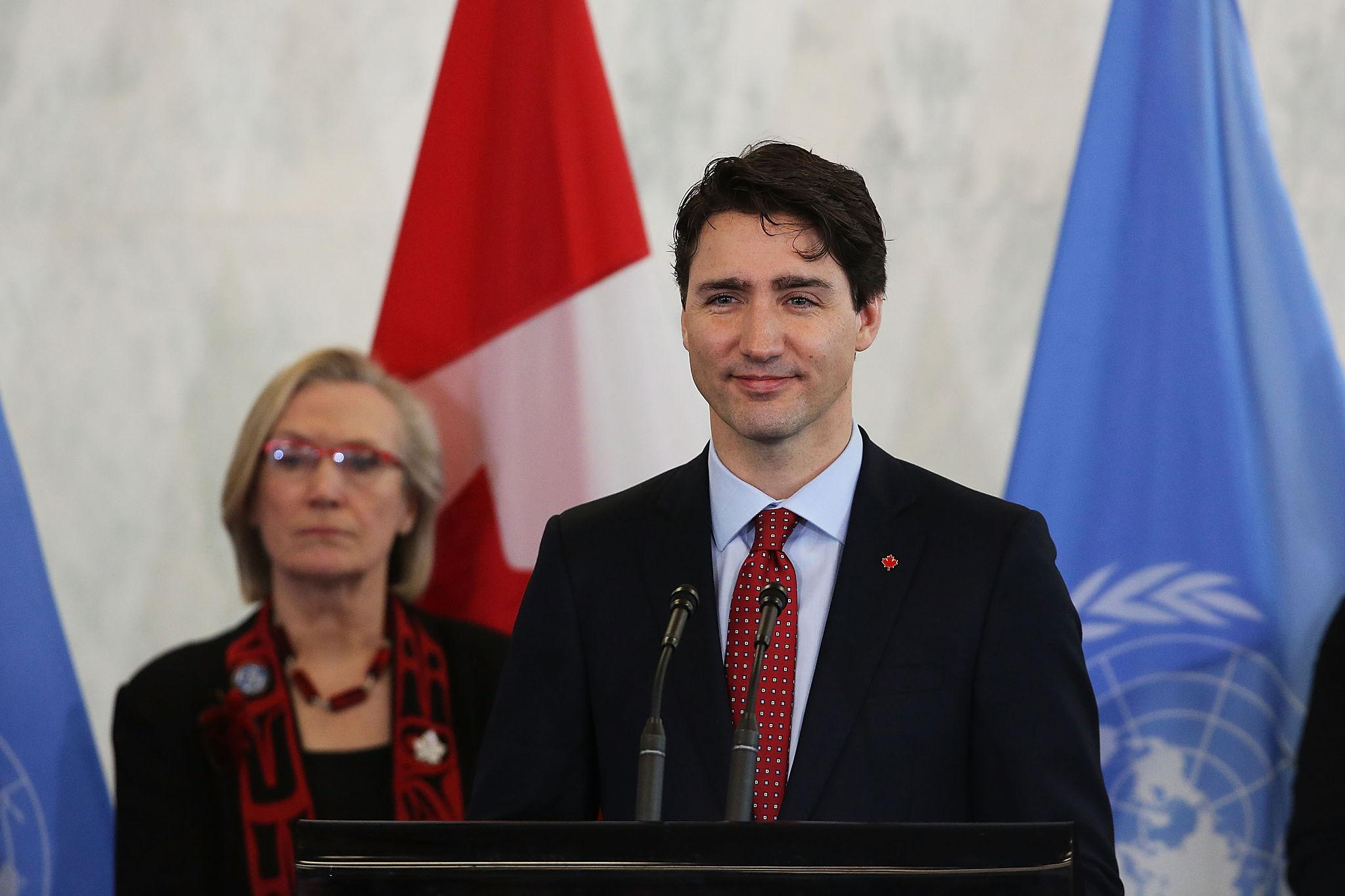
Justin Trudeau served as Canada’s Prime Minister from 2015 until his resignation in January 2025, stepping down amid mounting political pressure. His tenure was marked by progressive policies, international diplomacy, and a carefully curated public image that blended politics with relatability.
However, his recent appearances alongside global pop icon Katy Perry signal a notable departure from the formal world of governance. At Coachella 2026, Trudeau was photographed walking hand-in-hand with Perry, sharing moments of leisure among festival crowds, and engaging in casual interactions that contrasted sharply with his previous political persona.
In images shared widely across social media, the former prime minister appeared in relaxed attire—jeans, a white T-shirt, and a backward baseball cap—blending into the festival environment while simultaneously standing out due to his global recognition.
These visuals, while seemingly trivial, have carried significant symbolic weight.
The Coachella Moment: Visibility and Criticism
The Coachella appearance quickly became a focal point of public debate. Critics, particularly in conservative media circles, framed the moment as emblematic of a perceived decline in political gravitas, with commentary portraying Trudeau as abandoning statesmanship for celebrity culture.
At the same time, supporters and neutral observers interpreted the same scenes differently: as evidence of a public figure reclaiming personal freedom after years of intense political responsibility.
During the festival, Trudeau and Perry were seen dancing to performances, including sets by Justin Bieber, and enjoying the event alongside thousands of attendees.
This duality—admiration versus criticism—highlights the fragmented nature of modern public opinion, where the same image can reinforce contrasting narratives depending on audience perspective.
A High-Profile Relationship Under the Spotlight
Trudeau’s relationship with Katy Perry has become a defining element of his current public image. The couple, romantically linked since mid-2025 and confirmed publicly in December of that year, has attracted sustained media attention.
Their appearances together—ranging from festival outings to elite industry events—have positioned them as an unconventional pairing that bridges politics and entertainment. For instance, the two attended a Netflix industry gathering alongside high-profile figures including Prince Harry and Meghan Markle, underscoring their integration into global celebrity networks.
Sources close to the couple indicate that maintaining stability for their respective families remains a priority, even as they navigate a long-distance relationship shaped by demanding schedules.
This relationship dynamic adds another layer to Trudeau’s evolving narrative: one that merges personal reinvention with public scrutiny.
The Legacy Question
Beyond the headlines and viral images lies a more substantive question: how will Justin Trudeau’s political legacy be remembered?
His time in office included significant policy initiatives on climate change, immigration, and social equity. Yet, like many leaders, his tenure also faced criticism over economic challenges, political controversies, and shifting public trust.
Now, in the post-office phase of his life, Trudeau’s visibility in non-political spaces raises important considerations:
- Can a former head of government successfully transition into a cultural figure without diminishing their legacy?
- Does increased relatability enhance or dilute public respect?
- How does media framing influence long-term historical perception?
These questions are not unique to Trudeau but are increasingly relevant in an era where political figures operate within the same media ecosystems as entertainers and influencers.
Media, Narrative, and Public Perception
The reaction to Trudeau’s recent appearances underscores the powerful role of narrative construction. Media outlets and commentators have framed his Coachella presence in sharply different ways—ranging from celebratory to critical.
For some, the imagery represents authenticity and personal freedom. For others, it suggests a departure from the dignity traditionally associated with political leadership.
This divergence reflects a broader shift in media consumption:
- Visual moments now carry as much weight as policy decisions
- Social media amplifies both praise and criticism simultaneously
- Public figures must navigate multiple identities in real time
In Trudeau’s case, the transition from political leader to cultural participant has intensified this dynamic.
Cultural Relevance in a Post-Political Era
One interpretation of Trudeau’s recent visibility is that it represents an attempt to remain culturally relevant. In a media landscape driven by attention and engagement, relevance often depends on visibility across diverse platforms.
Appearances at events like Coachella—traditionally associated with youth culture, music, and celebrity—position Trudeau within a different audience demographic than traditional political arenas.
This shift may signal:
- A strategic rebranding effort
- A natural personal evolution
- Or simply the realities of life after political office
Regardless of intent, the outcome is clear: Trudeau remains a figure of global interest, even outside formal politics.
What Comes Next?
Looking ahead, several potential trajectories emerge for Justin Trudeau:
- Return to Public Service
While currently out of office, a return to political life cannot be entirely ruled out, particularly given his experience and international recognition. - Transition into Global Advocacy
Many former leaders pivot toward roles in international organizations, foundations, or advocacy initiatives. - Expanded Presence in Cultural and Media Spaces
Continued appearances alongside influential figures could further embed Trudeau within global cultural discourse. - Private Life Focus
Alternatively, he may choose to reduce public exposure and prioritize personal and family commitments.
Each of these paths carries different implications for his long-term legacy.
Conclusion: Reinvention in Real Time
Justin Trudeau’s current chapter illustrates the complexities of modern public life. No longer confined to the structures of political office, he operates within a broader cultural landscape where identity, perception, and visibility intersect.
His Coachella appearance, relationship with Katy Perry, and continued media presence are not isolated events—they are part of an ongoing narrative about reinvention, relevance, and the evolving role of public figures in the 21st century.
Whether viewed as a natural transition or a controversial shift, one point remains clear: Justin Trudeau continues to command attention, shaping conversations that extend far beyond the political arena.


