Emmerson Mnangagwa: Power, Politics, and the Questions Shaping Zimbabwe Today
A Leadership Defined by Transition and Continuity
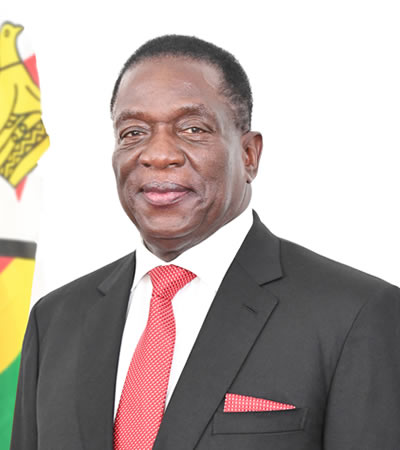
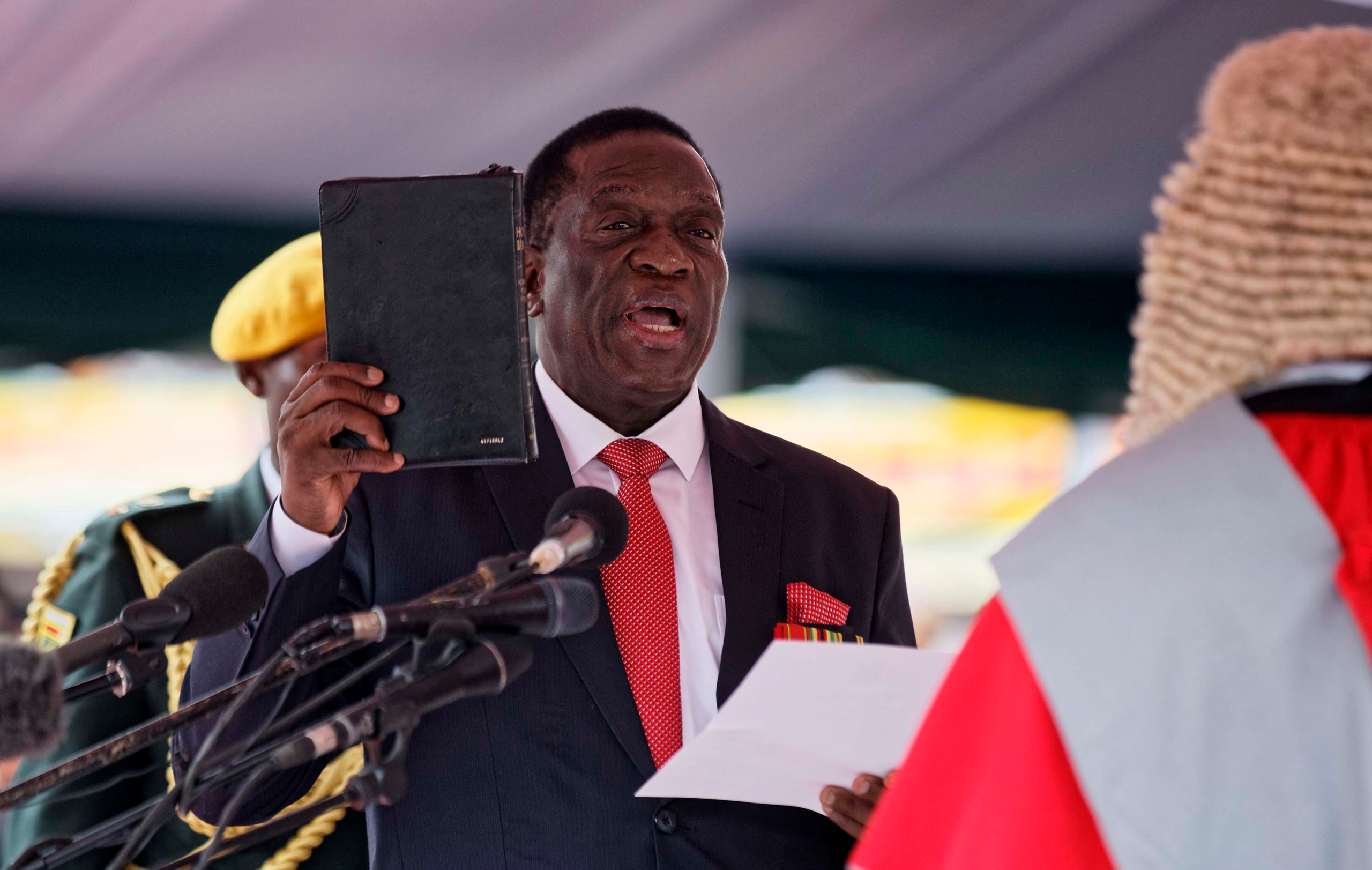
Few African leaders have risen to power under circumstances as dramatic as Emmerson Mnangagwa. His presidency marked a historic turning point in Zimbabwe, following the end of nearly four decades of rule by Robert Mugabe.
- A Leadership Defined by Transition and Continuity
- From Liberation Fighter to President
- The “Crocodile”: A Nickname with Meaning
- Presidency and Latest Developments
- Is Emmerson Mnangagwa a Good Leader?
- Net Worth: A Subject of Speculation
- Religion and Personal Beliefs
- Family Life: Children and Legacy
- Education and Early Formation
- Governance, Economy, and Public Expectations
- Regional and Global Positioning
- Conclusion: A Presidency Still Under Scrutiny
Mnangagwa’s ascent in 2017 was not simply a leadership change—it was a political reset moment. Yet, years later, debate persists: has his leadership delivered meaningful reform, or has it largely preserved the structures of the past?
This article examines the key dimensions shaping public interest around Mnangagwa—his leadership, wealth, religion, family, education, and the latest developments surrounding his presidency.


From Liberation Fighter to President
Mnangagwa’s political journey is rooted in Zimbabwe’s liberation struggle. As a young man, he was involved in the fight against colonial rule, aligning himself with the ruling party ZANU-PF.
After independence in 1980, he became a central figure in government, holding key positions including:


- Minister of State Security
- Minister of Justice
- Vice President
This long tenure positioned him as one of the most experienced—and controversial—figures in Zimbabwean politics.
The “Crocodile”: A Nickname with Meaning
Mnangagwa is widely known by his nickname, “The Crocodile.”
The nickname reflects:
- His reputation for patience and strategic calculation
- His ability to survive political upheavals
- A perception of political toughness and resilience
In Zimbabwean political culture, the crocodile symbolizes both danger and endurance—traits often associated with his leadership style.


Presidency and Latest Developments
Since assuming office in 2017, Mnangagwa has led Zimbabwe through a complex period marked by:
- Economic instability
- Currency fluctuations
- International scrutiny
- Calls for democratic reforms
His administration has frequently emphasized:
- Economic recovery strategies
- Foreign investment attraction
- Infrastructure development
However, critics argue that progress has been uneven, with persistent challenges including inflation, unemployment, and governance concerns.
Recent developments often center on:
- Policy reforms aimed at stabilizing the economy
- Electoral processes and political opposition
- Engagement with international financial institutions
The central question remains: can Zimbabwe achieve sustained economic recovery under his leadership?
Is Emmerson Mnangagwa a Good Leader?
This question continues to divide opinion.
Supporters argue:
- He brought stability after Mugabe’s long rule
- He has pursued economic reforms and re-engagement with global partners
- He maintains strong control over state institutions
Critics contend:
- Reforms have been slow or insufficient
- Political freedoms remain constrained
- Economic hardships persist for many citizens
In analytical terms, Mnangagwa’s leadership can be viewed as transitional but contested—a mix of reformist rhetoric and continuity in governance practices.
Net Worth: A Subject of Speculation
Mnangagwa’s net worth is frequently discussed, but precise figures remain unclear.
Key considerations:
- His decades in government suggest access to significant resources
- Public disclosures of wealth are limited
- Estimates vary widely depending on sources
As with many political figures, distinguishing between personal wealth and state-linked influence is difficult.
Religion and Personal Beliefs
Mnangagwa is generally associated with Christianity, which aligns with the majority religion in Zimbabwe.
His public image often reflects:
- Participation in religious events
- References to faith in speeches
- Alignment with traditional values
Religion plays a subtle but important role in shaping his public persona and political messaging.
Family Life: Children and Legacy
Mnangagwa’s family is a visible part of his political narrative.
Emmerson Mnangagwa Jr
His son, commonly referred to as Emmerson Mnangagwa Jr, has gained attention in both business and political circles.
- He is involved in entrepreneurial ventures
- Occasionally appears in public alongside his father
- Represents a potential continuation of political influence
Grandchildren and Private Life
Mnangagwa is also a grandfather, though details about his grandchildren are largely kept private.
This balance between public visibility and personal privacy reflects a broader trend among African political leaders.
Education and Early Formation
Mnangagwa’s education played a foundational role in shaping his political career.
He studied law, which later informed his roles in:
- Justice and legal affairs
- Constitutional matters
- Governance structures
His legal background contributed to his reputation as a disciplined and methodical political operator.
Governance, Economy, and Public Expectations
Zimbabwe’s economic trajectory remains central to Mnangagwa’s presidency.
Key challenges include:
- Inflation and currency instability
- Limited industrial productivity
- Youth unemployment
Government responses have included:
- Monetary policy adjustments
- Investment promotion strategies
- Infrastructure projects
However, public expectations remain high, and tangible improvements in living standards continue to be the primary benchmark for evaluating his leadership.
Regional and Global Positioning
Mnangagwa’s administration has also focused on repositioning Zimbabwe internationally.
This includes:
- Re-engagement with global financial institutions
- Strengthening ties within Southern Africa
- Efforts to attract foreign direct investment
These moves are critical for economic recovery, but progress depends heavily on internal reforms and political stability.
Conclusion: A Presidency Still Under Scrutiny
Emmerson Mnangagwa’s leadership represents a complex intersection of history, power, and expectation.
He is:
- A liberation-era figure navigating modern governance challenges
- A president balancing reform promises with entrenched systems
- A leader whose legacy remains unresolved
Whether he will ultimately be remembered as a reformer or a continuation of past political traditions depends on one central factor: Zimbabwe’s ability to achieve sustained economic and democratic progress under his watch.