
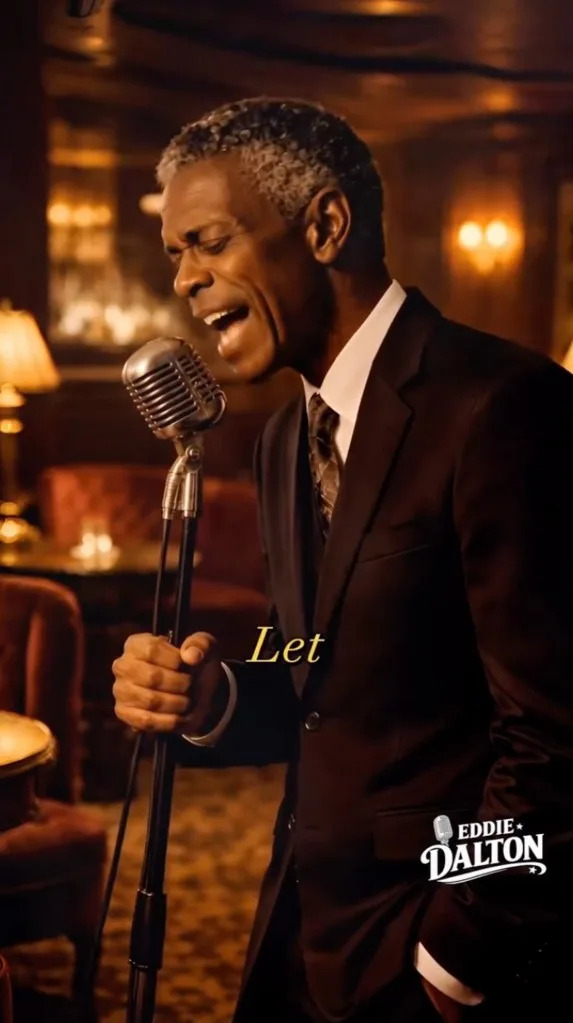
Eddie Dalton Net Worth: Breaking Down the Reality Behind the Viral “Artist”
Introduction: A Net Worth Story Unlike Any Other
The conversation around “Eddie Dalton net worth” has surged alongside the sudden viral success of the mysterious blues singer dominating iTunes charts. But unlike traditional musicians whose wealth is built on tours, endorsements, and record deals, Eddie Dalton represents something fundamentally different—a digital-era anomaly where identity, value, and income intersect in unconventional ways.
At first glance, the question seems straightforward: How much is Eddie Dalton worth? Yet the answer reveals a deeper narrative about artificial intelligence, perception, and the evolving definition of wealth in the music industry.
The Identity Behind Eddie Dalton
The first critical factor in understanding Eddie Dalton’s net worth is recognizing that the “artist” is not a conventional human performer.
Recent revelations show that “Eddie Dalton” is an AI-generated music persona created by content creator Dallas Ray Little, operating through a company called Crunchy Records.
Despite being fictional, Dalton has achieved tangible success:
- Multiple appearances on the iTunes Top 100 chart
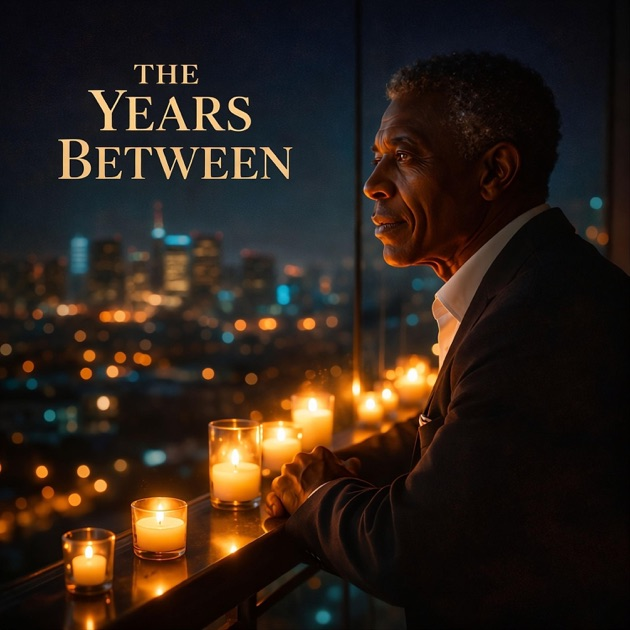
- A No. 3 ranking on the iTunes Top Albums chart with “The Years Between”
- Viral traction across platforms, including YouTube and social media
This creates an unusual scenario: the “brand” has real commercial performance, but the “person” does not exist.
Estimated Net Worth: What Do the Numbers Say?
Unlike established celebrities with audited earnings, Eddie Dalton’s net worth is not formally documented. However, several community-based estimates and discussions suggest a rough valuation.
One widely circulated estimate places Dalton’s net worth at approximately $500,000, though this figure appears speculative and derived from informal analysis rather than verified financial disclosures.
What This Estimate Likely Includes
To interpret that figure accurately, it is important to understand what “net worth” typically represents:
- Digital revenue streams (music downloads, streaming income)
- Content monetization (YouTube views, social engagement)
- Intellectual property value (songs, brand identity)
- Underlying assets (if attributed to the creator behind the project)
Some commentary suggests that a large portion of this estimated value could be tied to assets like property or long-term holdings rather than purely music income.
Revenue Streams: How Eddie Dalton Generates Value
Even as a virtual artist, Eddie Dalton operates within a familiar economic structure. The difference lies in efficiency and scalability.
1. Digital Music Sales
iTunes charts favor downloads, which can significantly boost visibility and revenue. However, this model can sometimes distort broader popularity metrics when compared to streaming platforms.
2. Streaming and YouTube
The song “Another Day Old” has surpassed 1.4 million views on YouTube, indicating:
- Advertising revenue potential
- Audience engagement and retention
- Algorithm-driven discoverability
3. Low Production Costs
Traditional artists incur expenses such as:
- Studio time
- Touring logistics
- Personnel and management
In contrast, AI-generated music significantly reduces these costs, meaning a higher profit margin relative to revenue.
4. Scalable Content Creation
Because the “artist” is AI-based, output can be scaled rapidly:
- Multiple songs released in short timeframes
- Consistent branding without physical limitations
- Automated content distribution
This model introduces a new kind of “digital leverage” in wealth generation.
The Bigger Picture: Net Worth vs. “Time Wealth”
Interestingly, Eddie Dalton’s own writing introduces a contrasting perspective on wealth—one that shifts the conversation away from money entirely.
In a widely shared essay, Dalton frames time as the ultimate form of wealth:
- 1 billion seconds = 31.7 years
- The average human lifespan equals roughly 2.2 billion seconds
This reframing suggests that individuals are already “multi-billionaires” in terms of time, even if not financially wealthy.
The argument challenges conventional net worth thinking:
- Money can be accumulated
- Time cannot be recovered
- Every second spent is irreversible
This philosophical lens adds a unique dimension to the discussion of “Eddie Dalton net worth,” positioning the concept as both financial and existential.
Public Reaction and Perception
The rise of Eddie Dalton has sparked mixed reactions across audiences:
Positive Sentiment
- Listeners describe the music as “soulful” and relatable
- Viral comments highlight emotional resonance with songs like “Another Day Old”
Skepticism and Criticism
- Questions about authenticity and transparency
- Concerns about AI distorting music charts
- Debate over what constitutes a “real” artist
These contrasting perspectives influence how the “value” of Eddie Dalton is perceived—not just financially, but culturally.
How AI Is Redefining Artist Net Worth
Eddie Dalton’s case signals a broader shift in how wealth is created in the music industry.
Traditional Artist Model
- Human talent and performance
- Touring and live shows
- Brand endorsements
AI Artist Model
- Algorithm-driven production
- Minimal operational costs
- Scalable digital distribution
This transition suggests that future “net worth” calculations may rely less on physical presence and more on:
- Intellectual property
- Platform performance
- Data-driven engagement
The Uncertainty Factor: Why Net Worth Remains Fluid
It is important to note that any estimate of Eddie Dalton’s net worth remains highly unstable.
Several variables contribute to this uncertainty:
- Lack of verified financial disclosures
- Rapid changes in digital revenue
- Dependence on platform algorithms
- Ambiguity between the artist persona and its creator
Even in traditional contexts, net worth fluctuates significantly based on market conditions, asset valuations, and income streams.
For a digital entity like Eddie Dalton, this volatility is even more pronounced.
Future Outlook: What Happens Next?
The trajectory of Eddie Dalton raises several forward-looking questions:
1. Will AI Artists Become Mainstream?
If current trends continue, AI-generated musicians could:
- Compete directly with human artists
- Dominate certain digital platforms
- Redefine industry standards
2. Monetization Expansion
Future revenue streams may include:
- Licensing deals
- Brand collaborations
- Subscription-based content ecosystems
3. Regulatory and Ethical Considerations
- Disclosure requirements for AI content
- Copyright and ownership issues
- Audience transparency expectations
Conclusion: Beyond the Dollar Figure
Eddie Dalton’s net worth is not just a number—it is a case study in how value is evolving in the digital age.
While informal estimates place his financial worth around $500,000, the broader significance lies elsewhere:
- The merging of AI and creative industries
- The shifting definition of authenticity
- The emergence of scalable, low-cost content models
Perhaps most notably, Dalton’s own philosophy reframes the conversation entirely. In a world increasingly focused on monetary success, the idea that time—not money—is the ultimate currency introduces a counterpoint that resonates far beyond financial metrics.


