
Tel Aviv Under Fire: Inside the Escalation Reshaping a City
A City at the Center of a Regional Storm
In recent weeks, Tel Aviv has shifted from a symbol of modern urban life and economic vitality to a frontline city caught in an intensifying regional conflict. The latest developments—marked by missile strikes, civilian casualties, and widespread disruption—have underscored how quickly geopolitical tensions can translate into real consequences for everyday life.
The most recent incident, described as one of the most serious attacks on central Israel in the current escalation, has drawn attention not only for its immediate human toll but also for what it reveals about the broader trajectory of the conflict.
The Night of the Strike: What Happened
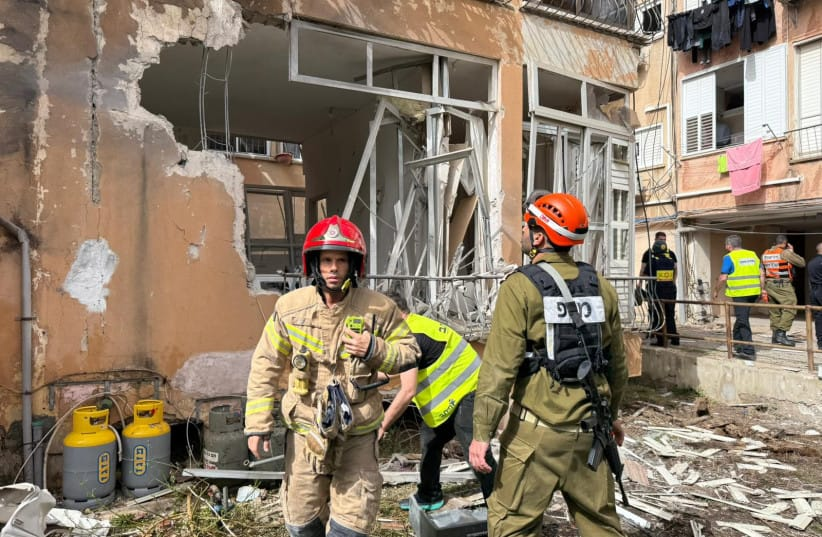
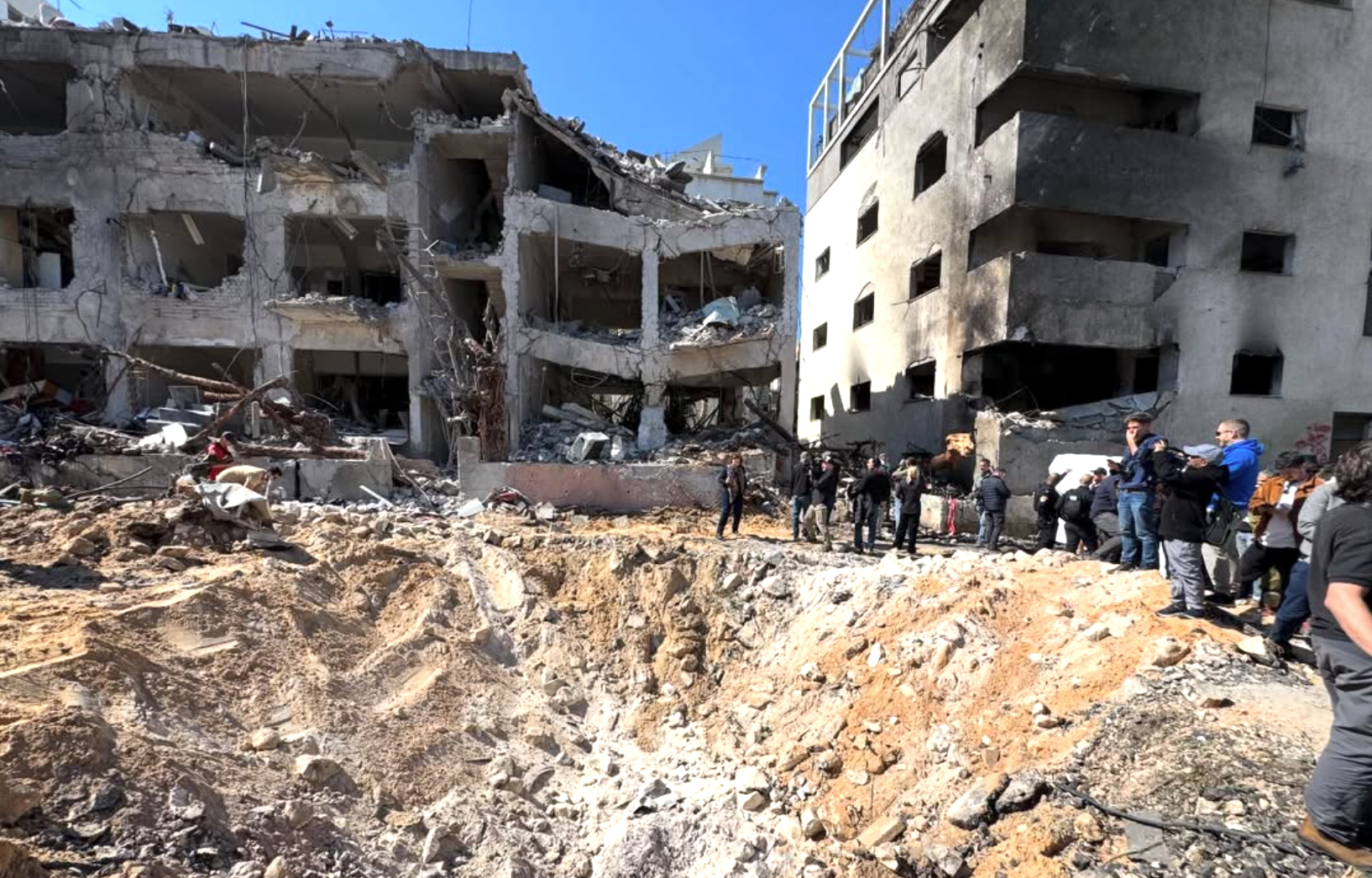
On the evening of March 28, 2026, central Israel experienced a direct missile attack attributed to Iran. According to emergency and official reports, fragments from a cluster missile struck multiple locations across the metropolitan area.
The impact was immediate and severe:
- One person was killed
- Several others were injured
- Damage was reported across buildings, streets, and vehicles
Missile fragments were dispersed across 10 different locations, affecting not only Tel Aviv but also nearby cities including:
- Ramat Gan
- Givatayim
Emergency services confirmed that the scattered nature of the fragments amplified the destruction, turning what might have been a localized strike into a multi-point urban emergency.
The Broader Scale of the Conflict
The attack on Tel Aviv is not an isolated event but part of a sustained military campaign. Since the escalation began, the scale of attacks has been significant:
- More than 550 missiles launched toward Israel
- Over 765 drones deployed
- 22 total deaths reported
- More than 5,000 injuries recorded
These figures illustrate a conflict that has moved beyond sporadic exchanges into a sustained and high-intensity confrontation.
Mass Displacement and Civilian Impact
Beyond casualties, the conflict has triggered one of the largest internal displacement waves in recent Israeli history. Tel Aviv alone has recorded the highest number of evacuations:
- 1,515 residents evacuated from Tel Aviv
- Hundreds more displaced from cities such as Dimona, Arad, and Beersheba
- Additional evacuations from smaller towns and communities across the country
Evacuated residents are being relocated to temporary accommodations, including hotels in Eilat, with costs covered by the government.
This large-scale displacement reflects the growing unpredictability of attacks and the difficulty of maintaining civilian safety in densely populated urban areas.
Infrastructure Under Pressure
The physical damage extends beyond immediate strike zones. Reports indicate:
- Severe structural damage to residential and commercial buildings
- Destruction of vehicles and public infrastructure
- Disruption of urban mobility and daily life
Urban centers like Tel Aviv, designed for density and economic activity, are particularly vulnerable when attacks are dispersed across multiple points. The use of cluster munitions—fragmenting into numerous smaller projectiles—further complicates emergency response and recovery.
Information Warfare and Misinformation
As the conflict unfolds, a parallel battle is being fought in the information space. Social media platforms have been flooded with videos and claims purporting to show attacks on Tel Aviv.
However, investigations have revealed that some widely shared footage is misleading. For example:
- A viral video claiming to show a recent missile strike was traced back to 2003 footage from the Iraq War, specifically the “Shock and Awe” campaign in Baghdad
- The clip had been repurposed and circulated with inaccurate descriptions
This highlights a critical dimension of modern conflict: the rapid spread of misinformation, which can distort public perception and escalate tensions.
A War Expanding Beyond Borders
The Tel Aviv strike is part of a broader confrontation involving multiple actors:
- The United States and Israel have been conducting military operations against Iran since late February
- Iran, along with allied groups such as Hezbollah, has responded with missile and drone attacks
The conflict has already resulted in hundreds of deaths, including high-ranking figures, and continues to escalate with no immediate resolution in sight.
Life in Tel Aviv During Crisis
For residents of Tel Aviv, the shift has been abrupt. A city known for its:
- Technology sector
- Cultural vibrancy
- Coastal lifestyle
is now navigating air raid sirens, evacuations, and uncertainty.
Daily routines have been disrupted:
- Businesses face closures or reduced operations
- Schools and public services are affected
- Residents rely heavily on emergency alerts and shelters
The psychological impact is equally significant, as repeated attacks create a climate of sustained anxiety.
What Comes Next?
The trajectory of the conflict suggests several possible developments:
1. Continued Escalation
With both sides demonstrating capacity and willingness to sustain attacks, further strikes on major urban centers remain likely.
2. Expanded Regional Involvement
The involvement of additional actors or neighboring regions could broaden the conflict’s geographic scope.
3. Intensified Civilian Impact
As attacks persist, displacement, infrastructure damage, and economic disruption are expected to increase.
4. Information Control and Media Blackout
Reports indicate strict military censorship within Israel, which may limit the flow of information and complicate international understanding of events.
Conclusion: A City Redefined by Conflict
Tel Aviv’s current reality reflects a broader transformation—from a hub of innovation and global connectivity to a city under direct threat. The recent missile attack underscores the vulnerability of even the most developed urban centers in modern warfare.
At the same time, the situation illustrates how contemporary conflicts operate across multiple dimensions: military, civilian, and informational. As events continue to unfold, Tel Aviv stands not only as a geographic focal point but as a symbol of the far-reaching consequences of regional escalation.


