

Trump’s Iran Post Escalates Tensions: A High-Stakes Standoff Over the Strait of Hormuz
In a volatile phase of the ongoing conflict between the United States and Iran, Donald Trump ignited global concern with a highly charged social media post directed at Tehran. The message, described as expletive-laden and unusually blunt, demanded that Iran reopen the strategically critical Strait of Hormuz or face devastating consequences.
The post was not just rhetoric—it came with a deadline and a direct threat to Iranian infrastructure. Trump warned that failure to comply would result in attacks on Iran’s power plants and bridges, signaling a potential escalation from military engagement to systematic infrastructure targeting.
His statement read in part:
“Tuesday will be Power Plant Day, and Bridge Day, all wrapped up in one, in Iran. There will be nothing like it!!! Open the Fuckin’ Strait, you crazy bastards, or you’ll be living in Hell – JUST WATCH!”
This statement marked one of the most aggressive public warnings issued during the conflict.
Why the Strait of Hormuz Matters
At the center of this crisis is the Strait of Hormuz, a narrow waterway that handles approximately 20% of the world’s oil and gas supply.
Iran’s effective restriction of this route has triggered:
- Sharp increases in global oil prices
- Disruptions to international shipping
- Inflation fears across major economies
Recent data shows oil prices surging above $110 per barrel, reflecting investor anxiety and supply uncertainty.
Iran has made its position clear: the strait will only reopen when compensation is provided for damages caused during the war.
A Timeline of Escalation
Trump’s latest post is part of a pattern of escalating deadlines and threats:
- March 21 – Initial 48-hour ultimatum to reopen the strait
- March 23–April 4 – Multiple deadline extensions amid claims of ongoing talks
- April 6 – New ultimatum set for “Tuesday, 8:00 P.M. Eastern Time”
Each extension has been accompanied by stronger language and broader threats, reflecting mounting frustration within the U.S. administration.
Iran’s Response: Defiance and Counter-Threats
Iranian officials reacted swiftly, dismissing Trump’s remarks as erratic and dangerous. A senior military commander described the threat as a
“helpless, nervous, unbalanced and stupid action.”
Meanwhile, Iran’s leadership warned that any attack on civilian infrastructure would trigger:
- “Much more devastating” retaliation
- Wider regional escalation
- Expanded strikes on Gulf energy facilities
Iran’s deputy foreign minister went further, suggesting that targeting power plants and bridges could constitute war crimes under international law.
War Expands Across the Region
The rhetoric comes amid intensifying military activity across multiple fronts:
- Iranian missile strike on Haifa killed civilians and injured others
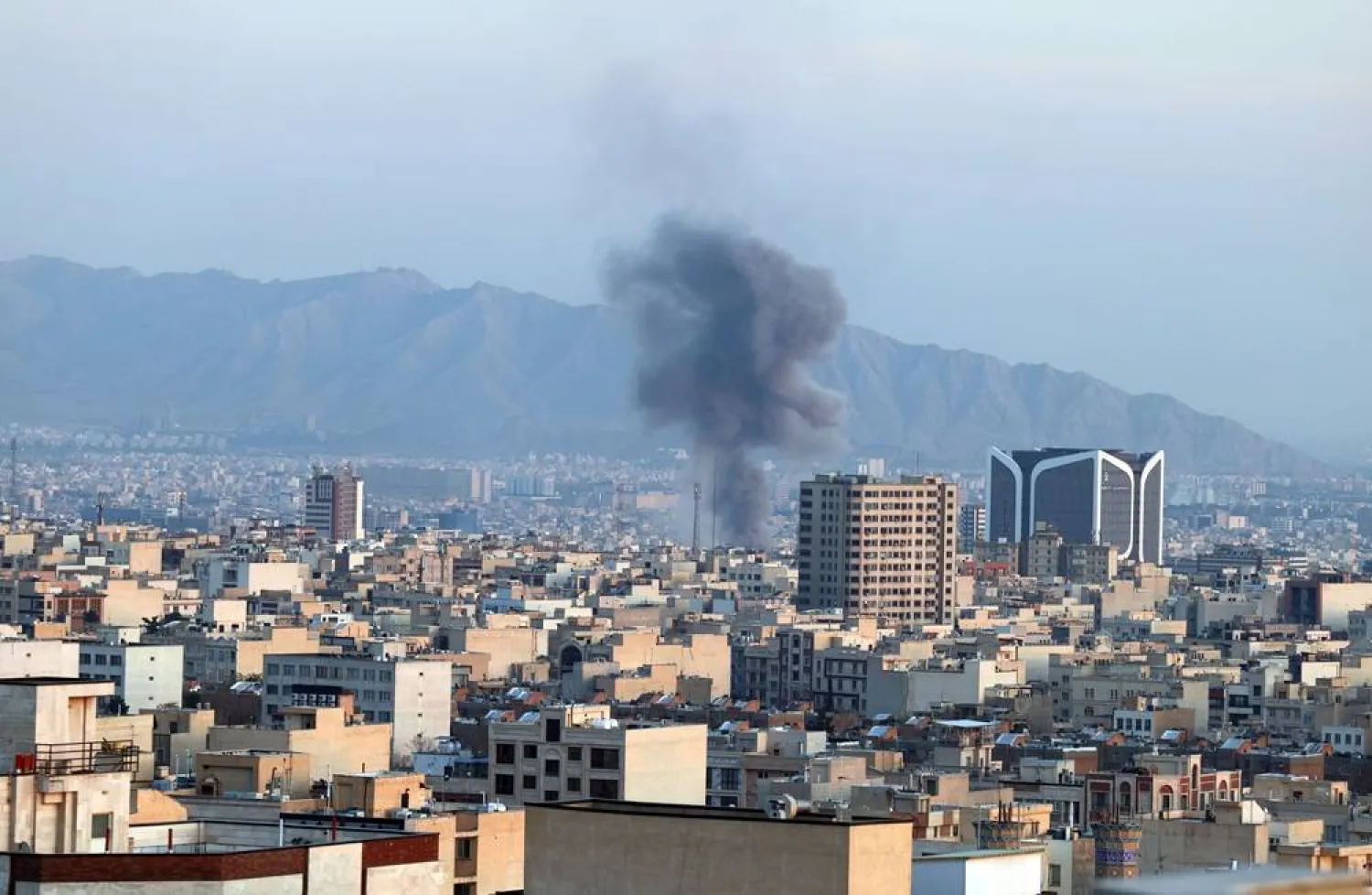
- US-Israeli strikes in Tehran killed senior military figures, including IRGC intelligence chief Maj. Gen. Majid Khademi
- Drone and missile attacks hit energy infrastructure in Kuwait, Bahrain, and the UAE
Civilian casualties have also been reported, including children killed in strikes on residential areas in Iran.
The war, now entering its sixth week, shows no clear sign of de-escalation.
The Airman Rescue: A Parallel Narrative
Amid the escalating rhetoric, Trump highlighted a major military success—the rescue of a downed U.S. airman in Iran.
The operation involved:
- Hundreds of military and intelligence personnel
- Special operations forces
- A coordinated deception strategy
Trump described it as:
“one of the most daring Search and Rescue Operations in U.S. History.”
While the rescue provided a symbolic victory, it did little to ease broader tensions.
Political Fallout in the United States
Trump’s language drew sharp criticism domestically:
- Lawmakers described the rhetoric as “dangerous” and “mentally unbalanced”
- Concerns were raised about potential violations of international law
- Allies questioned the strategic implications of escalating threats
The backlash reflects deeper divisions over U.S. foreign policy and military engagement in the Middle East.
Global Economic Shockwaves
The implications extend far beyond the battlefield:
Energy Markets
- Oil prices remain volatile due to supply fears
- Strategic reserves are being considered by major economies
Trade and Shipping
- Disruptions in one of the world’s busiest shipping lanes
- Increased insurance and transport costs
Regional Stability
- Gulf nations face ongoing missile threats
- Diplomatic pressure mounts for de-escalation
Countries like Japan, heavily reliant on Middle Eastern oil, are actively preparing diplomatic interventions.
Is Diplomacy Still Possible?
Despite the aggressive rhetoric, diplomatic efforts continue behind the scenes.
A proposed 45-day ceasefire plan is reportedly under discussion, involving:
- The United States
- Iran
- Regional mediators
However, key obstacles remain:
- Iran refuses to reopen the strait under temporary agreements
- The U.S. is seen as unprepared for long-term concessions
The gap between both sides suggests negotiations remain fragile.
What Comes Next?
Trump’s post represents more than a moment of political theater—it is a signal of potential escalation with global consequences.
Several scenarios could unfold:
- Military Escalation
Direct U.S. strikes on Iranian infrastructure could trigger full-scale regional conflict. - Economic Crisis
Continued disruption in the Strait of Hormuz may drive prolonged energy instability. - Diplomatic Breakthrough
A ceasefire agreement could stabilize the situation, though current positions make this uncertain.
Conclusion: A Crisis at a Critical Threshold
The confrontation between the United States and Iran has entered a dangerous phase where rhetoric, military action, and economic pressure are tightly intertwined.
Trump’s Iran post has amplified tensions, sharpened global attention, and underscored the fragile balance between deterrence and escalation.
With the Strait of Hormuz at the center of the conflict, the stakes extend far beyond the region—affecting global energy security, economic stability, and geopolitical order.
Whether this moment leads to confrontation or compromise will depend on decisions made in the coming days.


