

Introduction: When a Symbol Sparks a Story
In the fast-moving world of social media, a single post—sometimes even a symbol like “@”—can ignite widespread discussion, speculation, and controversy. What begins as casual content often evolves into viral narratives, shaping public perception in real time.
A recent case involving Amad Diallo illustrates how quickly misinformation can spread—and how difficult it can be to correct once it gains traction. The incident, centered around a false claim about his personal life, provides a clear example of how digital culture intersects with sports, privacy, and public scrutiny.
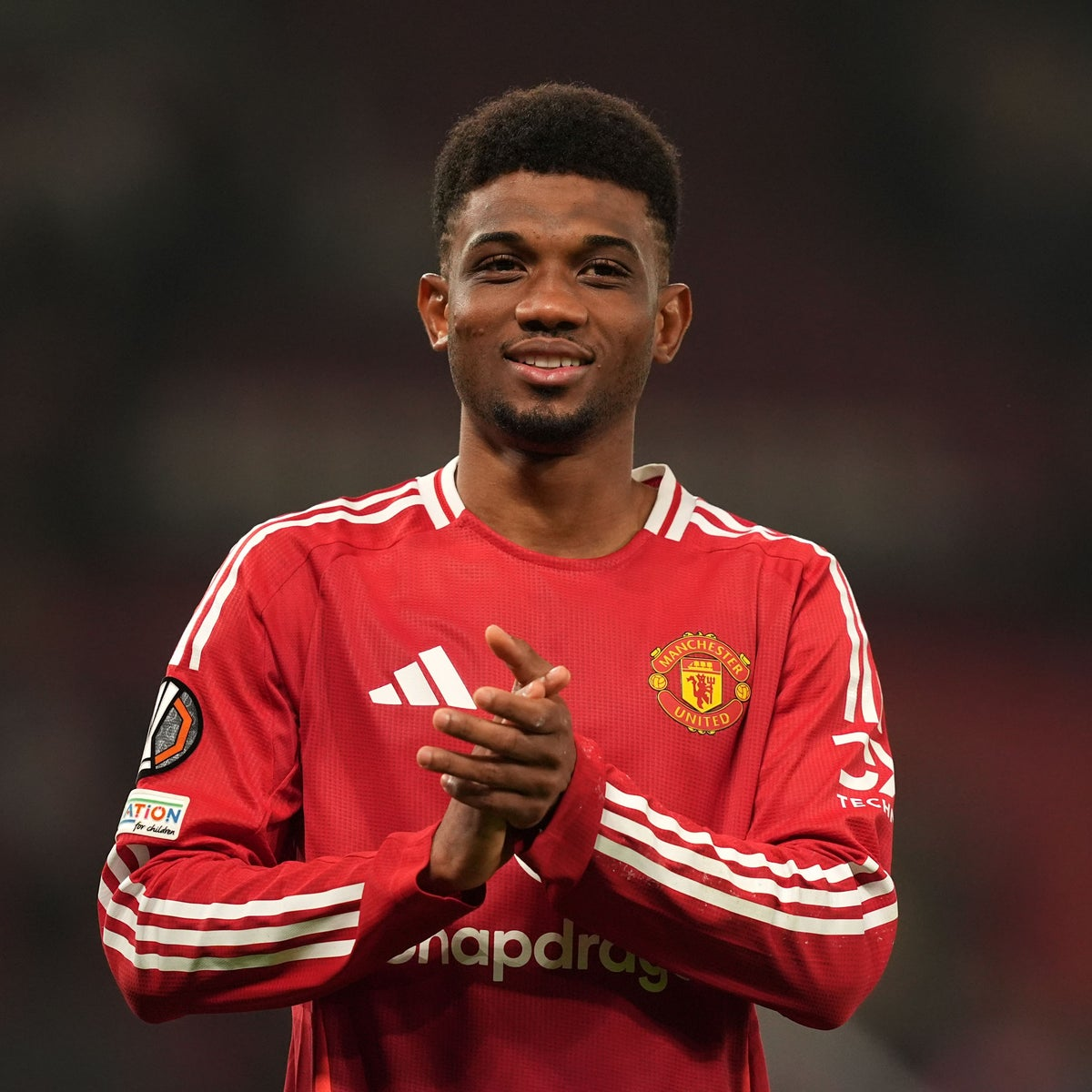
The Viral Post That Triggered the Storm
The controversy began with a social media post claiming that Amad Diallo had visited his “pregnant wife” after a match. The post included images and emotional captions designed to attract engagement.
The wording—“Amad Diallo visits his pregnant wife after the weekend game. Impossible not to love them”—was crafted to evoke admiration and emotional reaction. It quickly gained traction, accumulating reactions and comments across platforms.
However, the claim was not verified. In fact, it was later suggested that at least one of the images used in the post may have been AI-generated.
Amad Diallo Responds: A Direct Rebuttal
Unlike many athletes who choose to ignore online rumors, Amad Diallo responded directly and publicly.
Quoting the viral post, he stated:
“Spreading false information will not help you promote your page. A bit respect for my privacy.”
This response served two purposes:
- It debunked the claim outright
- It highlighted the issue of privacy violations in digital spaces
The clarity of his statement left little room for ambiguity—there was no “pregnant wife” as claimed, and the narrative circulating online was false.
The Match Context: Performance Amid Distraction
The incident unfolded shortly after a Premier League match between Manchester United and Nottingham Forest.
Diallo had scored a crucial goal in that game, equalizing in the 81st minute to secure a 2–2 draw. His performance contributed to extending the team’s unbeaten run.
Despite this on-field contribution, the post-match conversation shifted away from football and toward personal speculation—demonstrating how quickly narratives can be redirected in the digital age.
Understanding the Player Behind the Headlines
To fully grasp the impact of such incidents, it is important to understand who Amad Diallo is beyond the viral moment.
Early Life and Career Development
- Born on 11 July 2002 in Abidjan, Ivory Coast
- Moved to Italy at a young age and developed through youth academies
- Joined Atalanta’s system, where he quickly rose through the ranks
Diallo made history early in his career by scoring on his Serie A debut, becoming one of the youngest players to achieve such a milestone.
Rise at Manchester United
His transfer to Manchester United in 2021 marked a significant step:
- Reported transfer fee: €21.3 million to €37 million (with bonuses)
- Versatile attacking player: winger, attacking midfielder, and even wing-back
- Known for dribbling, creativity, and technical ability
He has since accumulated appearances, goals, and key contributions across competitions, including loan spells that accelerated his development.
Social Media Reactions: Divided and Unfiltered
The original post triggered a wide range of reactions, reflecting the unpredictable nature of online discourse.
Some users expressed admiration:
- “Nice family amad”
Others questioned or criticized:
- “Married white??? I don’t think so.”
- “Hope he won’t lose his hard earned wealth…”
And some dismissed the claim entirely:
- “Not true is fake news”
This spectrum of responses highlights a key issue: social media often amplifies speculation before verification.
The Role of AI and Fabricated Content
One of the more concerning aspects of the incident is the suggestion that an image used in the post was AI-generated.
This introduces a broader challenge:
- AI-generated visuals can appear authentic
- They can be used to support false narratives
- They complicate efforts to distinguish fact from fiction
In this case, the combination of emotional storytelling and manipulated imagery created a compelling—but inaccurate—narrative.
Privacy vs. Public Persona in Modern Football
Professional athletes operate in a complex environment where:
- Their performances are public
- Their personal lives are often scrutinized
- Their online presence is constantly monitored
Diallo’s response underscores an important boundary:
Public visibility does not equal unlimited access to private life.
His call for “respect for my privacy” reflects a growing concern among athletes about how personal information is handled in the digital space.
Broader Implications: A Case Study in Digital Culture
This episode is not isolated—it reflects broader trends:
1. Virality Over Accuracy
Content designed to attract engagement often spreads faster than verified information.
2. Emotional Framing
Posts that evoke admiration, controversy, or curiosity are more likely to go viral.
3. Athlete Vulnerability
Even rising stars like Diallo can become subjects of false narratives.
4. Platform Responsibility
Social media platforms face increasing pressure to manage misinformation effectively.
Looking Ahead: What This Means for Players and Fans
As football continues to intersect with digital culture, similar incidents are likely to persist. However, several developments may shape the future:
- Greater awareness of AI-generated misinformation
- Increased emphasis on digital literacy among fans
- More proactive responses from athletes and clubs
- Potential platform-level interventions to curb false content
For players like Amad Diallo, managing both performance and perception will remain part of the modern professional landscape.
Conclusion: Beyond the “@”
What began as a simple viral post evolved into a broader conversation about truth, privacy, and the power of social media.
Amad Diallo’s situation demonstrates that:
- Not all widely shared stories are accurate
- Direct responses can help correct misinformation
- The line between public and private life remains contested
Ultimately, the incident serves as a reminder that in the digital era, visibility comes with both opportunity and risk—and navigating that balance is now an essential part of being a modern athlete.


