

Trump and Pam Bondi: Power, Loyalty, and a Sudden Break
A Political Alliance That Defined an Era
The relationship between Donald Trump and Pam Bondi was never merely institutional—it was deeply personal, political, and strategic. For years, Bondi stood as one of Trump’s most loyal defenders, both in and out of government. From her role in his impeachment defense to her tenure as Attorney General, she positioned herself as a key figure in advancing his agenda.
Her appointment as Attorney General in early 2025 signaled a decisive shift in how the U.S. Justice Department would operate under Trump’s second presidency. Rather than maintaining the traditional distance between the White House and federal law enforcement, Bondi’s leadership reflected a more direct alignment with presidential priorities.
But that alignment ultimately proved insufficient. In April 2026, Trump abruptly removed Bondi from her position, marking one of the most consequential shake-ups of his administration.
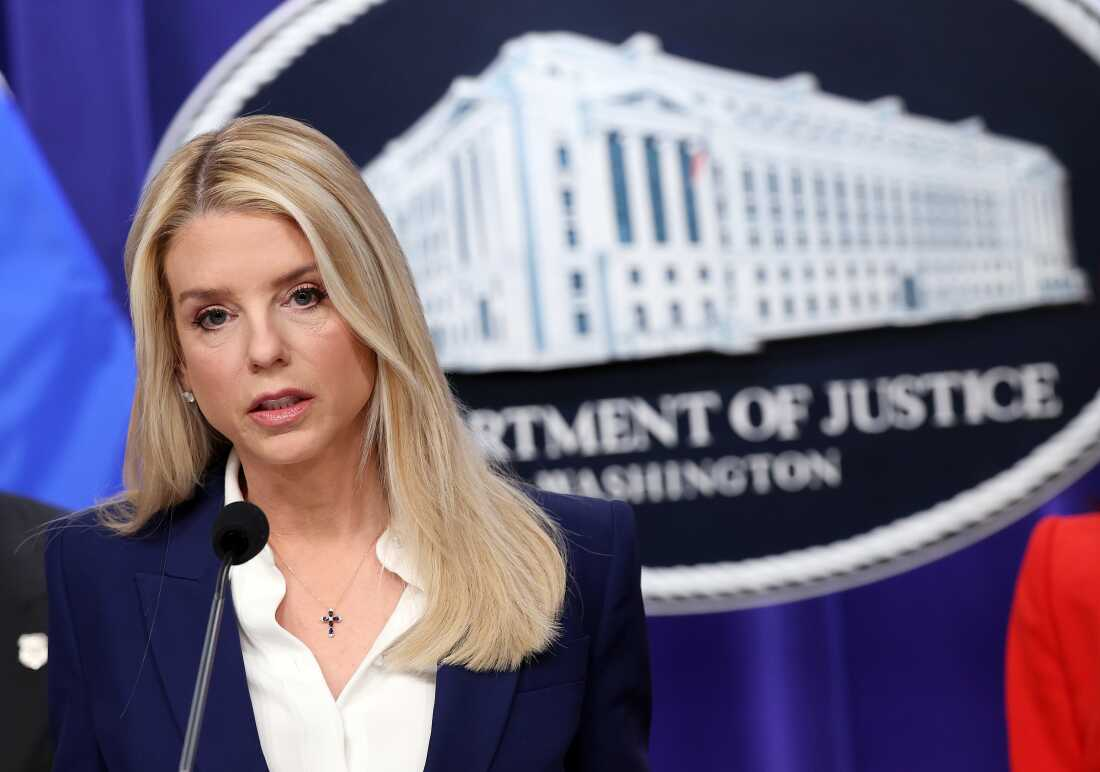
The Breaking Point: Why Trump Fired Pam Bondi
The official explanation for Bondi’s departure was carefully framed. Trump described her as “a Great American Patriot and a loyal friend” and said she would be “transitioning to a much needed and important new job in the private sector.”
However, behind that diplomatic language was a more complex reality.
Mounting Frustrations Inside the White House
According to multiple accounts, Trump had grown increasingly dissatisfied with Bondi’s performance on two key fronts:
- Handling of the Jeffrey Epstein files
- Perceived lack of aggression in targeting political opponents
These concerns had been building for months. Trump reportedly held private discussions about removing her and even had a “tough” conversation with Bondi shortly before the decision was finalized.
The tipping point came when internal frustrations aligned with public controversy.
The Epstein Files Controversy
At the center of Bondi’s troubled tenure was the Justice Department’s handling of documents related to Jeffrey Epstein.
Promises vs. Reality
When Bondi took office, she pledged transparency and suggested that a “client list” connected to Epstein was under review. But the department later clarified that no such list existed, undermining credibility and fueling public skepticism.
Despite eventually releasing millions of documents—often under pressure from Congress—the process was widely criticized:
- Lawmakers accused the department of mishandling sensitive information.
- Survivors said their concerns were ignored.
- Both Republicans and Democrats expressed frustration.
The controversy became politically damaging, not just for Bondi, but for Trump himself.
A Combative Tenure at the Justice Department
Bondi’s leadership style further intensified scrutiny.
Breaking Tradition
Historically, U.S. Attorneys General maintain a degree of independence from the president. Bondi departed sharply from that norm:
- She openly praised and defended Trump in public forums.
- The department launched investigations into several of Trump’s political rivals.
- Career prosecutors were dismissed or resigned in large numbers.
Critics argued that the Justice Department was being used as a political tool. Supporters countered that she was correcting what they saw as bias from previous administrations.
Congressional Clashes
Bondi’s appearances before Congress often turned confrontational. In one hearing, exchanges devolved into shouting matches, reflecting the broader polarization surrounding her tenure.
Even some Republicans began questioning her decisions, particularly regarding the Epstein investigation.
The Immediate Aftermath: Who Replaces Bondi?
Following her removal, Trump appointed Todd Blanche as acting Attorney General.
Blanche, a former defense attorney for Trump, represents continuity in loyalty but raises similar questions about independence. His appointment is widely seen as a temporary measure while the administration considers a permanent replacement.
There are indications that other candidates, including senior political figures, are under consideration, though no final decision has been confirmed.
A Pattern of High-Level Departures
Bondi’s exit did not occur in isolation.
She became:
- The second cabinet-level official removed in recent weeks, following Kristi Noem
- The third major departure of Trump’s second term
This marks a shift from the early perception that Trump’s second administration would be more stable than his first. While initially more disciplined, recent developments suggest a return to frequent personnel changes at the highest levels.
Political and Institutional Implications
Bondi’s removal carries broader implications beyond a single personnel decision.
1. The Future of Justice Department Independence
Her tenure reignited a long-standing debate:
Should the Justice Department operate independently, or align closely with presidential priorities?
Her critics argue that institutional norms were weakened. Her supporters claim she restored accountability.
2. Congressional Assertiveness
The bipartisan push to force the release of Epstein-related documents demonstrated that Congress can still exert pressure—even under a strong executive branch.
As one lawmaker put it, the episode showed that “Congress isn’t a doormat.”
3. Political Risk for Trump
The Epstein controversy, in particular, exposed vulnerabilities within Trump’s base, where expectations for transparency clashed with the administration’s actions.
What Comes Next?
Pam Bondi has indicated she will move to the private sector, though specific details about her next role remain unclear.
For Trump, the immediate challenge is stabilizing the Justice Department while maintaining political momentum. The choice of a permanent Attorney General will be closely watched, not only for qualifications but for signals about how the administration intends to balance loyalty and institutional credibility.
Conclusion: A Relationship That Defined—and Undid—Itself
The Trump–Bondi partnership was built on loyalty, shared political objectives, and mutual defense. For a time, it functioned as a cornerstone of Trump’s governance strategy.
But in the end, the same expectations that elevated Bondi—aggressive alignment with presidential priorities—also contributed to her downfall. When results failed to meet expectations, even a close ally proved replaceable.
Her departure reflects a broader reality in Trump’s political orbit: loyalty is essential, but performance—especially under public and political pressure—ultimately determines survival.


