

The Death of Turkish Actor Ramazan Tetik: A Timeline of Loss, Talent, and Unfinished Promise
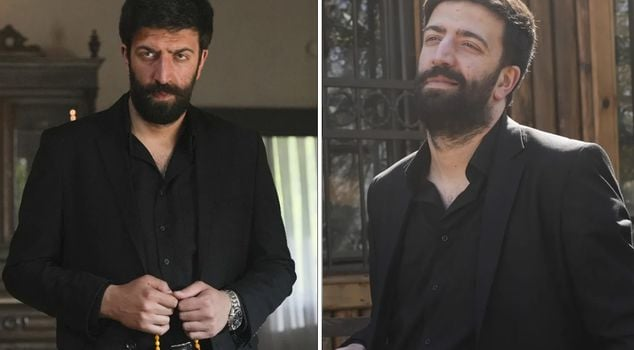
The sudden death of Turkish actor Ramazan Tetik has sent shockwaves through the Turkish entertainment industry and beyond. Known for his role in the series “Ashraf’s Dream”, Tetik’s passing is not just a moment of grief—it is a stark reminder of the fragility of life and the loss of emerging artistic talent at its peak.
This article traces the key developments surrounding his death, his final days, and the legacy he leaves behind.
A Sudden Health Crisis That Turned Fatal
The events leading to Ramazan Tetik’s death unfolded rapidly and tragically.
According to reports, the actor suffered a tear in the aorta, a life-threatening medical emergency. He was immediately transferred to the hospital, where he underwent a serious 13-hour surgery in an attempt to save his life.
Following the operation, Tetik was placed in intensive care, where he remained under close medical supervision. Despite these efforts, his condition deteriorated.
In a desperate attempt to support his recovery, the official accounts of “Ashraf’s Dream” issued an urgent appeal for blood donations, which was widely shared across social media platforms. Actress Demet Özdemir also called on her followers to donate blood for her colleague.
However, the intervention came too late.
His death was officially announced on April 1, 2026, after days of critical treatment.
Shock and Grief Across the Turkish Artistic Community
The announcement of Tetik’s passing triggered an immediate wave of grief across the Turkish entertainment sector.
The Actors Syndicate released an emotional statement mourning the young actor:
“We are deeply saddened by the passing of our dear colleague Ramadan Titik in the prime of his youth. We extend our sincere condolences and sympathy to his family and all his loved ones. May God have mercy on him and grant him paradise.”
Colleagues, friends, and fans expressed their sorrow on social media, highlighting both his talent and his character.
Actress Çiğdem Tunç described him as:
“one of the most polite, loving and talented young actors,”
while actress Ceren Benderlioğlu shared a deeply personal message:
“But Ramadan, you were truly a very good young man.”
These tributes reflect not only professional admiration but also the personal impact Tetik had on those around him.
Funeral Ceremony: A Final Farewell
Tetik’s funeral was held at the Yıldız Mosque in Küçükçekmece, attended by family members, close friends, and numerous figures from the Turkish entertainment industry.
In a symbolic and emotional gesture, his coffin was draped with a Galatasaray jersey and scarf, honoring his well-known support for the Turkish football club.
After the funeral prayer, he was laid to rest in the Old Çekmeköy Cemetery, marking the final chapter of a life that had only just begun to gain recognition.
From Humble Beginnings to Television Breakthrough
Ramazan Tetik’s journey into acting reflects determination and resilience.
- He was born in 1995 in Türkiye.
- He began his career in 2015 in theater, before expanding into performance arts.
- He joined the dance group “AYTA SÖZERİ”, where he performed singing and dancing routines across major venues such as:
- Bursa Open Air Theatre Kulturpark
- Crafts Theatre
- Bodrum Old Theatre
His transition into television came in 2017, with appearances in series such as:
- “Cennet’in Gözyaslari”
- “Ezhel: Sehrimin Tadi”
His most notable role came in 2025, when he starred in “Ashraf’s Dream” alongside Çağatay Ulusoy and Demet Özdemir.
A Life Defined by Hard Work and Commitment
Beyond the screen, Tetik’s story is one of perseverance.
Despite his growing success, he worked long hours as a delivery driver to support himself financially. Importantly, colleagues noted that:
- He never missed rehearsals
- He remained deeply committed to his craft
- He balanced physical labor with artistic ambition
His acting education at the Majdat Jazan Arts Center further shaped his professional development.
This dual life—struggling financially while building a career—resonates with many aspiring actors and underscores the challenges within the entertainment industry.
The Cultural Impact of His Passing
Tetik’s death has broader implications beyond personal loss.
1. The Fragility of Rising Talent
His passing highlights how emerging artists, often at the beginning of their careers, face unpredictable life circumstances that can abruptly end promising trajectories.
2. Community Response in Crisis
The urgent blood donation campaign reflects the solidarity within the entertainment community, as colleagues and fans mobilized quickly to support him.
3. Increased Awareness of Health Risks
Aortic aneurysms and related conditions, often undetected until critical, have gained renewed attention following his death.
“Ashraf’s Dream”: His Final On-Screen Legacy
Tetik’s participation in “Ashraf’s Dream” stands as his last major contribution to television.
The series, featuring a strong cast including Çağatay Ulusoy and Demet Özdemir, had already begun gaining attention.
For many viewers, his role in the series now carries added emotional weight—transforming his performance into a lasting memory rather than just another credit.
A Career Cut Short
At the time of his death, Tetik was widely regarded as a rising star in Turkish drama.
However, conflicting reports about his age—ranging between early 30s—only reinforce a central truth: his career was still in its formative stages.
The loss is therefore not only personal but also professional—a gap left in an industry that thrives on new voices and fresh talent.
Conclusion: Remembering Ramazan Tetik
The death of Ramazan Tetik is more than a headline—it is a narrative of ambition, struggle, and sudden loss.
From his early days in theater and dance to his breakthrough in television, he built a path defined by dedication and resilience. His final days, marked by medical emergency and collective support, reveal both the vulnerability of human life and the strength of community response.
His story now stands as both a tribute and a cautionary tale—one that will remain embedded in the memory of Turkish drama audiences and the wider artistic community.


