

Mojtaba Khamenei: Power, Influence, and Questions Around Iran’s Future Leadership
Introduction: Why Mojtaba Khamenei Is Under Global Scrutiny
In discussions about Iran’s political future, one name repeatedly surfaces with growing intensity: Mojtaba Khamenei. Although he holds no formal public office, his perceived influence within Iran’s political and security apparatus has made him a focal point of speculation—particularly regarding succession to the country’s highest authority, the Supreme Leader.
Search trends around terms like “Is Mojtaba Khamenei the next Supreme Leader?”, “Mojtaba Khamenei wife”, and “Is Mojtaba Khamenei a mujtahid?” reflect a broader curiosity—and concern—about his role, qualifications, and visibility in Iran’s tightly controlled political system.
This article examines his background, influence, personal life, and the broader implications of his potential rise.
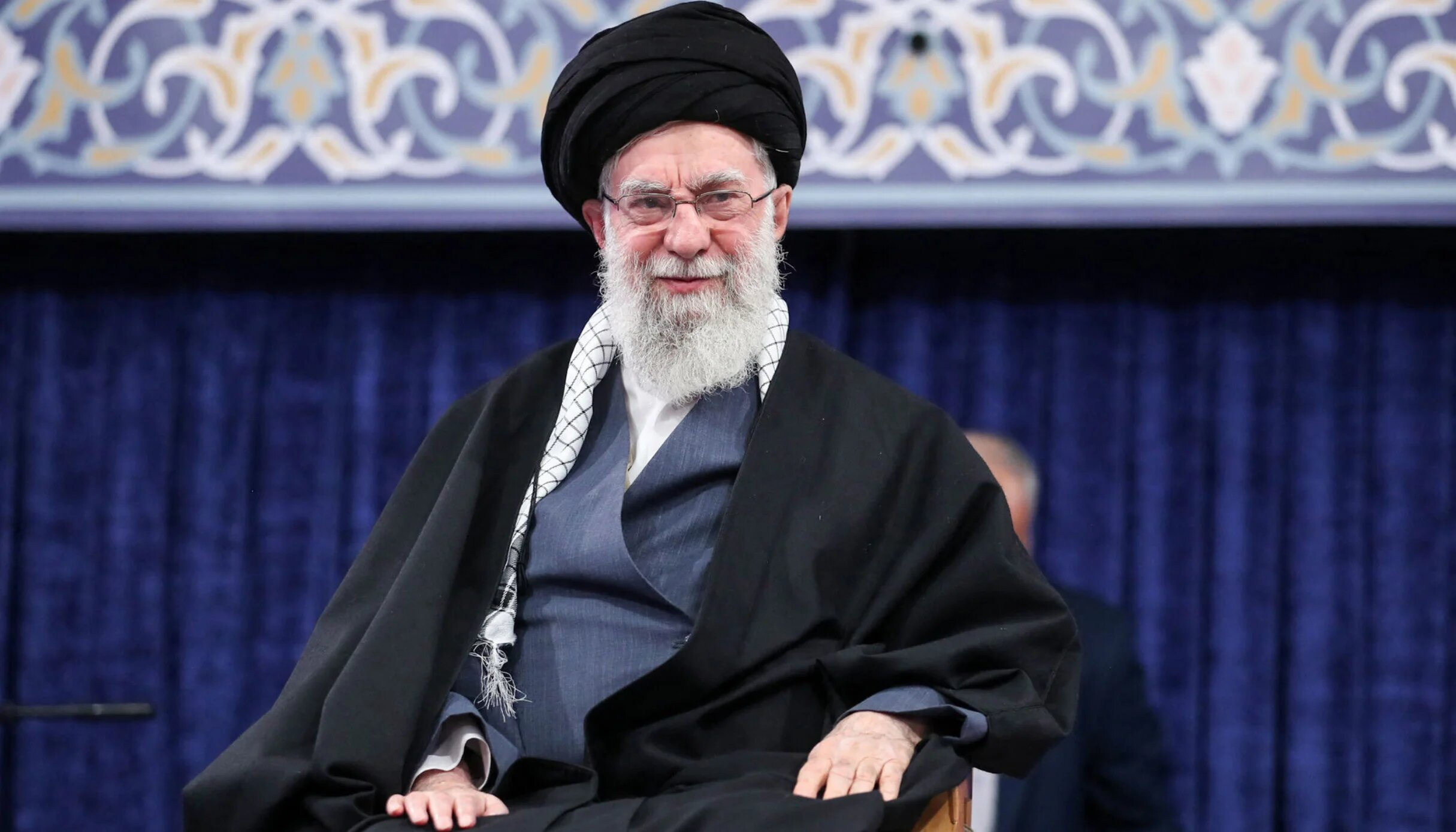
Background: Family, Education, and Early Life
Mojtaba Khamenei was born in 1969 in Tehran, making him in his mid-50s as of today. He is the second son of Ali Khamenei, who has served as Iran’s Supreme Leader since 1989 following the death of Ruhollah Khomeini.
Growing up in one of the most powerful families in Iran, Mojtaba’s life has been closely tied to the evolution of the Islamic Republic. However, unlike many political heirs in other systems, he has maintained a notably low public profile.
Religious Education and Clerical Status
Mojtaba studied in Iran’s religious seminaries, particularly in the city of Qom, which is central to Shia Islamic scholarship.
A key question often raised is:
Is Mojtaba Khamenei a mujtahid?
A mujtahid is a high-ranking Islamic scholar qualified to interpret religious law independently. While Mojtaba has undergone religious training, there is no widely recognized confirmation that he holds the rank of a fully qualified mujtahid. This distinction is critical because such credentials are traditionally expected for anyone assuming the role of Supreme Leader.
Power Without Title: Influence Behind the Scenes
Despite lacking a formal governmental position, Mojtaba Khamenei is widely believed to wield significant influence within Iran’s political structure.
Alleged Role in Political Networks
Analysts and observers often point to his connections with:
- The Islamic Revolutionary Guard Corps (IRGC)
- Conservative clerical networks
- Key political decision-makers
He has been linked—though not officially acknowledged—to involvement in strategic political decisions, particularly during sensitive periods such as elections and internal power struggles.
The Shadow Figure Narrative
Unlike public officials, Mojtaba rarely delivers speeches or appears in media. This has contributed to a perception of him as a “shadow operator”—someone who exercises influence indirectly rather than through visible leadership.
This ambiguity has intensified both domestic and international scrutiny.
Personal Life: Wife, Family, and Privacy
Mojtaba Khamenei Wife
Mojtaba Khamenei is married, though details about his wife are deliberately kept out of public discourse. This level of privacy is consistent with the broader approach of Iran’s leadership families, who often limit exposure of their personal lives.
Family Structure
As part of the Khamenei family, Mojtaba belongs to a lineage that blends religious authority with political power. However, unlike other political dynasties globally, public information about family members—including children—is extremely limited.
Public Visibility: Speeches and Media Presence
Mojtaba Khamenei Speech (خطاب مجتبى خامنئي)
Public speeches by Mojtaba are rare. When they do occur, they are typically delivered in religious or semi-private contexts rather than broadcast widely.
This limited communication strategy has two effects:
- It preserves his low-profile image.
- It prevents direct public scrutiny of his views and policies.
As a result, much of what is known about him is derived from indirect reporting and analysis rather than firsthand public statements.
Is Mojtaba Khamenei Alive?
Yes, Mojtaba Khamenei is alive. Despite periodic rumors or misinformation circulating online, there is no credible evidence suggesting otherwise.
Such queries often trend due to the broader secrecy surrounding his life and the lack of regular public appearances.
The Succession Question: Could Mojtaba Become Supreme Leader?
The Core Issue
The most significant question surrounding Mojtaba Khamenei is whether he could succeed his father, Ali Khamenei, as Iran’s next Supreme Leader.
Key Considerations
- Religious Qualifications
The Supreme Leader is traditionally expected to be a high-ranking cleric. Mojtaba’s unclear status as a mujtahid raises questions about eligibility. - Political Support
His alleged ties to powerful institutions like the IRGC could provide a strong support base. - Public Legitimacy
A dynastic transition—from father to son—would be unprecedented in the Islamic Republic and could face resistance. - Institutional Process
The Assembly of Experts is responsible for selecting the Supreme Leader. Their decision would ultimately determine the outcome.
Controversy and Public Perception
Concerns About Dynastic Power
Critics argue that elevating Mojtaba would contradict the ideological foundations of the Islamic Republic, which was established in opposition to hereditary monarchy.
Supporters’ Perspective
Supporters, particularly within conservative circles, may view him as:
- A stabilizing figure
- Someone familiar with the inner workings of power
- A continuity candidate in uncertain times
International Attention
Globally, Mojtaba Khamenei is often discussed in the context of:
- Iran’s long-term political stability
- Regional geopolitics
- The future direction of Iranian leadership
Broader Implications for Iran and Beyond
If Mojtaba Khamenei were to assume a more formal leadership role, the implications would be significant:
Political System Evolution
It could signal a shift toward a more centralized and potentially dynastic model of governance.
Regional Dynamics
Iran’s foreign policy—particularly in the Middle East—could either maintain continuity or undergo subtle changes depending on his leadership style.
Domestic Stability
Public reaction within Iran would be a key factor, especially among younger generations and reformist groups.
Conclusion: A Figure Defined by Ambiguity
Mojtaba Khamenei remains one of the most enigmatic figures in modern Iranian politics. His life is marked by contrasts:
- High influence vs. low visibility
- Religious training vs. uncertain clerical rank
- Central positioning vs. lack of formal title
As long as questions about succession remain unresolved, his name will continue to dominate discussions about Iran’s future.
Whether he ultimately steps into a formal leadership role or remains behind the scenes, Mojtaba Khamenei’s significance is unlikely to diminish.


