Ted Bundy: Inside the Mind and Myth of America’s Most Notorious Serial Killer
Introduction: A Case That Still Haunts America
Few criminal cases in modern history have left as deep and lasting an imprint as that of Ted Bundy. Decades after his execution in 1989, Bundy remains a central figure in discussions about criminal psychology, media sensationalism, and the nature of evil.
- Introduction: A Case That Still Haunts America
- The Making of Ted Bundy: Early Life and Hidden Turmoil
- A Calculated Predator: The Pattern Behind the Crimes
- The Investigation: A Turning Point in Criminal Profiling
- Arrest, Escape, and Recapture: A Criminal Who Defied Containment
- The Trial: Media Spectacle and Public Fascination
- Psychological Profile: Charm, Control, and Contradiction
- Execution and Final Confessions
- Cultural Impact: Why Ted Bundy Still Captures Attention
- Broader Implications: Lessons for Society and Law Enforcement
- Conclusion: A Legacy Beyond the Crimes
Unlike many violent offenders, Bundy defied public expectations. He was educated, articulate, and outwardly charismatic—traits that complicated both his pursuit by law enforcement and the public’s understanding of his crimes. His case reshaped investigative methods and continues to influence how society interprets criminal behavior.
This article examines Bundy not merely as a criminal, but as a cultural and psychological phenomenon—tracing his rise, crimes, capture, and enduring legacy.


The Making of Ted Bundy: Early Life and Hidden Turmoil
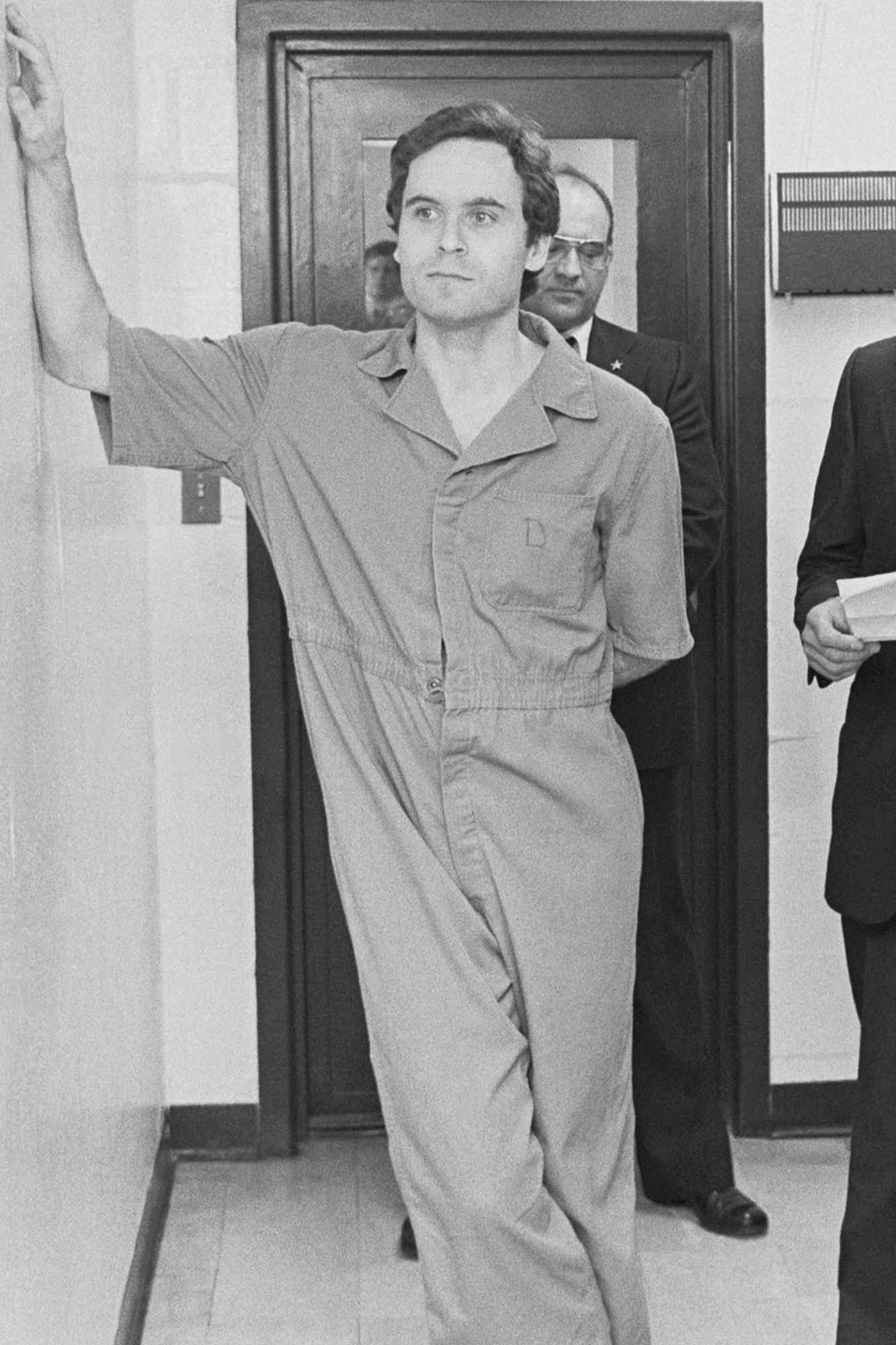
Born on November 24, 1946, in Burlington, Bundy’s early life was marked by instability and ambiguity. Raised believing his grandparents were his parents and his mother was his sister, his family background has often been cited as a potential factor in his psychological development.
He later moved to Tacoma, where he grew up appearing largely unremarkable. By adolescence, however, subtle warning signs emerged—voyeuristic behavior, fascination with violence, and a pattern of emotional detachment.


Despite these indicators, Bundy went on to attend university and even became involved in political campaigns. His ability to blend into society would later become one of his most dangerous traits.
A Calculated Predator: The Pattern Behind the Crimes
Bundy’s killing spree spanned multiple states during the 1970s, including Washington, Utah, Colorado, and Florida.
His victims were primarily young women—often college students—whom he targeted using deception rather than force. He frequently posed as injured or in need of assistance, exploiting social trust to lure victims into vulnerable situations.
Investigators later identified recurring elements in his method:


- Use of charm and manipulation rather than overt violence initially
- Selection of victims with similar physical traits
- Mobility across state lines to evade detection
- Escalation in frequency and brutality over time
Bundy eventually confessed to 30 murders, though the true number is widely believed to be higher.
The Investigation: A Turning Point in Criminal Profiling
At a time when coordinated national databases were limited, Bundy’s crimes exposed major gaps in law enforcement communication across jurisdictions.
Authorities began to notice patterns:
- Similar victim profiles across different states
- Witness reports of a man named “Ted”
- Descriptions of a Volkswagen Beetle linked to multiple disappearances
This case contributed to the growing importance of behavioral profiling, a field later formalized within organizations like the Federal Bureau of Investigation.
Bundy’s ability to evade capture for years demonstrated the necessity of centralized intelligence-sharing systems, which are now standard in modern investigations.
Arrest, Escape, and Recapture: A Criminal Who Defied Containment
Bundy was first arrested in 1975 in Utah, but his story did not follow a typical path. In a highly unusual sequence of events, he escaped custody twice in 1977 while in Colorado—once by jumping from a courthouse window, and again by escaping from jail.
His second escape proved especially consequential. He fled to Florida, where he committed some of his most brutal crimes, including attacks at the Florida State University Chi Omega House.
These incidents intensified national attention and accelerated efforts to apprehend him.
Bundy was finally arrested again in Florida in 1978, bringing an end to one of the most extensive manhunts of the decade.
The Trial: Media Spectacle and Public Fascination
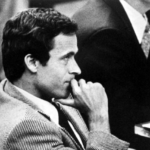
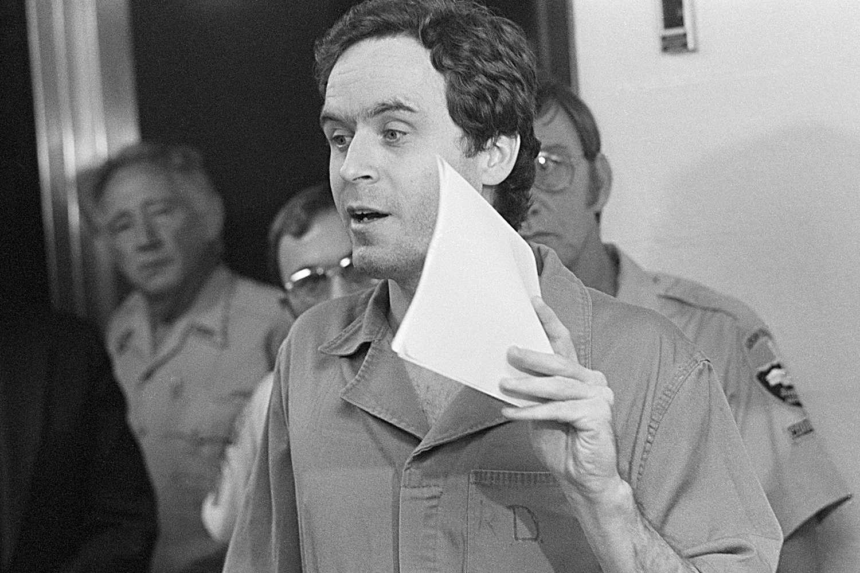
Bundy’s trial in Florida became one of the first to be nationally televised, transforming a criminal proceeding into a media event.
He chose to represent himself at times, leveraging his intelligence and legal knowledge to challenge witnesses and control courtroom dynamics. His demeanor—calm, articulate, and often composed—stood in stark contrast to the gravity of his crimes.
The trial highlighted several key dynamics:
- The growing intersection between crime and media
- Public fascination with charismatic offenders
- Ethical concerns about sensationalizing violence
Ultimately, Bundy was convicted and sentenced to death.
Psychological Profile: Charm, Control, and Contradiction
Bundy’s case is frequently studied within Forensic Psychology due to its complexity.
He exhibited traits commonly associated with psychopathy:
- Lack of empathy
- Superficial charm
- Manipulative behavior
- Grandiose sense of self
What distinguished Bundy was his ability to maintain a façade of normalcy. He was not an isolated outlier but someone who functioned within society—holding jobs, forming relationships, and engaging in everyday interactions.
This duality remains central to his enduring notoriety.
Execution and Final Confessions
After years of appeals, Bundy was executed on January 24, 1989, at Florida State Prison.
In the hours leading up to his execution, he gave interviews and partial confessions, attempting to provide insight into his crimes. Some of these statements focused on external influences, including violent media, though many experts view these claims critically.
His execution marked the end of his life—but not the end of public interest in his case.
Cultural Impact: Why Ted Bundy Still Captures Attention
Bundy’s story has been revisited in documentaries, books, and films, including Extremely Wicked, Shockingly Evil and Vile.
Several factors contribute to his lasting relevance:
- The contrast between his appearance and his crimes
- The scale and geographic spread of his killings
- His interaction with media and the legal system
- Ongoing debates about criminal psychology
His case has also prompted deeper discussions about victim awareness, investigative practices, and the ethical responsibilities of media coverage.
Broader Implications: Lessons for Society and Law Enforcement
The Bundy case had measurable impacts on criminal justice systems:
- Improved coordination between states
- Expansion of criminal databases
- Advancement of behavioral profiling techniques
- Increased public awareness about personal safety
It also exposed vulnerabilities in how trust operates within society—particularly how easily it can be exploited.
Conclusion: A Legacy Beyond the Crimes
Ted Bundy remains one of the most studied and debated figures in criminal history. His case transcends the details of individual crimes, raising fundamental questions about human behavior, justice, and societal perception.
While his actions caused irreversible harm, the lessons drawn from his case have contributed to advancements in law enforcement and criminal psychology. The challenge moving forward lies in maintaining focus on victims and prevention—rather than allowing notoriety to overshadow accountability.